Flooding in Southern Africa is exacerbating the rise of superbugs, posing a significant threat to public health and economic stability. As climate change continues to intensify weather patterns, the region faces a dual crisis that could derail development goals and hinder progress towards sustainable growth.
Flooding Developments and Public Health Risks
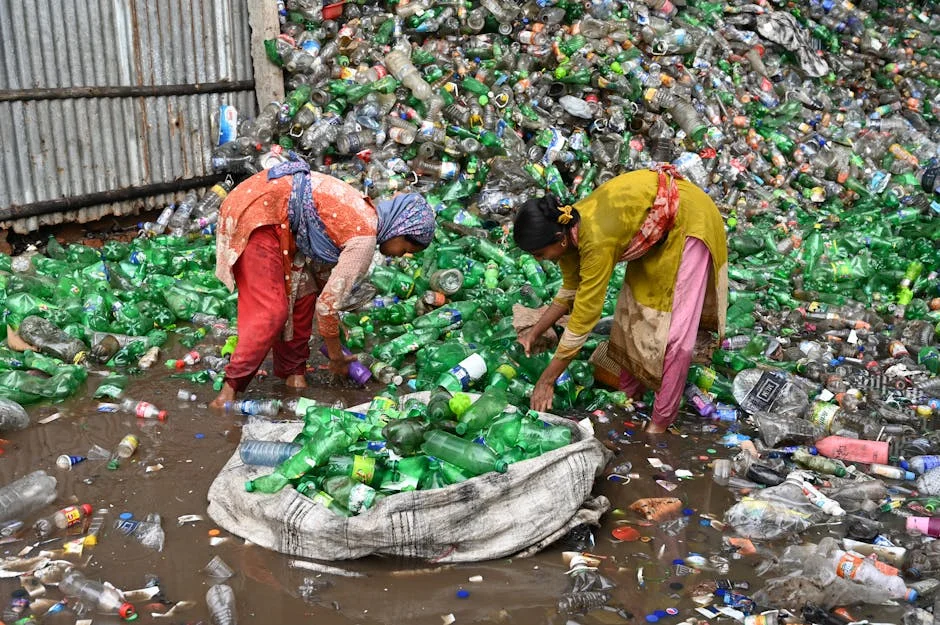
Recent flooding in several Southern African countries has led to an alarming rise in antibiotic-resistant bacteria, often referred to as superbugs. These bacteria thrive in unsanitary conditions, which floodwaters can create by contaminating drinking water and overwhelming sanitation systems. Reports indicate that since heavy rains began in early October 2023, hospitals in affected areas have seen a 30% increase in infections related to superbugs.
Understanding the Link: Climate Change and Superbugs
Climate change is widely acknowledged as a catalyst for extreme weather events, including the floods currently ravaging parts of South Africa. The World Health Organization (WHO) has warned that such conditions can lead to increased transmission of infectious diseases, particularly in vulnerable populations without adequate healthcare access. By disrupting regular healthcare services, flooding hampers disease prevention efforts and exacerbates the superbug crisis.
Impact on African Development Goals

The rise of superbugs directly undermines the African Union's Agenda 2063, which aims to achieve universal health coverage and ensure healthy lives for all citizens. According to a report from the Africa Centres for Disease Control and Prevention, the ongoing health crisis could set back progress on health-related Sustainable Development Goals (SDGs) by several years, especially in nations already grappling with resource constraints.
Economic Consequences of Flooding and Health Crisis
The economic implications of this dual crisis are profound. As healthcare systems become overwhelmed, productivity declines, and the workforce faces increased illness, the economic growth of affected countries could stall. With agricultural output threatened by both flooding and rising health issues, food security becomes another pressing concern. The potential for widespread crop failure could lead to food shortages and increased prices, further straining already vulnerable populations.
Opportunities for Resilience and Recovery
Despite these challenges, there are opportunities for resilience and recovery. Governments and international organisations are being urged to invest in sustainable infrastructure that can withstand climate-related disasters. Strengthening healthcare systems to combat antibiotic resistance and improve sanitation can also be a priority. Innovative approaches to public health education are essential to mitigate the effects of flooding on disease transmission.
In conclusion, the intersection of flooding and the rise of superbugs in Southern Africa highlights urgent health and economic challenges that must be addressed. As nations strive to meet their development goals, collaborative efforts focusing on sustainable solutions will be crucial to overcoming these crises.