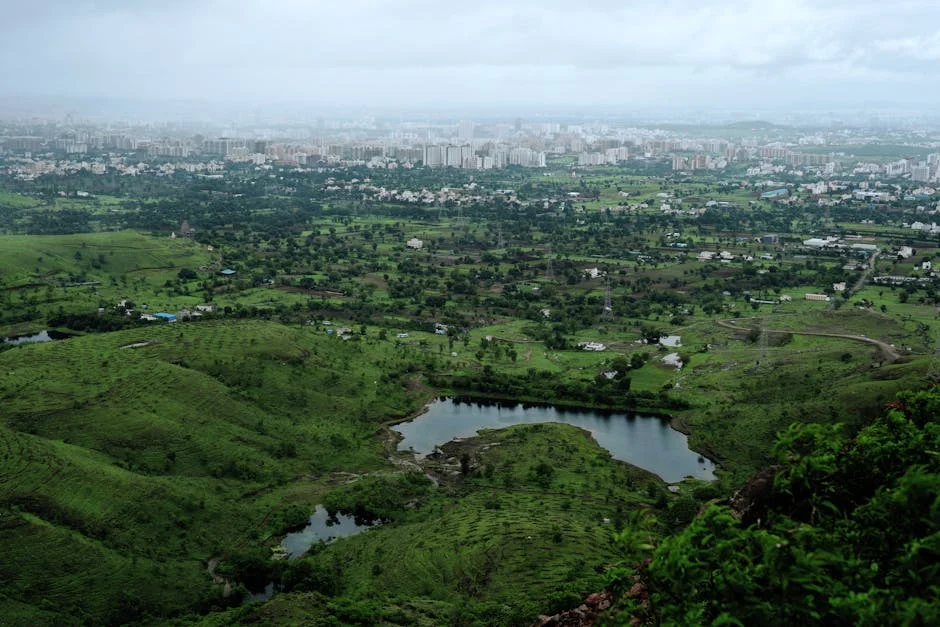
Despite the looming threats posed by climate change, South Africa is ramping up its climate adaptation strategies to safeguard its ecosystems and communities. The country, recognized for its diverse landscapes and rich biodiversity, is facing extreme weather events that are increasingly becoming the norm. According to the South African Weather Service, average temperatures in the country have risen by 1.5 degrees Celsius since the early 20th century, significantly impacting agriculture, water supply, and public health.
Government Initiatives and Responsibilities
The South African government has been proactive in addressing climate adaptation through the National Climate Change Adaptation Strategy, launched in 2020. The strategy outlines comprehensive measures focusing on various sectors such as water resources, agriculture, and urban planning. Minister of Forestry, Fisheries and the Environment, Barbara Creecy, emphasized the importance of community involvement in these initiatives. "We must ensure that adaptation efforts are locally driven and address the specific needs of vulnerable populations," she stated during a recent press briefing.
Collaborations with Local Governments and NGOs
Local governments are increasingly collaborating with non-governmental organizations (NGOs) to implement grassroots climate adaptation projects. One such initiative is spearheaded by the Environmental Monitoring Group (EMG), which focuses on improving water management in drought-prone areas like the Eastern Cape. EMG's director, Margo Pacheco, mentioned, "Our projects aim to enhance community resilience by providing training on water conservation techniques and sustainable agricultural practices. We have already seen a positive response from farmers who are implementing these strategies to cope with water scarcity."
Investments in Research and Development
In addition to grassroots efforts, South Africa is also investing in research and innovation to combat climate risks. The Council for Scientific and Industrial Research (CSIR) has been working on developing climate-resilient crop varieties that can withstand extreme weather conditions. Dr. Dhesigen Naidoo, CEO of CSIR, noted, "Our research aims to ensure food security in the face of climate change. By developing drought-resistant crops, we can help farmers maintain their livelihoods while adapting to changing environmental conditions."
Economic Implications of Climate Adaptation
The economic implications of climate adaptation are profound. According to a report by the World Bank, South Africa could face economic losses of up to $28 billion annually by 2050 if it fails to adapt to climate change. This underscores the urgency for both public and private sectors to invest in sustainable practices. The Department of Environment, Forestry and Fisheries (DEFF) is currently in discussions with various stakeholders, including industry leaders, to develop incentives for businesses to adopt environmentally friendly practices.
Community Engagement and Public Awareness


Building public awareness about climate issues is also critical in South Africa. The South African National Biodiversity Institute (SANBI) has initiated campaigns to educate citizens about biodiversity and the importance of conservation. SANBI's spokesperson, Tshidi Maake, highlighted the need for collective action: "People need to understand that climate change affects us all. By engaging communities, we can build a more climate-resilient society."
Future Prospects and Challenges
As South Africa continues to navigate the complexities of climate adaptation, it faces several challenges, including limited funding and differing priorities among provinces. The Western Cape, for instance, has been heavily impacted by water shortages, while KwaZulu-Natal grapples with flood risks. The disparities in climate vulnerabilities call for a synchronized national response that balances local needs with broader environmental goals.
Conclusion
In conclusion, while South Africa's climate adaptation strategies are gaining momentum, the path ahead is fraught with challenges. The collaboration between government bodies, NGOs, and communities is essential for creating a resilient future. As Minister Creecy aptly put it, "Only through collective action can we hope to mitigate the impacts of climate change and protect our natural heritage for future generations." As the country looks towards 2030 and beyond, strategic investments and inclusive policies will be crucial in addressing the climate crisis that threatens the very fabric of South African society.