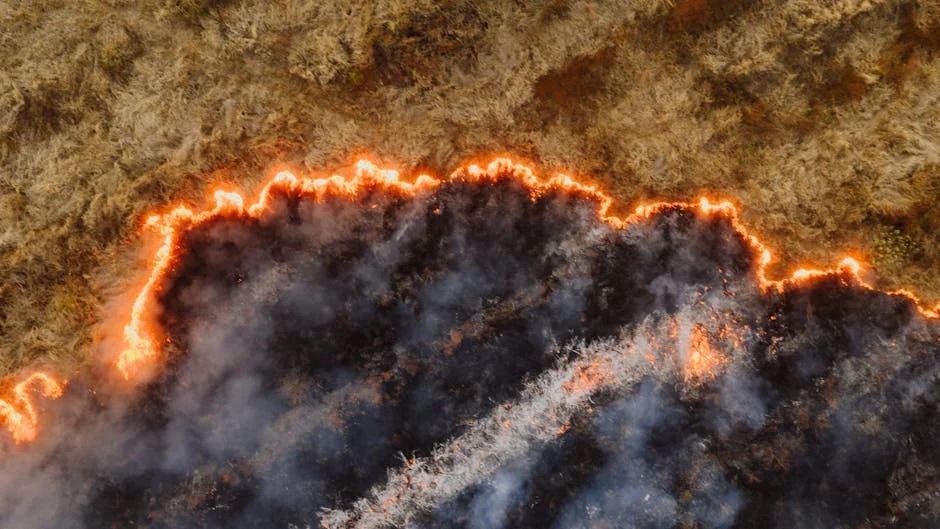
Drought conditions in South Africa have escalated to critical levels, prompting urgent calls from government officials for water conservation measures nationwide. According to the South African Weather Service (SAWS), the country is experiencing its driest conditions in over a decade, with rainfall in parts of the Western Cape plummeting by more than 50% compared to the historical average.
Impact on Agriculture and Water Supply
The ongoing drought has had profound implications for the agricultural sector, which contributes significantly to South Africa's economy. In a recent statement, Thoko Didiza, the Minister of Agriculture, Land Reform and Rural Development, noted that farmers across the country are facing devastating losses. “The drought has severely affected crop yields, with some regions reporting losses of up to 60%,” Didiza stated, highlighting the urgent need for farmers to adapt to changing climatic conditions.
According to the Department of Water and Sanitation, the average dam levels in the Western Cape have dropped to approximately 32% of capacity, with some dams in the region falling to alarming lows. “This drought is a wake-up call for all South Africans,” said Senzo Mchunu, Minister of Water and Sanitation. “We need collective action to manage our water resources effectively.”
Government Response and Initiatives
In response to the crisis, the South African government has implemented several initiatives aimed at promoting water conservation and sustainable management. The National Drought Disaster Fund has been activated, allowing for financial assistance to affected farmers and communities. Additionally, the government is increasing investment in water infrastructure to improve supply and reduce waste.
Dr. Anthony Turton, an environmental scientist at the University of the Free State, emphasized the importance of long-term solutions. “We must invest in water recycling and desalination technology to ensure that we can cope with future droughts,” he stated, suggesting that South Africa's reliance on traditional water sources may not be sustainable in the face of climate change.
Societal Implications
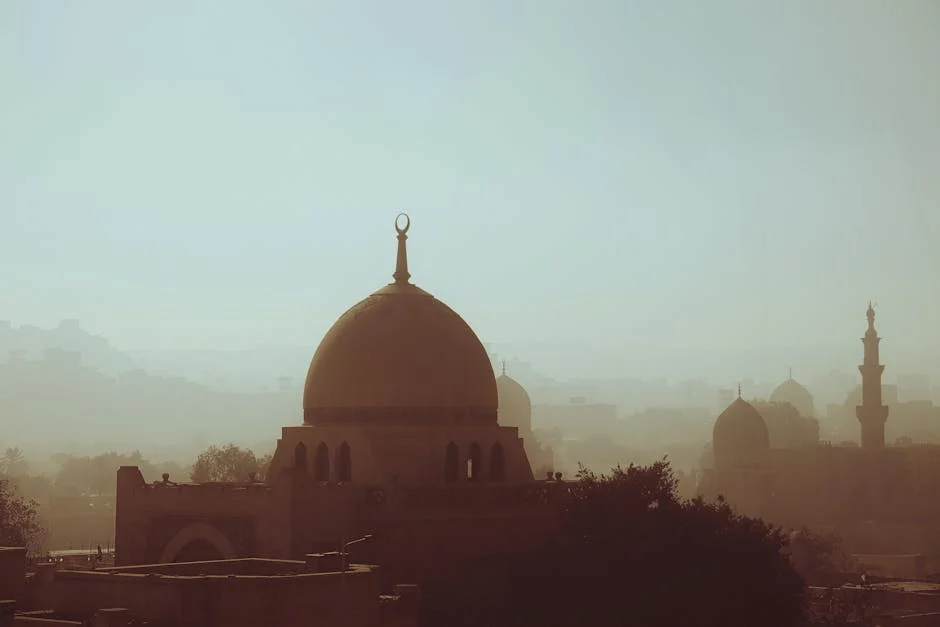
The drought's implications extend beyond agriculture; it is also affecting urban centres. Cape Town, which famously faced a severe water crisis in 2018, is again experiencing low water levels. The city's mayor, Geordin Hill-Lewis, has urged residents to conserve water, stating, “Every drop counts. We must learn from our past and be proactive in our water usage.”
Public awareness campaigns have been launched to encourage South Africans to adopt water-saving practices at home. These include reducing shower times, fixing leaks, and using water-efficient appliances. The Department of Environmental Affairs has also partnered with non-governmental organizations to promote community-based water conservation projects.
Looking Ahead
While the current drought is severe, experts warn that it may not be the last. Climate models predict an increase in both the frequency and intensity of droughts across southern Africa. As a result, the South African government is urged to prioritize water management as a critical component of its climate change strategy.
“Our approach to water needs to be holistic and sustainable,” said Dr. Morné du Plessis, chief executive officer of WWF South Africa. “We need to focus on integrating water management into all sectors of our economy.”
Conclusion
As South Africa grapples with the challenges posed by the current drought, the need for swift action and collaboration among government, businesses, and citizens is more critical than ever. With proper management and investment in water resources, the country can mitigate the impacts of this drought and build resilience against future climate challenges.