Prospectors have descended upon West Pokot county in western Kenya, driven by the hope that a single gram of gold can alter their economic fate. The migration accelerated after a local goat herder sold a rough gold nugget for just $200, revealing that high-value deposits exist in accessible alluvial soils. This discovery has transformed a remote, arid region into a bustling hub of informal mining activity, drawing thousands of seekers from across the county and neighbouring borders.
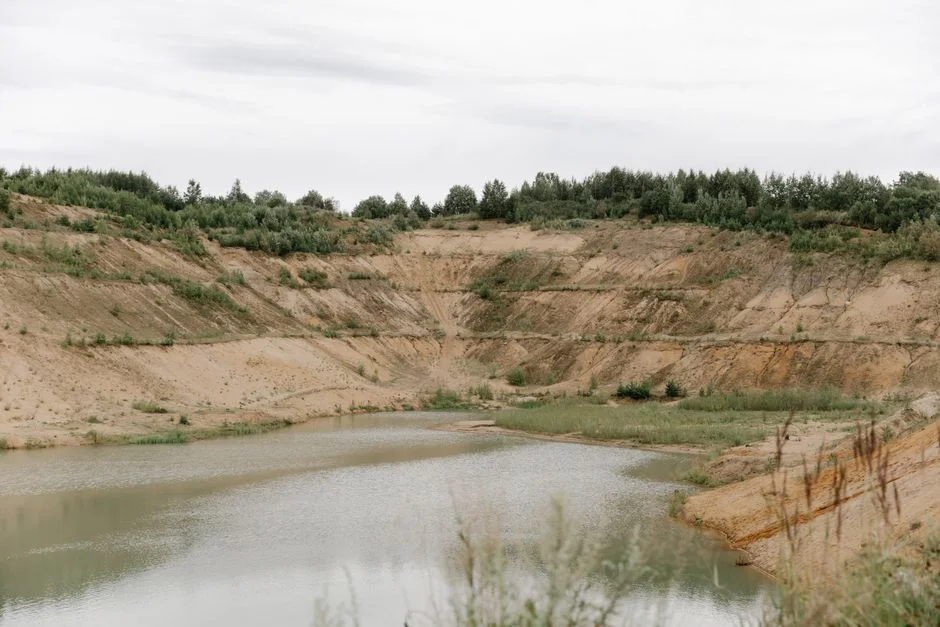
The scene in West Pokot is now defined by makeshift camps, makeshift sluice boxes, and the constant hum of small-scale machinery. Thousands of individuals, ranging from unemployed youth to experienced artisanal miners, have set up temporary residences near known riverbeds and dry washes. They arrive daily with little more than basic tools and the promise of a life-changing find, mirroring historical gold rushes but operating with modern social media coordination.
This sudden influx of labour is reshaping the local economy in real-time. Local businesses report a surge in demand for food, fuel, and basic supplies, while landowners are beginning to charge fees for access to their plots. The Kenyan government has yet to implement a cohesive strategy to manage this surge, leaving the situation largely to market forces and local community dynamics. The lack of formal regulation means that disputes over claim boundaries and safety standards are becoming common occurrences.
Immediate Facts and the Mechanics of the Rush
The catalyst for this movement was the sale of a rough nugget by a goat herder for $200. While the sum might seem modest to international investors, it was substantial for a local herder and served as immediate proof that gold was present in surface-level deposits. This news spread rapidly through word of mouth and social media platforms, prompting a wave of migration that has overwhelmed the region's limited infrastructure. The herder's find confirmed long-held suspicions among local communities that the geological formations in West Pokot contained viable gold reserves.
West Pokot is located in Kenya's Rift Valley, an area known for its rich mineral deposits. The region has historically been semi-arid, with agriculture being the primary source of livelihood for its residents. However, recurring droughts and land degradation have made farming increasingly unpredictable. The discovery of gold offers an alternative income source, but it also brings new challenges. The influx of prospectors has put pressure on water resources, which are already scarce in the region. Miners use large volumes of water to separate gold from sediment, leading to conflicts with local farmers who rely on the same water sources for their livestock and crops.
The prospectors themselves are a diverse group. Many are young men from nearby towns, while others are experienced artisanal miners who have worked in goldfields across East Africa. They operate on a shoestring budget, often pooling resources to buy basic equipment like pans, shovels, and mercury for amalgamation. The process is labour-intensive and often dangerous, with many miners working long hours in harsh conditions without proper safety gear. The lack of formal employment contracts means that many workers are vulnerable to exploitation by local landowners or middlemen who buy their finds at below-market prices.
Local landowners have become key players in this new economy. Some have welcomed the prospectors, offering access to their land in exchange for a percentage of the gold found. Others have begun to fence off their plots, restricting access and charging entry fees. This shift has created a new layer of economic hierarchy in West Pokot, where land ownership translates directly into wealth. The informal nature of these agreements means that disputes are common, and there is no formal legal framework to resolve conflicts between landowners and miners.
The Kenyan government's response has been cautious and somewhat fragmented. The Ministry of Mining has acknowledged the surge in activity but has not yet announced a comprehensive plan to regulate the sector. Local county officials have begun to collect fees from miners and landowners, but the revenue is not being used to improve infrastructure or provide services. The lack of a clear regulatory framework means that the gold rush remains largely informal, with all the risks and rewards that entails. This situation is reminiscent of past gold rushes in Africa, where informal mining boomed before the state stepped in to impose regulations and taxes.
Background and the Broader Economic Context
West Pokot has long been considered a region with untapped mineral potential. Geological surveys conducted over the past few decades have identified gold, copper, and other minerals in the area. However, these resources remained largely unexploited due to a lack of investment and infrastructure. The region is remote, with poor road networks and limited access to electricity. The recent discovery has changed this dynamic, attracting not only individual prospectors but also small-scale mining companies looking to capitalize on the newly revealed resources.
The economic context of West Pokot is crucial to understanding the scale of the current migration. The region has one of the highest poverty rates in Kenya, with a significant portion of the population relying on subsistence agriculture. Unemployment is high, particularly among young men who have limited opportunities for formal employment. The gold rush offers a way out of poverty for many, but it is not without risks. Many miners invest their savings in equipment and travel costs, hoping to strike it rich. However, the majority do not find significant quantities of gold, and many return to their villages with little more than they started with.
The social impact of the gold rush is already being felt. The influx of outsiders has led to cultural exchanges but also to tensions. Local communities have had to adapt to the presence of thousands of transient workers, many of whom speak different languages and have different customs. The rise in population has put pressure on local services, including healthcare and education. Clinics are reporting an increase in cases of respiratory diseases and injuries related to mining activities. Schools are struggling to cope with the influx of children from migrant families, many of whom have been pulled out of school to help their parents mine.
The environmental impact is another critical concern. Artisanal mining often involves the use of mercury to extract gold, which can contaminate water sources and soil. In West Pokot, there is no formal monitoring of mercury use, meaning that contamination levels could be rising without detection. The deforestation required to clear land for mining camps and sluice boxes is also altering the local landscape. These environmental changes could have long-term consequences for the region's agriculture and livestock, which are the traditional livelihoods of the local population.
The Kenyan government's approach to artisanal mining has historically been inconsistent. In the past, the state has oscillated between encouraging small-scale mining to boost employment and imposing strict regulations to protect the environment and formal mining interests. The current situation in West Pokot is testing this policy framework. The government must decide whether to formalize the sector, imposing taxes and regulations, or to leave it to market forces. Each option has its pros and cons. Formalization could provide stability and revenue but might also stifle the informal economy that has driven the current boom. Leaving it informal could lead to chaos and environmental degradation but allows for greater flexibility and opportunity for local communities.
Implications for South Africa and Regional Dynamics
The developments in West Pokot are not isolated to Kenya. They have implications for the broader East African region, including South Africa. The gold rush in West Pokot is part of a wider trend of informal mining activity across Africa, driven by high global gold prices and economic uncertainty. This trend is likely to continue, with more regions experiencing similar surges in prospecting activity. For South Africa, this means increased competition for skilled labour and investment in the mining sector. South African mining companies may find it harder to recruit experienced workers if the informal sector offers higher returns in the short term.
The movement of labour between Kenya and South Africa is also a factor. Many South African miners have worked in Kenya in the past, and the current boom may attract them back. This could have implications for the South African mining industry, which has been struggling with high costs and low production levels. An influx of experienced Kenyan miners could help boost production in South Africa, but it could also lead to wage pressures and labour disputes. The South African government will need to monitor this trend closely and adjust its immigration and labour policies accordingly.
The environmental impact of the West Pokot gold rush could also have regional consequences. If mercury contamination spreads to cross-border water sources, it could affect communities in Uganda and South Sudan. The Kenyan government will need to coordinate with its neighbours to manage the environmental risks. This could lead to new regional agreements on mining and environmental protection, which could serve as a model for other parts of Africa. The success or failure of Kenya's approach to managing the gold rush could influence how other countries handle similar situations.
The economic implications for South Africa are also significant. A stable and regulated mining sector in Kenya could attract more foreign investment to the region, boosting economic growth and stability. This could have positive spillover effects for South Africa, as a stronger regional economy would increase demand for South African goods and services. Conversely, if the gold rush leads to social unrest or environmental degradation in Kenya, it could destabilize the region and negatively impact South African trade and investment. The Kenyan government's ability to manage the gold rush will therefore be a key indicator of regional stability.
The role of technology in the West Pokot gold rush is also worth noting. Social media has played a crucial role in spreading news of the discovery and coordinating the migration of prospectors. This digital dimension is changing the nature of informal mining, making it more visible and accessible. It is also making it harder for the government to control the flow of people and resources. The use of mobile money has facilitated transactions between miners and middlemen, creating a more formalized informal economy. This trend is likely to continue, with more regions in Africa experiencing similar digital transformations in their mining sectors.
What to Watch Next
The Kenyan government is expected to announce a new regulatory framework for artisanal mining in the coming months. This framework will likely include new taxes, licensing requirements, and environmental standards. The specifics of these regulations will determine whether the gold rush in West Pokot becomes a sustainable economic activity or a chaotic boom-and-bust cycle. Investors and prospectors will be watching closely to see how the government balances regulation with opportunity. The outcome of this policy decision will have implications for the entire East African region.
The environmental impact of the gold rush will also be a key focus in the coming months. Local NGOs and international organizations are likely to conduct surveys to assess the level of mercury contamination and deforestation. These findings could lead to calls for stricter environmental regulations or even a suspension of mining activities in certain areas. The results of these surveys will be crucial in determining the long-term sustainability of the gold rush in West Pokot. Communities will be watching to see whether their health and environment are being protected or sacrificed for short-term gain.
The social dynamics of the region will continue to evolve as the gold rush matures. The initial excitement is likely to give way to a more structured economy, with established mining camps and formalized land rights. This transition will be driven by market forces but could also be influenced by government intervention. The ability of local communities to benefit from the gold rush will depend on how effectively they can negotiate with landowners, middlemen, and the state. The outcome of these negotiations will determine whether the gold rush leads to lasting development or merely a temporary boom.
For South African readers, the West Pokot gold rush is a reminder of the potential opportunities and risks in Africa's informal economy. It highlights the importance of infrastructure, regulation, and environmental management in ensuring that resource booms lead to sustainable development. The developments in Kenya could serve as a case study for other African countries facing similar challenges. The world will be watching to see whether Kenya can turn its gold rush into a lasting economic advantage or whether it will succumb to the typical pitfalls of informal mining. The next few months will be critical in determining the trajectory of this emerging sector.
See Also


- Nigeria Telecoms Blow N2.1tn on Upgrades — Then 245 Outages Hit in May
- Madlanga Commission Uncovers Gifting Scandal — South Africa's Police Under Scrutiny
The South African government will need to monitor this trend closely and adjust its immigration and labour policies accordingly.The environmental impact of the West Pokot gold rush could also have regional consequences. The Kenyan government's ability to manage the gold rush will therefore be a key indicator of regional stability.The role of technology in the West Pokot gold rush is also worth noting.