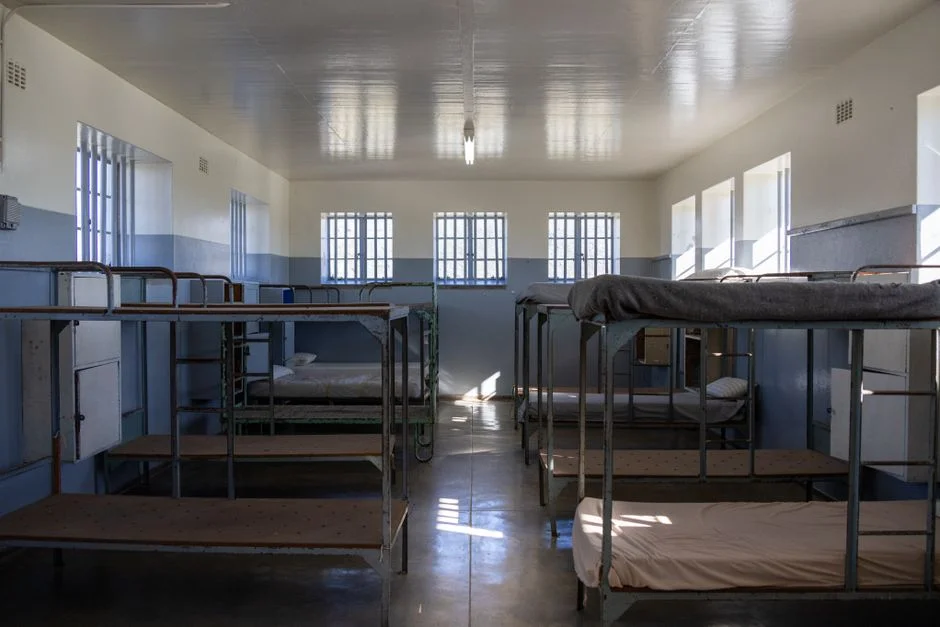
Education stakeholders across Ebonyi State have come out firmly against a proposed reversal of the 6-3-3-4 education system, warning of widespread disruption to schools, teachers, and students if the change moves forward. The rejection, coordinated through local education bodies and parent associations, signals strong resistance to any policy shift that could destabilise an already fragile education sector in Nigeria's southeastern region. Officials have yet to confirm an official timeline for when the government might present its formal proposal.
What the 6-3-3-4 System Means in Practice
The 6-3-3-4 structure, which Nigerian authorities adopted decades ago, organises education into six years of primary school, three years of junior secondary education, three years of senior secondary education, and four years of university-level study. This framework has governed how schools operate, how curricula are structured, and how students progress through Nigeria's public education system. Any reversal would require rewriting textbooks, retraining thousands of teachers, and reconfiguring examination systems that currently align with the existing structure.

Local school administrators in Abakaliki, the state capital, say the practical implications are enormous. A wholesale reversal would leave entire cohorts of students in limbo, particularly those midway through secondary education who have already sat for examinations under the current framework. Education ministry officials at the state level have faced mounting pressure to clarify exactly what a reversed system would look like and how the transition would work.
Stakeholder Rejection Gathers Momentum
Teachers' unions, school administrators, and parent-teacher associations in Ebonyi have each issued statements rejecting the proposed change. The Ebonyi State Chapter of the Nigeria Union of Teachers described the reversal as ill-timed and potentially catastrophic for learning outcomes in a state where school attendance rates already lag behind national averages. Parents' groups have raised concerns about additional costs that any curriculum overhaul would impose on families already struggling with rising school fees.
Private school operators, who represent a significant portion of Ebonyi's education sector, have also voiced opposition. Many private institutions have built their programmes around the current 6-3-3-4 framework, investing in facilities and staff aligned to its structure. A sudden reversal would force these operators to absorb substantial reconfiguration costs, with few resources available to cushion the transition. The proposed change, if implemented, would create immediate uncertainty for investors in private education ventures across the state.
Economic Implications for the Education Sector


The rejection arrives at a time when investors have shown growing interest in Nigeria's education sector, particularly in states with expanding populations and increasing demand for quality schooling. A stable policy environment typically attracts capital expenditure from school operators, curriculum providers, and education technology companies. Frequent or unpredictable shifts in educational frameworks, by contrast, increase risk for anyone considering long-term investments in school infrastructure or digital learning platforms.
Education economists note that policy reversals in schooling often carry hidden costs that extend beyond the classroom. Textbook publishers, examination bodies, and teacher training institutions would all need to recalibrate operations at considerable expense. For a state like Ebonyi, where education spending represents a significant portion of the annual budget, the fiscal burden of implementing any reversal could divert funds from other priority areas such as infrastructure or healthcare. Markets that supply school materials, furniture, and technology would also face demand shocks as entire supply chains realign to new requirements.
What Comes Next
The Ebonyi State Government has not announced a formal date for presenting its proposal to the state legislature. Education stakeholders say they are preparing to present formal objections through existing channels, including community hearings and submissions to the state education ministry. Observers will be watching to see whether the state administration presses ahead with the reversal despite widespread opposition or opts to shelve the proposal in response to pressure from parents and educators.
For investors and businesses with exposure to Nigeria's education sector, the Ebonyi situation offers a reminder of how local policy dynamics can disrupt national market assumptions. The outcome of this dispute could set a precedent for how other states handle similar reform proposals. Markets that supply educational goods and services should monitor developments closely, particularly if the proposal gains traction and spreads to neighbouring states in the southeast region.
See Also
- Bengal Election Battle Heats Up as 44 Seats Turn Critical
- Zimbabwe Condemns Russia Over 15 Nationals Killed in Conflict
For a state like Ebonyi, where education spending represents a significant portion of the annual budget, the fiscal burden of implementing any reversal could divert funds from other priority areas such as infrastructure or healthcare. See AlsoBengal Election Battle Heats Up as 44 Seats Turn CriticalZimbabwe Condemns Russia Over 15 Nationals Killed in Conflict