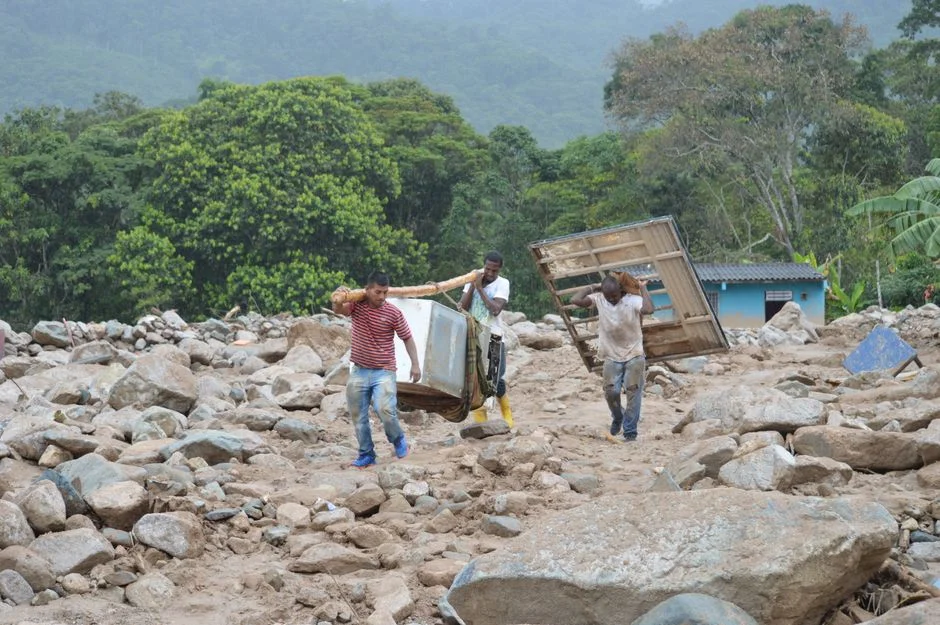
Cyril Ramaphosa called on African nations to act decisively on health security after fresh Ebola outbreaks demonstrated persistent vulnerabilities in the continent's medical infrastructure. The remarks, delivered at a continental health summit, placed economic resilience firmly alongside public health as a priority for governments across the region. Officials attending the summit in Addis Ababa acknowledged that previous outbreaks had cost economies billions in lost productivity, disrupted supply chains, and deterred foreign investment.
Fresh Outbreaks Reshape the Conversation
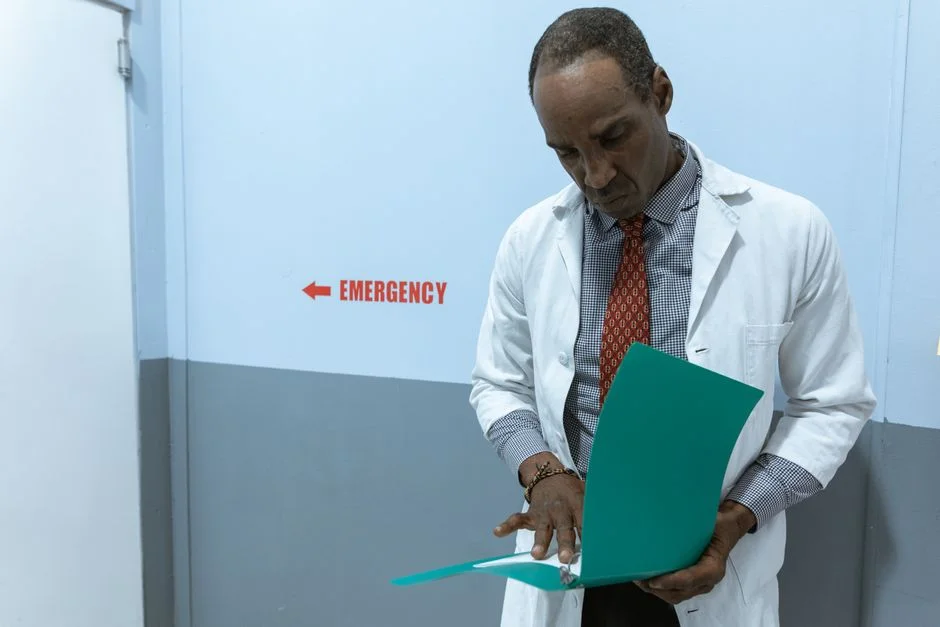
Health authorities confirmed active transmission in the Democratic Republic of Congo, with cases traced to Mongbwalu in Ituri province. The General Referral Hospital in the area has been designated as the primary treatment centre, straining resources already stretched thin by years of underinvestment. Unlike earlier outbreaks that drew massive international intervention, this flare-up has prompted calls for self-sufficient African responses. Regional governments now face pressure to demonstrate they can contain transmission without waiting for foreign medical teams.
The Economic Case for Health Investment
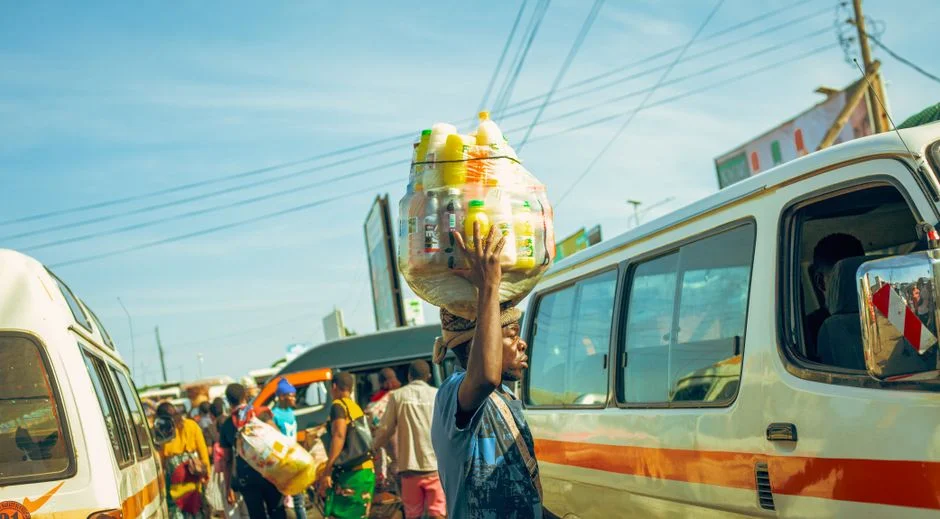
Ramaphosa framed health security as an economic imperative rather than a charitable concern. His office released figures estimating that the 2014 West African Ebola epidemic shaved percentage points off growth in affected nations while deterring airline routes, mining operations, and cross-border trade for months. Businesses with operations across the continent have quietly revised their risk assessments, with several multinational corporations imposing travel restrictions to outbreak zones. The financial sector has taken note: insurers now price coverage for epidemic-related business interruption differently than they did a decade ago.
Investment Implications for Healthcare Firms
Pharmaceutical companies with African manufacturing ambitions view health infrastructure gaps as both a challenge and an opportunity. Firms capable of supplying vaccines, protective equipment, and diagnostic kits stand to benefit from increased government spending. Local pharmaceutical manufacturers in Kenya, South Africa, and Nigeria could gain competitive advantages if continental procurement rules favour regional suppliers. The African Union has signalled interest in coordinating bulk purchasing agreements, a policy shift that would reshape supply chains worth billions annually.
Trade and Tourism Face Indirect Pressure

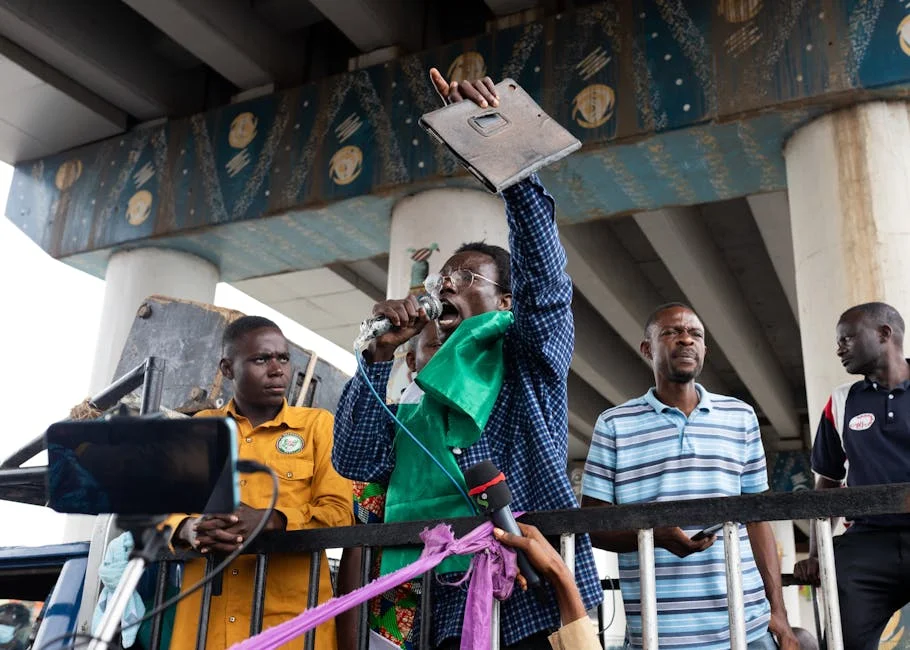
Border closures and quarantine protocols during health emergencies create immediate friction for commerce. Transport operators report that drivers crossing affected regions face delays that add costs to perishable goods. The African Continental Free Trade Area, operational since 2021, assumes frictionless movement of goods and services—assumptions that epidemics routinely violate. Tourism-dependent economies in East and Central Africa watch closely whenever outbreaks make headlines in source markets. Cancelled bookings and travel advisories ripple through hotel chains, airlines, and informal traders alike.
What Comes Next for Continental Coordination
The African Union has proposed a standing health emergency fund that member states would contribute to based on economic size. Ramaphosa endorsed the concept, suggesting it could deploy resources within days rather than waiting for donor negotiations. A final framework is expected to go before heads of state within six months. Whether nations will commit actual money rather than rhetorical support remains the central question. Several finance ministries have already pushed back against binding contributions, citing competing demands from debt servicing and infrastructure spending.
Watch for the upcoming African Union special summit on health financing, scheduled for the second quarter of the year. That gathering will determine whether Ramaphosa's calls translate into binding commitments or remain aspirational language. For investors with African exposure, the outcome will signal whether the continent can manage its own health crises or will remain dependent on expensive external interventions that arrive too late.
See Also
- Hospital São Francisco Xavier Exposes Negligence After Forgotten Compressas: A Health Crisis Unveiled
- Red Hat Warns That Complexity, Not AI, Is Africa's IT Challenge
Trade and Tourism Face Indirect Pressure Border closures and quarantine protocols during health emergencies create immediate friction for commerce. What Comes Next for Continental Coordination The African Union has proposed a standing health emergency fund that member states would contribute to based on economic size.