Nigeria's Comptroller-General of Customs, Adewale Adeniyi, hosted a high-level diplomatic summit in Abuja this week, drawing ambassadors and senior government officials from multiple countries as part of a renewed push to expand global trade partnerships and streamline customs procedures across borders.
Diplomatic Summit Signals Trade Policy Shift
The meeting brought together representatives from at least 12 countries, according to officials present. Adeniyi used the occasion to outline Nigeria's revised customs framework, which aims to reduce trade barriers and accelerate cargo clearance at the nation's ports.

The summit reflects a broader recalibration of Nigeria's trade posture under Adeniyi's leadership. Over the past year, the Customs Service has pursued bilateral agreements designed to simplify documentation requirements and reduce the time goods spend in transit.
Why South African Businesses Should Pay Attention
For South African exporters, the developments carry direct commercial implications. Nigeria ranks among sub-Saharan Africa's largest economies and serves as a critical gateway for goods moving into West Africa. Any improvement in Nigerian customs efficiency translates into faster, cheaper access for South African manufacturers and traders shipping products northward.
The Abuja summit explicitly discussed harmonising customs standards with trading partners. That alignment could simplify compliance for South African companies that currently navigate different regulatory requirements when exporting to multiple African markets.
Potential Market Access Gains
Regional trade analysts point to several sectors that stand to benefit most. Automotive parts, processed foods, and industrial equipment manufacturers in South Africa have long cited cumbersome customs procedures as a barrier to deeper African market penetration.
If Nigeria's reformed customs framework gains traction and attracts additional bilateral partners, the ripple effects could reshape supply chains across the continent. Faster clearance times reduce inventory holding costs, making South African exports more price-competitive in West African markets.
Streamlining Customs at Nigeria's Busy Ports
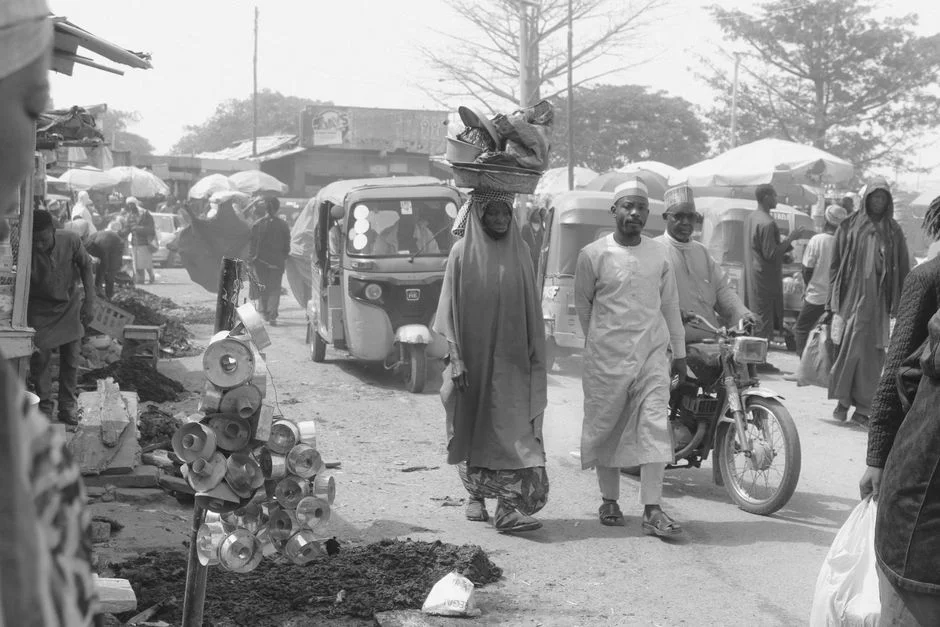

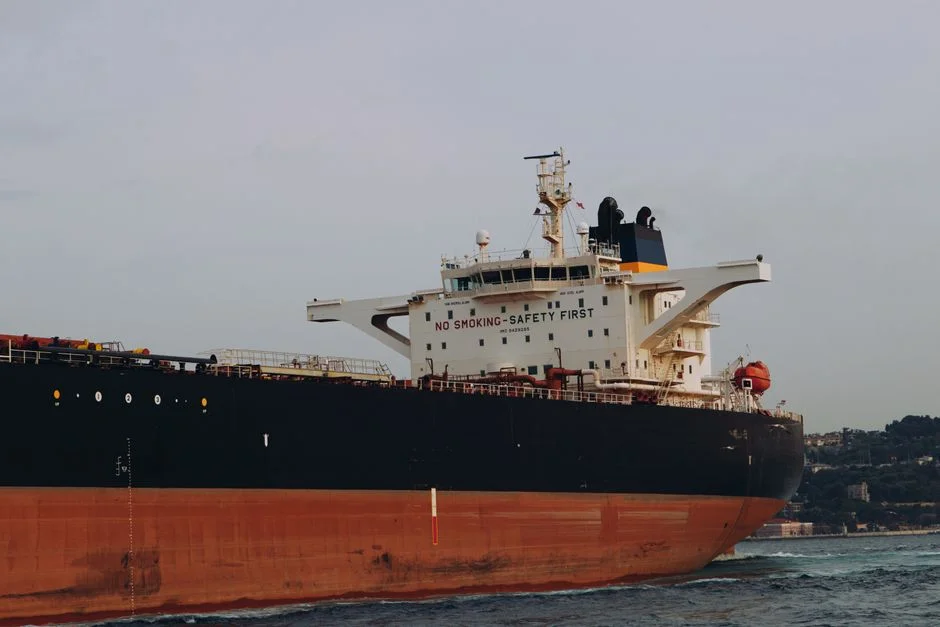
The Port of Lagos handles the overwhelming majority of Nigeria's maritime cargo. Delays at these facilities have historically added weeks to delivery schedules and inflated costs for importers. Adeniyi's office has made port modernisation a stated priority, and Tuesday's summit sought to build international support for infrastructure upgrades.
Customs officials at the meeting discussed adopting internationally recognised risk-based inspection protocols. Under this model, low-risk shipments receive expedited processing while higher-risk cargo undergoes more intensive scrutiny. The approach has proven effective in other markets, cutting average clearance times significantly.
Investor Implications and Economic Outlook
From an investment perspective, Nigeria's customs diplomacy carries significance beyond trade flows. Foreign direct investment decisions often factor in logistical efficiency and border transparency. Adeniyi's outreach suggests Nigeria is working to address longstanding concerns about corruption and administrative opacity at ports.
The timing matters. Nigeria's economy is navigating a challenging period of currency pressure and inflation. Expanding trade partnerships offers a potential buffer, generating foreign exchange through increased export volumes and improving the competitive position of domestic industries that rely on imported raw materials.
What Comes Next
The diplomatic conversations in Abuja are expected to produce formal memoranda of understanding with several partner nations within the next quarter. Nigerian Customs will dispatch technical teams to harmonise procedures with counterparts in participating countries.
For South African businesses eyeing West African expansion, monitoring these developments closely makes sense. A more efficient Nigerian customs regime could unlock new distribution opportunities across a region home to hundreds of millions of consumers.
Adeniyi is scheduled to address the National Assembly on trade cooperation progress in the coming months. Lawmakers have requested a detailed briefing on how new partnerships will affect customs revenue projections and domestic industry protection measures.
See Also
- Sporting's Rui Borges Confirms Advantage in Alvalade Clash: What It Means for Africa
- Bienvenido Joins Betis in Bold Move Amidst Girona’s Struggles
Adeniyi's outreach suggests Nigeria is working to address longstanding concerns about corruption and administrative opacity at ports.The timing matters. The approach has proven effective in other markets, cutting average clearance times significantly.Investor Implications and Economic OutlookFrom an investment perspective, Nigeria's customs diplomacy carries significance beyond trade flows.