The Springboks and the Barbarians have met 13 times across a history stretching back to 1954, with the South African side holding a slight edge in wins across those encounters. The two teams are set to face each other again in an upcoming fixture, reigniting a rivalry that has produced some of the most memorable moments in international rugby. For South Africa, where the Springboks carry outsized cultural significance, even an exhibition match between these sides generates ripples beyond the pitch.
Rugby as an Economic Signal
South Africa's relationship with rugby runs deeper than sport. When the Springboks play, hotel occupancy in host cities climbs. Restaurants fill. Sports bars see their highest takings of the year. This is not trivial: the tourism sector accounts for roughly 3% of South Africa's gross domestic product, and major sporting events serve as concentrated bursts of economic activity.

Past Barbarians fixtures in Cape Town and Johannesburg drew tens of thousands of international visitors. Each visitor spends money on accommodation, transport, dining, and retail. The multiplier effect ripples through the local economy. A single high-profile match can generate tens of millions of rand in direct spending within a 72-hour window.
For investors in South African hospitality stocks, retail groups, and transport operators, the announcement of a Barbarians fixture functions as a microeconomic data point. These companies often see share price movement in the weeks surrounding major international fixtures.
The Barbarians Model and Commercial Implications
The Barbarians operate differently from national teams. The invitation-only side assembles talent from across the rugby world for specific fixtures, giving matches an exhibition character that appeals to neutral fans and corporate sponsors alike. This model generates revenue through broadcasting rights, gate receipts, and sponsorship deals negotiated independently of national rugby unions.
For South Africa's hosting arrangements, the commercial structure matters. The South African Rugby Union negotiates local revenue streams, including ticket sales and local sponsorship. International broadcast rights typically flow through Rugby World Cup commercial partners, but individual host unions retain a portion of those earnings.
Sponsorship and Broadcast Revenue
Broadcasting deals represent the largest single revenue source for major international matches. South African broadcasters pay significant rights fees for exclusive coverage of Springboks fixtures. The Barbarians match, given its novelty and the prestige attached to the opposition, commands premium advertising rates. Brands targeting the South African market, from financial services to telecommunications, pay more to associate with high-rated match coverage.
Sponsorship revenue follows a similar logic. Corporate partners of both South African Rugby and the Barbarians Football Club receive perimeter advertising exposure, logo placement, and hospitality access. The economic value of that exposure depends on viewer ratings and attendance figures.
Fan Economy and Consumer Spending
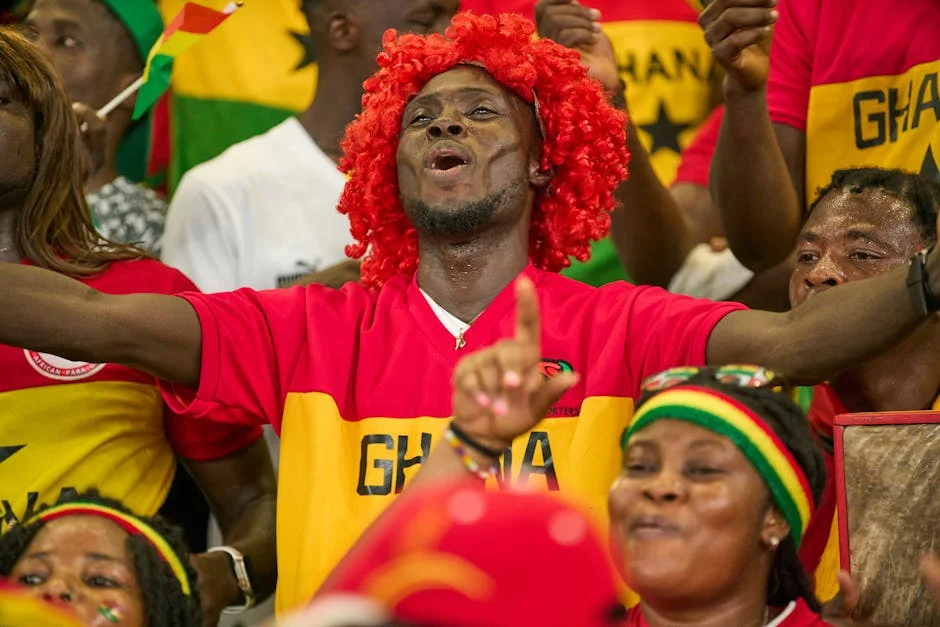

Beyond institutional revenue, a Barbarians match mobilises a different economic actor: the fan. South African supporters travel from across the country to attend major fixtures. They buy replica jerseys, purchase match-day programmes, and spend on transport and accommodation. The aggregate consumer spending associated with a single international match represents a measurable injection into the local economy.
Retailers in host cities report elevated sales in the days surrounding major fixtures. Sports equipment stores move additional inventory. Supermarkets and convenience stores near stadiums see increased foot traffic as supporters purchase food and beverages for match-day gatherings.
Estimates from previous international fixtures in Cape Town suggest that a single high-profile match can generate between R80 million and R120 million in direct consumer spending across the host city, with secondary effects extending to surrounding regions. While not all of that spending qualifies as new money entering the economy, a significant portion represents expenditure that would not otherwise occur.
What This Means for Business and Investment
For businesses with exposure to South African consumer spending, international rugby fixtures serve as periodic demand catalysts. Hotel groups, restaurant chains, and transport operators with South African operations benefit most directly. SPAR and Shoprite, major retail operators with significant South African footprints, see elevated volumes in urban areas surrounding match venues.
Investors monitoring South African consumer sentiment treat major sporting events as informal indicators. When the Springboks perform well in high-profile fixtures, national sentiment improves. Consumer confidence indices, while not directly tied to rugby results, tend to respond to broad measures of national morale. Rugby victories have historically correlated with short-term upticks in retail spending data.
The upcoming Barbarians fixture provides a specific data point for those tracking South African economic activity. The question is not whether the match matters, but rather how large the economic footprint will be. That calculation depends on attendance figures, broadcasting reach, and the broader economic conditions prevailing at the time of the fixture.
Looking Ahead
The Springboks' upcoming encounter with the Barbarians will be played at a date and venue to be confirmed by South African Rugby. Ticket sales, when they open, will provide the first concrete measure of fan demand. Broadcast ratings on match day will confirm the commercial reach. Those figures will determine the actual economic impact, not editorial speculation.
For now, the economic conversation around this fixture centres on potential. South Africa's hospitality sector is watching. Investors with exposure to South African consumer stocks are watching. The outcome on the pitch matters for national pride. The outcome for the economy depends on what happens off it.
See Also
- Kenya’s Progress Summit Signals New Era for Corporate Gender Equity
- Marble Towers Demolition Halted — Investors Hold Breath
SPAR and Shoprite, major retail operators with significant South African footprints, see elevated volumes in urban areas surrounding match venues. Investors monitoring South African consumer sentiment treat major sporting events as informal indicators.
What is the latest news about springboks vs barbarians why south africas rugby legacy still moves markets?
Why does this matter for education?
What are the key facts about springboks vs barbarians why south africas rugby legacy still moves markets?