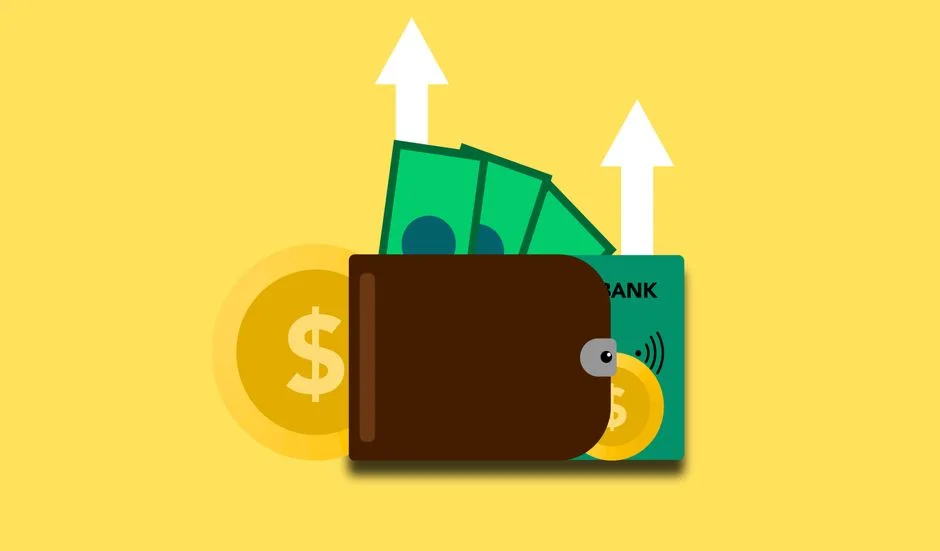
Nigeria's electricity distribution companies collected N196.13 billion in revenue against N246.43 billion billed during the most recent reporting period, newly released industry data shows. The shortfalls represent a 78.5% collection rate across the sector, leaving a N50.3 billion gap between what customers owe and what Discos actually received.
Revenue Collection Falls Short Across Sector
The figures expose a persistent challenge in Nigeria's power sector. Distribution companies across the country billed customers N246.43 billion but managed to collect only N196.13 billion. That N50.3 billion difference translates to roughly 20% of total billings going uncollected during the period. The shortfall raises questions about the financial sustainability of the distribution arm of Nigeria's electricity supply chain.
Ikeja Electric, one of the largest Discos operating in Lagos, represents a key segment of the market where collection performance varies. The gap between billing and collection has wide-reaching consequences for the entire electricity value chain, from generation companies to transmission infrastructure operators.
Market Implications for Investors
The collection rate directly affects the cash flow position of distribution companies seeking investment or refinancing. When 20% of billed revenue remains uncollected, these firms face challenges meeting operational costs, servicing debt, and funding network expansion. Nigerian electricity distribution companies have historically struggled with revenue collection due to a combination of poor metering, customer resistance, and widespread electricity theft.
For investors considering stakes in Nigeria's power sector, the collection rate serves as a critical metric. A 78.5% collection rate means these companies effectively operate at reduced scale while maintaining infrastructure built for higher throughput. The gap between billed and collected revenue also affects the capital available for maintenance and upgrades.
Impact on Generation Companies
The upstream impact is equally significant. Generation companies depend on Discos to pay for electricity supplied to the national grid. When distribution companies collect only 78.5% of billed amounts, they face their own shortfalls when remitting payments to generators. This creates a chain of cash flow pressures stretching back through the entire power sector.
Industry observers note that the gap between billing and collection has widened at various points, particularly during periods of economic strain when household and business customers struggle to pay electricity bills.
Business Implications for Commercial Customers


Commercial electricity consumers face their own set of challenges amid these collection dynamics. Businesses in Lagos, Port Harcourt, and other Nigerian cities rely on consistent power supply, yet the financial pressures on Discos sometimes result in reduced investment in distribution infrastructure. Poor collection rates can also lead to informal arrangements where some customers avoid billing altogether through illegal connections.
The collection shortfall means distribution companies have fewer resources available for routine maintenance, transformer upgrades, and line expansion. Businesses seeking reliable electricity for operations may face continued instability if Discos cannot generate sufficient cash flow from customer collections.
Economic Context and Sector Challenges
Nigeria's power sector has undergone multiple reforms since the privatisation of the generation and distribution segments in 2013. Despite these changes, the sector continues to face structural challenges. Distribution companies were allocated specific geographic zones upon privatisation, including Ikeja Electric covering parts of Lagos, but collection performance has remained inconsistent across regions.
The 78.5% collection rate sits below what would be needed for a fully functional market where Discos can reliably pay generation companies and invest in network improvements. Analysts tracking the sector have long pointed to collection efficiency as a key indicator of reform progress.
What Comes Next
Stakeholders will watch whether collection rates improve in the coming months as economic conditions in Nigeria evolve. The sector regulator, the Nigerian Electricity Regulatory Commission, monitors Disco performance through various metrics including collection efficiency. Distribution companies face pressure to improve their billing systems, deploy more smart meters, and reduce the gap between what customers consume and what they are charged.
The N50.3 billion gap between billing and collection represents both a challenge and a potential opportunity. Companies that successfully reduce their collection shortfall could unlock significant additional revenue without needing to increase tariffs or expand generation capacity.
See Also
- US-Nigeria Joint Strike Triggers Market Volatility
- Trump Cuts Ebola Funding — Researchers Leave Africa Vulnerable to Outbreaks
What is the latest news about nigerian discos collect n196bn of n246bn billed n50bn revenue gap exposed?
Why does this matter for infrastructure-cities?
What are the key facts about nigerian discos collect n196bn of n246bn billed n50bn revenue gap exposed?