A South African industry body has launched a new initiative aimed at placing more women in senior leadership positions across the steel sector, in a move that industry observers say could reshape the country's manufacturing landscape and attract fresh investment into a sector long dominated by men.
Initiative Targets Leadership Pipeline
The programme, announced by the industry body representing major steel producers operating in South Africa, focuses on creating clear pathways for women to advance from mid-level positions into executive and board-level roles. Rather than offering general mentorship, the initiative pairs senior female executives with junior staff and connects participants with board members at major steel companies.
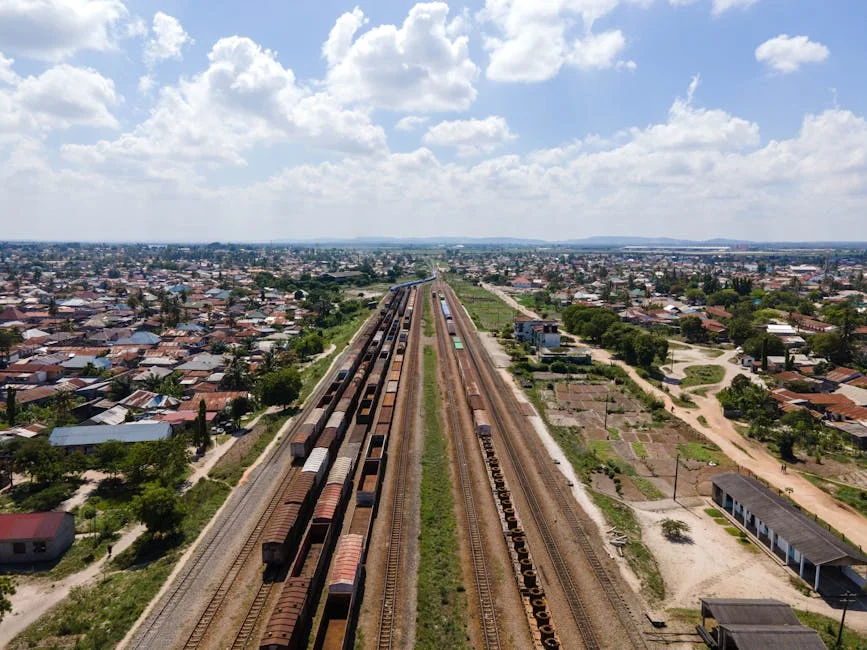
South Africa's steel industry employs tens of thousands of workers across provinces including Gauteng, KwaZulu-Natal, and the Western Cape. The sector has faced repeated pressure from investors and international customers demanding better diversity credentials from their supply chains.
Why Gender Diversity Now Drives Investment Decisions
Global investors have increasingly tied financing terms to environmental, social, and governance metrics, with gender diversity emerging as a key factor in investment committee deliberations. South African steel producers competing for international contracts say they cannot afford to be seen as laggards on diversity.
Several international steel buyers have quietly signalled that supplier diversity records will factor into future contract renewals. For South African exporters, this creates a direct commercial incentive to accelerate change rather than treat it as a box-ticking exercise.
The Business Case for Change
Research from global management consultancies has consistently shown that companies with higher proportions of women in leadership roles tend to outperform peers on key financial metrics over extended periods. While the steel sector has historically moved slowly on diversity, the current initiative signals a departure from that pattern.
Industry sources note that major South African steel producers have committed to publishing annual diversity reports, a step that will create public accountability and allow investors to track progress against stated targets.
Current State of Women in South African Steel
Women currently hold a small fraction of senior positions across the sector despite making up a growing share of graduate recruits in engineering and business programmes. The gap between entry-level representation and leadership ranks has drawn criticism from institutional investors managing pension funds and retirement savings.
South Africa's mining and metals sector has trailed other industries in promoting women into decision-making roles, though the picture varies significantly between companies. Some producers have made visible progress, while others have yet to appoint a single woman to their board.
The new initiative aims to address this disparity by working directly with human resources departments at member companies to redesign promotion processes and reduce unconscious bias in hiring decisions for senior roles.
Economic Context Shapes the Moment
South Africa's steel sector operates in a challenging environment. Energy supply disruptions, rising input costs, and competition from cheaper imported steel have squeezed margins at domestic producers. In this context, industry leaders argue that tapping underutilised talent pools is not merely a social objective but an economic necessity.
The steel industry contributes significantly to South Africa's manufacturing output and supplies critical inputs to construction, automotive, and infrastructure projects. Sustaining that contribution requires attracting and retaining the best talent, regardless of gender.
Government infrastructure spending, including plans for new rail and port projects, is expected to sustain demand for steel products over the coming years. How the sector prepares its workforce for those opportunities will determine whether South African producers capture that demand or lose it to competitors with more diverse leadership teams.
Investor Pressure and ESG Expectations
Institutional investors managing South African retirement funds have grown more vocal about diversity expectations. Several major asset managers have indicated that board diversity will become a formal criterion in investment decisions for steel sector companies.
The Johannesburg Stock Exchange has also tightened listing requirements around governance disclosures, creating additional pressure on companies to demonstrate progress on diversity metrics. Companies that fail to show improvement risk losing index inclusion and the associated capital flows.
International development finance institutions, which have provided financing to several South African infrastructure projects, have similarly signalled that diversity performance will influence future lending decisions. For steel producers seeking project finance, this adds another layer of accountability.
What Comes Next for the Initiative
The industry body plans to release its first progress report within eighteen months, setting out female representation figures across seniority levels at each member company. The report will establish baseline data and allow investors to compare performance across the sector.
Member companies have also agreed to participate in quarterly roundtables where senior executives will present their diversity strategies and face questions from peers and investors. The format is designed to create public pressure for delivery while allowing companies to learn from leaders who have made faster progress.
Industry watchers say the next twelve months will determine whether this initiative produces measurable change or follows the pattern of previous diversity pledges that faded without follow-through. The publication of transparent data will be the critical test of intent.
See Also
- Portugal Misses U19 Women's Euro Qualification — Impact on Sports and Economy
- Techie Dies After Gachibowli Fire, Sparks Concerns Over Workplace Safety