Pastor Enoch Adeboye, leader of the world's largest Pentecostal church, has issued a sweeping ultimatum to Nigeria's federal government: eliminate terrorist threats across the country within 90 days, or security chiefs must step down. The directive, delivered during a service at the Redeemed Christian Church of God headquarters in Oyo State, sent ripples through political and business circles alike.
Church Leader Sets the Deadline
Adeboye told worshippers on Sunday that security agencies have failed to protect citizens adequately. He gave the government exactly three months to demonstrate results. If security chiefs cannot deliver, he said, they should resign. The statement appeared on Channels Television and spread rapidly across Nigerian media.
"The time for excuses has passed," Adeboye stated. "Nigerians deserve safety, and those tasked with providing it must be held accountable or face the consequences."
The preacher's intervention carries unusual weight. His church, the Redeemed Christian Church of God, claims over 25 million congregants globally. When he speaks, political leaders listen.
Security Crisis Deepens Across Nigeria
Nigeria has battled multiple security threats simultaneously. Bandits roam the northwest, abducting villagers for ransom. Boko Haram and Islamic State West Africa Province control parts of the northeast. Kidnapping-for-profit gangs have expanded into previously safe southern states.
The northwest region alone saw over 1,500 violent deaths in the past year. Schools have closed indefinitely in several states. International firms have evacuated non-essential staff. Agricultural output in affected zones has dropped sharply.
Investors have watched uneasily. Foreign direct investment inflows fell by 18 percent last year, partly due to security concerns. Manufacturing firms in Lagos and Port Harcourt report higher insurance premiums. Supply chain disruptions cost the economy an estimated $2.3 billion annually.
Government Response Under Scrutiny

The presidency has not issued a direct response to Adeboye's demand. However, sources close to the National Security Adviser indicate officials are reviewing protocols. Security analysts expect a cabinet reshuffle if the 90-day window closes without visible improvement.
Defense Minister Abdulrahman Zubairu held an emergency meeting with service chiefs on Monday. Officials present said the minister emphasized acceleration of kinetic operations. The military has been authorized to increase air patrols over affected regions, according to a statement from the Defense Headquarters in Abuja.
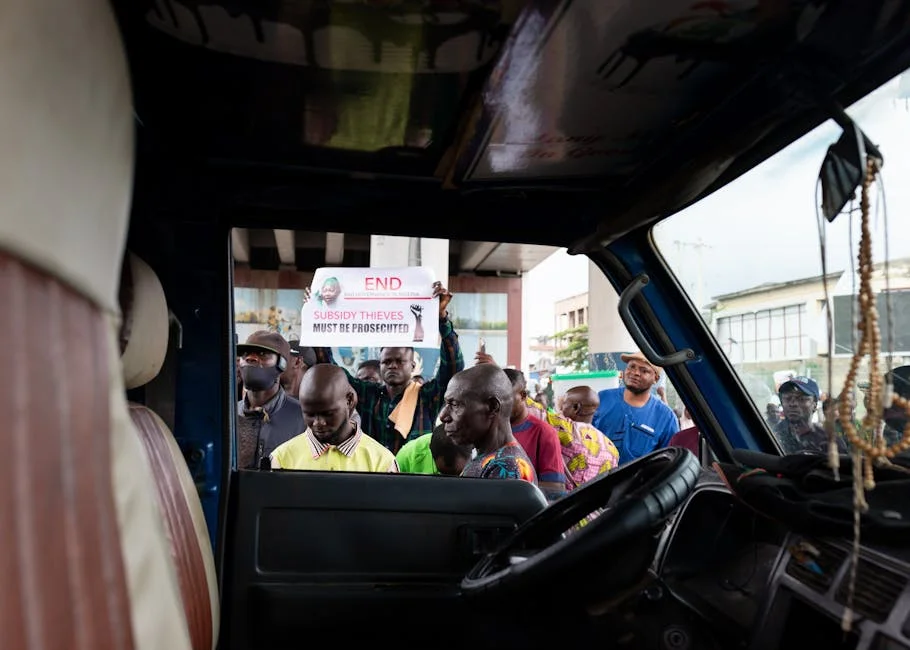
Critics argue past deadlines produced little. A similar ultimatum issued in 2022 expired without consequence. Business leaders want concrete action rather than renewed promises.
Economic Stakes Could Not Be Higher
Nigeria's economy depends on stability. The naira has weakened against the dollar, partly due to investor nervousness about security. The Lagos Stock Exchange lost 3.4 percent last month as risk-averse funds rotated toward safer markets. Banking stocks bore the brunt.
Multinational companies with Nigerian operations are reassessing risk Exposure. Some technology firms have delayed expansion plans. Construction projects in outlying states face repeated postponements as workers refuse dangerous commutes.
A tourism industry that could employ millions remains stunted. Investors interested in resort development on Nigeria's coast cite insecurity as the primary obstacle. The country's image abroad suffers when video footage of attacks circulates globally.
What Investors Should Watch
The 90-day clock started ticking. By the end of August, Adeboye's congregation will scrutinize every incident. A major attack during that window could trigger panic selling on the Exchange. Conversely, visible military successes could boost market sentiment.
Watch for announcements from the National Security Adviser. Any restructuring of the defense hierarchy will signal how seriously the government treats this commitment. Quarterly earnings reports from companies operating in vulnerable regions will reveal whether security costs are rising.
International ratings agencies have flagged security as a factor in Nigeria's credit outlook. A prolonged crisis could trigger a downgrade, raising borrowing costs for the government and private sector alike.
Church-State Dynamic Shapes Outcomes
Adeboye has weighed in on national affairs before, but rarely with such a specific deadline. His intervention reflects deep public frustration. Average Nigerians blame security failures for rising food prices and lost livelihoods.
The government faces competing pressures. Military commanders request more resources. Regional governors demand federal support. Businesses want certainty. The next 90 days will test whether Nigeria's leaders can deliver results under public scrutiny from one of the country's most powerful institutions.
See Also
- Santos Silva Demands Clear Criticism of Military Action Against Iran: What It Means for Africa
- Portugal's Armadas Launches New Combatant Support Scheme
A major attack during that window could trigger panic selling on the Exchange. Quarterly earnings reports from companies operating in vulnerable regions will reveal whether security costs are rising.
What is the latest news about pastor adeboye demands fg clear terrorists in 90 days or resign?
Why does this matter for economy-business?
What are the key facts about pastor adeboye demands fg clear terrorists in 90 days or resign?