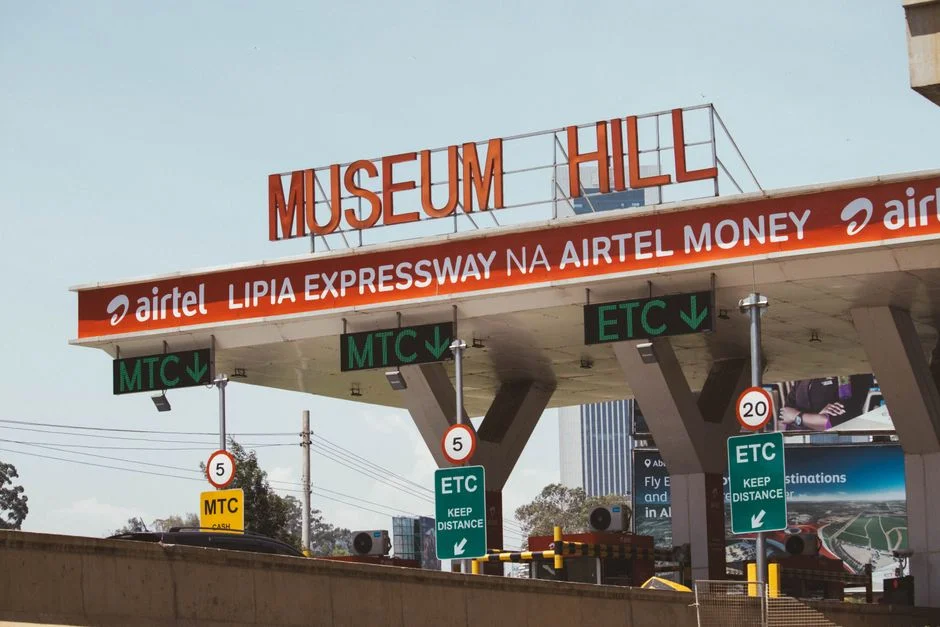
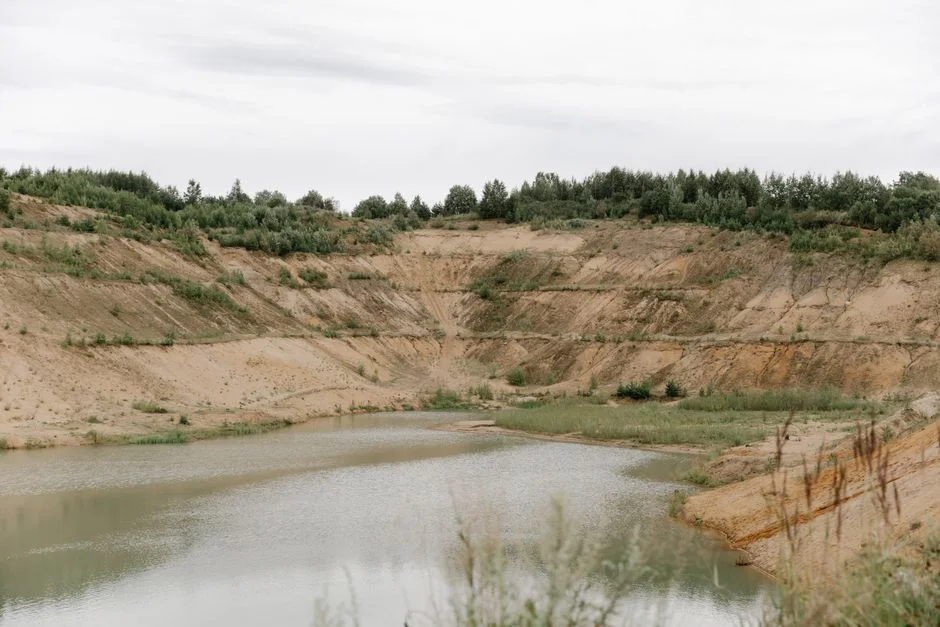
Kenya has pushed back hard against a US plan to establish an Ebola quarantine facility on its soil, with Nairobi warning of serious consequences for trade, investment, and diplomatic relations. The proposal, details of which emerged last Thursday, would designate a site at the Mombasa coastal region for screening and isolating potentially infected travellers. Within days, Kenyan officials demanded talks with Washington, and business leaders warned the plan could undermine confidence in East Africa's largest economy.
What the US Plan Entails
The proposal calls for a dedicated quarantine facility at a US-managed installation in Kwale County, south of Mombasa. US health officials have described it as a precautionary measure to handle potential Ebola cases from across the region, where outbreaks have flared in the Democratic Republic of Congo and Uganda. The facility would operate independently of Kenya's own health infrastructure, a point that has rankled officials in Nairobi.
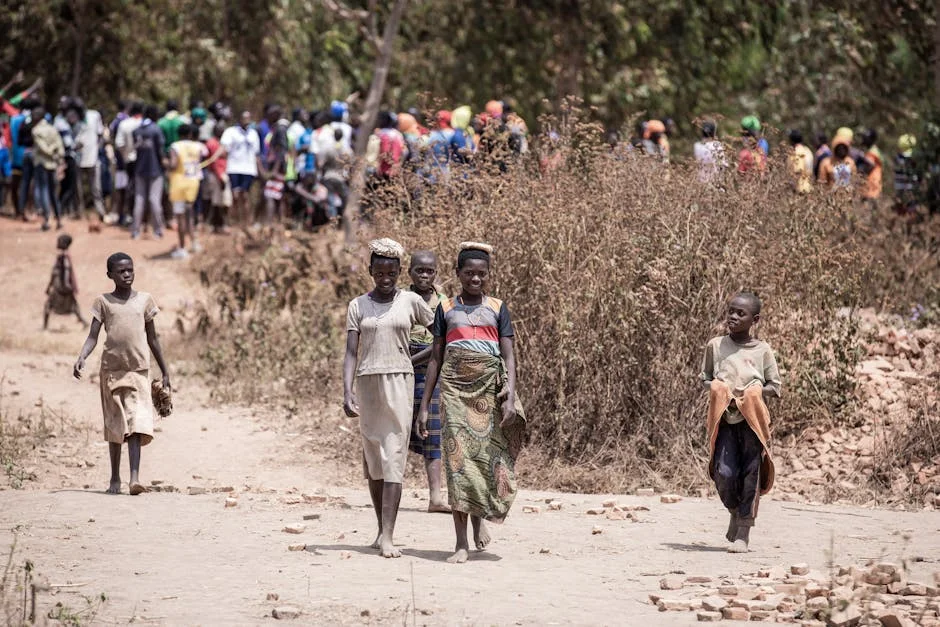
One Kenyan official, speaking on condition of anonymity because the talks are ongoing, said the arrangement would effectively place a US-controlled medical outpost on Kenyan territory without proper oversight. "We were not consulted," the official told Reuters. "This is our sovereign land. Any health facility operating here must answer to Kenyan law."
Kenya's Defiant Response
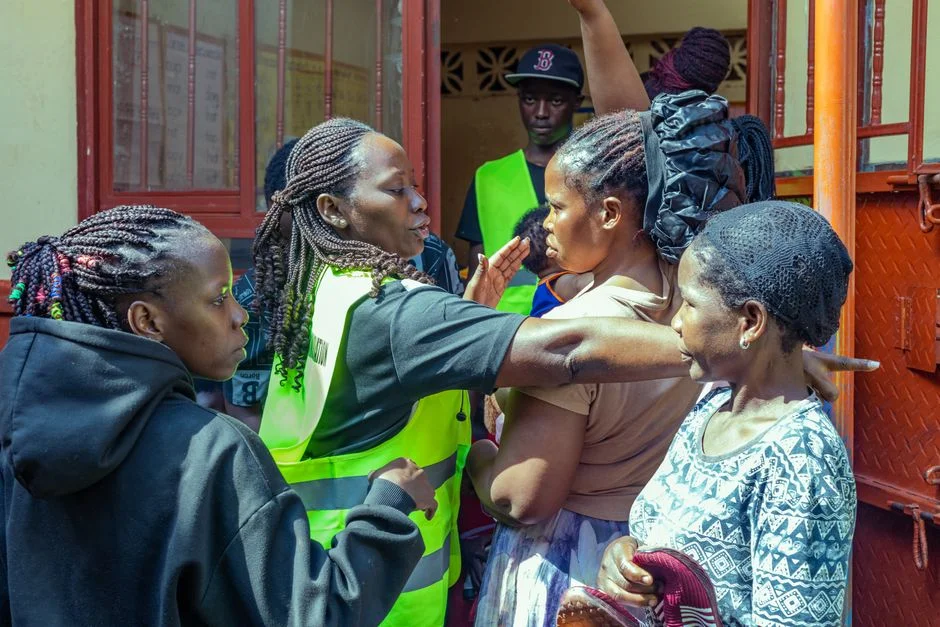
Foreign Affairs Cabinet Secretary Monica Juma summoned the US ambassador to Nairobi for talks last Friday. She called for "transparent consultations" before any agreement is signed. The Ministry of Health subsequently issued a statement saying Kenya's existing screening protocols at Jomo Kenyatta International Airport and border crossings are sufficient.
Public reaction has been swift and emotional. In Nairobi's Kibera district, residents gathered outside a local health centre to express opposition. "We don't have another country to run to," said Margaret Wanjiku, a community organiser. "This is our home. If they bring Ebola here, where do we go?" The comment echoed widely on Kenyan social media and has been cited by opposition politicians demanding a parliamentary debate.
Economic Concerns Rise
The Kenya Private Sector Alliance, an influential business lobby, has warned that the quarantine plan could damage investor sentiment. "Kenya is competing for foreign direct investment against Ethiopia, Rwanda, and Tanzania," said the alliance's director, Carole Njeri. "Any perception that health risks are being externalised onto Kenya damages that effort."
Several international companies with operations in Nairobi have begun reviewing contingency plans, according to two sources at multinational corporations who spoke to the Financial Times. The reviews centre on employee relocation policies and supply chain disruptions if travel restrictions tighten.
Trade Routes Under Pressure

Kenya's role as East Africa's primary trade gateway amplifies the stakes. The port of Mombasa handles goods bound for Uganda, Rwanda, South Sudan, and parts of Tanzania. Logistics companies warn that an Ebola-related quarantine zone near the coast could slow cargo processing and create new bureaucratic hurdles.
The Northern Corridor Transit Agreement, which governs truck traffic between Kenya and its landlocked neighbours, contains provisions for health emergencies. Uganda's Ministry of Health has already held talks with Kenyan counterparts to coordinate responses. Tanzanian authorities have not commented publicly but are understood to be monitoring the situation closely.
For ordinary traders, the uncertainty is already biting. "We move goods daily between Nairobi and Kampala," said James Otieno, a truck driver who operates along the Eldoret-Malaba route. "If they start quarantining people at the border, our business slows. How long can we survive on reduced loads?"
Market Reaction and Investor View
The Nairobi Securities Exchange saw modest pressure in the days following the announcement. The NSE 20 Share Index dipped 0.8%, with aviation and hospitality stocks bearing the brunt. Kenya Airways shares fell 3.4% before recovering partially. Analysts at Cytonn Investments noted that emerging market investors are sensitive to health risk narratives, particularly after the 2014 Ebola crisis dented West African growth.
"The concern is less about actual Ebola cases and more about reputational damage," said one London-based fund manager with exposure to Kenyan equities. "If the narrative becomes 'Kenya is where you quarantine Ebola patients,' that is hard to reverse quickly." The manager declined to be named as they are not authorised to speak to media.
What Comes Next
US and Kenyan officials are scheduled to meet in Nairobi next week for further negotiations. Kenya's Cabinet is expected to discuss the matter in an emergency session by mid-June. The outcome of those talks will determine whether the quarantine plan proceeds, is modified, or is abandoned entirely.
For now, the World Health Organization has not classified Kenya as high-risk, noting that no cases have been reported domestically. But the economic damage, if investor confidence continues to slide, may prove harder to contain than the virus itself. Markets will watch the next few weeks closely for signals from both governments.
See Also
- Banco de Portugal Updates Pension Rules: What Santos Pereira Means for South Africa
- Chad's Digital Armor Reveals How Internet Access Can Shield Vulnerable Populations
Analysts at Cytonn Investments noted that emerging market investors are sensitive to health risk narratives, particularly after the 2014 Ebola crisis dented West African growth."The concern is less about actual Ebola cases and more about reputational damage," said one London-based fund manager with exposure to Kenyan equities. Logistics companies warn that an Ebola-related quarantine zone near the coast could slow cargo processing and create new bureaucratic hurdles.The Northern Corridor Transit Agreement, which governs truck traffic between Kenya and its landlocked neighbours, contains provisions for health emergencies.