Prime Minister Abiy Ahmed of Ethiopia has publicly accused foreign and domestic enemies of orchestrating propaganda against the upcoming elections, which are scheduled for November 2024. In a speech delivered on Sunday in Addis Ababa, he stated that these efforts are an attempt to undermine the electoral process and destabilise the country.
Market Impact Amidst Political Uncertainty
The claim comes at a challenging time for Ethiopia's economy, which has been recovering from a two-year civil conflict that significantly disrupted trade and investment. The government has projected a growth rate of 3.6% for the current fiscal year, but political instability raises concerns about meeting these targets.
Investors are closely monitoring the situation. On the Ethiopian Commodity Exchange, cotton prices dropped by 5% following Ahmed's comments, reflecting growing concerns over the potential for further instability. As investors weigh their options, many are reassessing their exposure to Ethiopia.
Polling Insights and Voter Sentiment
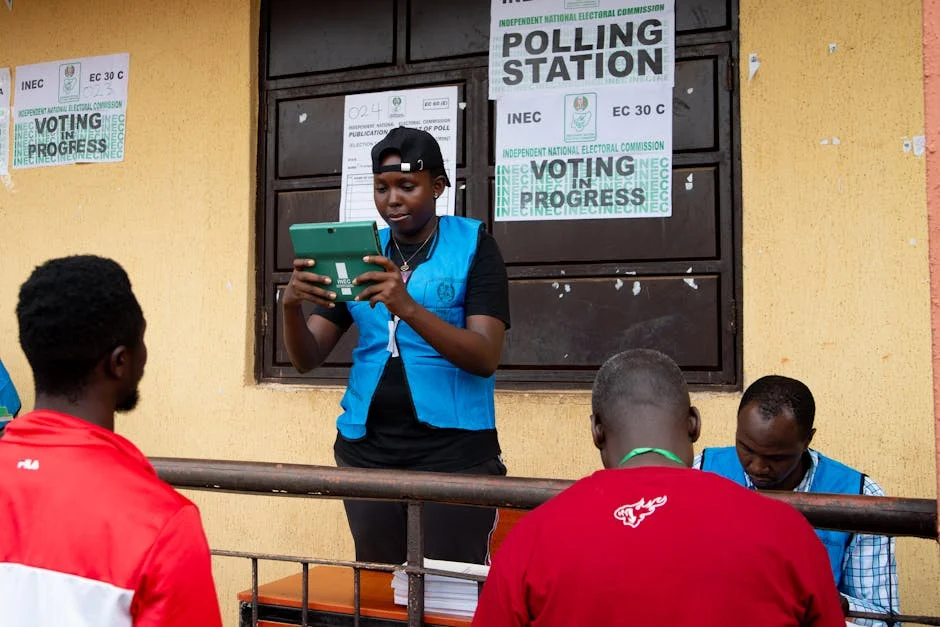
Polling data reveals that voter confidence in the electoral process has been affected by Ahmed's allegations. Over 60% of respondents in a recent survey expressed distrust in the government's ability to conduct free and fair elections, a sentiment that could further complicate business operations in the country.
This lack of confidence poses significant implications for both domestic and foreign businesses. Companies operating in Ethiopia are beginning to prepare contingency plans, should political tensions escalate ahead of the elections.
International Reactions to Allegations


International agencies have reacted with caution to Ahmed's statements. The European Union and the United States have urged the Ethiopian government to ensure a transparent electoral process. The Ethiopian Human Rights Commission has also voiced concerns over the potential for increased repression of dissent.
In response to these developments, the International Monetary Fund (IMF) has indicated it may reconsider its planned support for Ethiopia, contingent upon political stability and adherence to democratic principles. This could directly impact Ethiopia's access to critical funding and further strain its economy.
Future Prospects for Ethiopian Business
The economic landscape in Ethiopia faces numerous challenges, exacerbated by political uncertainty. Businesses are grappling with high inflation rates, currently at 25%, which can significantly affect consumer purchasing power and overall market dynamics.
With the elections approaching, companies are urged to evaluate their strategies to mitigate risks associated with political instability. Those reliant on imports and exports may need to brace for fluctuating rates and supply chain disruptions.
Key Takeaways for Investors
Investors must remain vigilant as the situation unfolds. The upcoming elections are a pivotal moment that could reshape Ethiopia's political and economic landscape. Stakeholders should monitor developments closely, especially any announcements from the government regarding electoral reforms and measures to ensure transparency.
As the election date approaches, businesses should prepare for potential volatility. Crafting flexible strategies will be essential for navigating the complex economic environment in Ethiopia. Investors will need to stay informed about updates from the Ethiopian government and international observers.
What to Watch Next
Looking ahead, the next few months will be critical for Ethiopia. Analysts recommend paying attention to any shifts in government policy aimed at addressing concerns over electoral integrity. Additionally, market reactions to the evolving political narrative will provide valuable insights into the health of Ethiopia's economy as the elections draw near.
See Also
- Kenya Launches US Quarantine Facility for Americans Exposed to Ebola
- Senate Seeks Military Base as Benue Killings Spark Security Debate
This could directly impact Ethiopia's access to critical funding and further strain its economy.Future Prospects for Ethiopian BusinessThe economic landscape in Ethiopia faces numerous challenges, exacerbated by political uncertainty. Those reliant on imports and exports may need to brace for fluctuating rates and supply chain disruptions.Key Takeaways for InvestorsInvestors must remain vigilant as the situation unfolds.
What is the latest news about abiy ahmed blames enemies for election propaganda as investor confidence wanes?
Why does this matter for politics-governance?
What are the key facts about abiy ahmed blames enemies for election propaganda as investor confidence wanes?