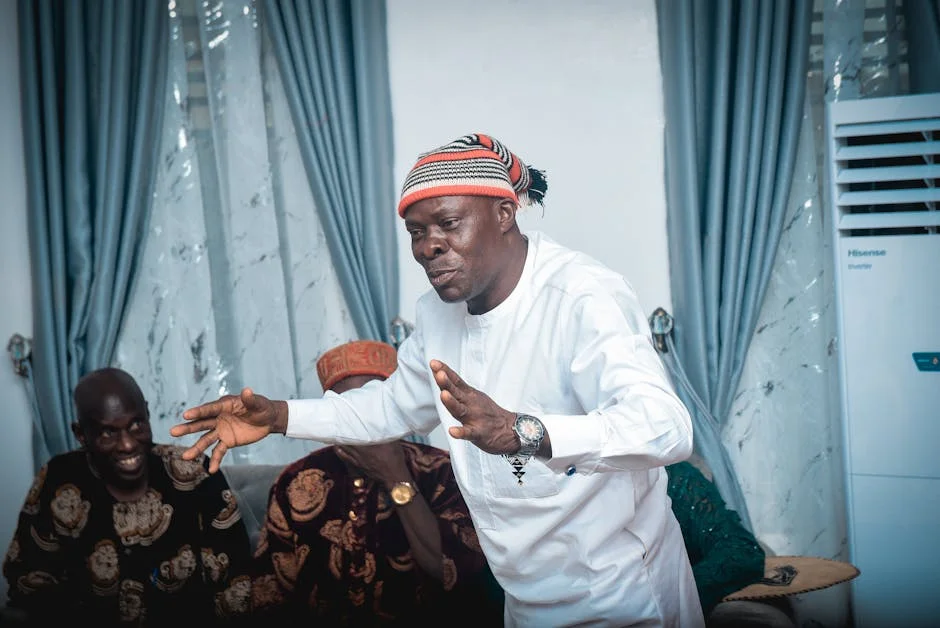
On May 27, 2026, Nigeria will celebrate its Children’s Day, a day designated to honour the rights and well-being of children across the nation. However, as Nigeria prepares for this event, questions arise about which children are truly being celebrated and what challenges they face in a country grappling with socio-economic issues.
Children in Need Amid Economic Struggles
With over 90 million children living in poverty, Nigeria is home to some of the most vulnerable youths in the world. The Children’s Day celebrations will coincide with growing frustrations regarding access to education, healthcare, and basic necessities. Children from low-income families, particularly in rural areas, often face insurmountable barriers that hinder their development and future prospects.
According to a recent report from the United Nations Children’s Fund (UNICEF), approximately 10.5 million Nigerian children are out of school, a statistic that highlights systemic issues in education funding and policy implementation. This situation poses a long-term threat to the nation’s human capital and overall economic growth.
The Role of Businesses and NGOs
Various non-governmental organisations (NGOs) and businesses are stepping in to address these challenges by providing educational resources and healthcare services. Organisations like the Nigerian National Children's Fund are spearheading initiatives to raise awareness about child rights and to mobilise community resources. This raises the question of what role private businesses can play in complementing government efforts.
Corporations are increasingly recognising their social responsibilities. Many business leaders believe that investing in children's welfare could lead to a more skilled future workforce. This sentiment is echoed by local entrepreneurs who have launched programmes to provide educational workshops and mentorship for underserved children.
Government Initiatives and Budget Allocations
The Nigerian government has announced plans to invest ₦10 billion ($21 million) in children's welfare and education initiatives as part of its 2026 budget. This funding aims to improve access to schools, healthcare facilities, and nutrition programmes. However, critics argue that this amount is inadequate compared to the pressing needs of millions of children.
The Ministry of Youth and Sports Development has also pledged to facilitate educational reforms, but many remain sceptical about the execution and timeliness of these initiatives. As of now, various state governments are struggling to allocate resources effectively, with some regions receiving more funding than others.
Market Reactions to Child Welfare Policies
Investor sentiment regarding child welfare policies can significantly influence market dynamics. The Nigerian stock market often reacts to changes in government spending, particularly in sectors related to education and health. A positive reaction from investors could lead to increased investments in businesses that focus on social initiatives.
However, if public sentiment turns negative due to perceived shortcomings in the government's efforts, markets may face increased volatility. Businesses that rely on a strong consumer base could be adversely affected if families continue to struggle financially and educationally.
The Impact of Celebrating Children's Day
Celebrating Children’s Day in Nigeria serves as a critical reminder of the ongoing struggles faced by many children. While the day is intended to honour their rights, it also shines a spotlight on the systemic issues that need to be addressed. Advocates hope that increased awareness will lead to tangible changes and improvements in children’s lives.
Prominent figures, including state governors and community leaders, are expected to participate in events across the nation, making speeches that will inevitably shape public discourse. The attention generated during this time can lead to increased pressure on the government to act decisively.
What Lies Ahead for Nigeria’s Children
As Nigeria approaches Children’s Day, stakeholders must focus on the long-term implications of investment in children. The upcoming national elections, scheduled for February 2027, will be pivotal for policy-making and budget allocation concerning child welfare. How candidates address these issues will impact public perception and trust.
In the coming months, citizens and investors alike will watch how government promises translate into action. The educational and health sectors will be vital areas to monitor for any signs of improvement or further decline in the well-being of Nigeria's children.
See Also
- SA Police Crisis Triggers Investor Flight and Market Jitters
- Millwall Defies FIFA Rules to Block Azeez — Nigeria's Portugal Friendly in Doubt
Businesses that rely on a strong consumer base could be adversely affected if families continue to struggle financially and educationally.The Impact of Celebrating Children's DayCelebrating Children’s Day in Nigeria serves as a critical reminder of the ongoing struggles faced by many children. As of now, various state governments are struggling to allocate resources effectively, with some regions receiving more funding than others.Market Reactions to Child Welfare PoliciesInvestor sentiment regarding child welfare policies can significantly influence market dynamics.