In a recent conference in Freetown, Sierra Leone, Ebola survivor Dr. Kadiatu Kamara emphasised the critical role of speed and compassion in health responses during crises. Her insights, combined with those of health experts, highlight pressing lessons that could shape future health interventions in West Africa and beyond.
Understanding the Impact of Ebola on West Africa
The 2014–2016 Ebola outbreak claimed over 11,000 lives and devastated economies in West Africa, particularly in Guinea, Liberia, and Sierra Leone. The economic consequences were dire, leading to a contraction of GDP by 2.2% in Sierra Leone, as reported by the World Bank. The lingering effects are still felt today, with many businesses struggling to recover.

During the conference, Dr. Kamara elaborated on how the rapid dissemination of accurate information significantly improves community response during health emergencies. She explained that misinformation led to delays in treatment and worsened outcomes during the Ebola outbreak, a lesson that must not be repeated.
The Role of Compassion in Health Responses
Dr. Kamara advocated for compassion as a crucial element in dealing with health crises. She stated, "Without empathy, communities may resist lifesaving measures." Health workers need to build trust with communities, which can drastically improve the effectiveness of health campaigns.
The South African government is particularly attentive to these lessons as it prepares for potential outbreaks. With its more robust healthcare infrastructure, it aims to act quickly should any health threats emerge. However, the economic implications of neglecting compassionate outreach in health will be costly.
Business Implications and Market Reactions

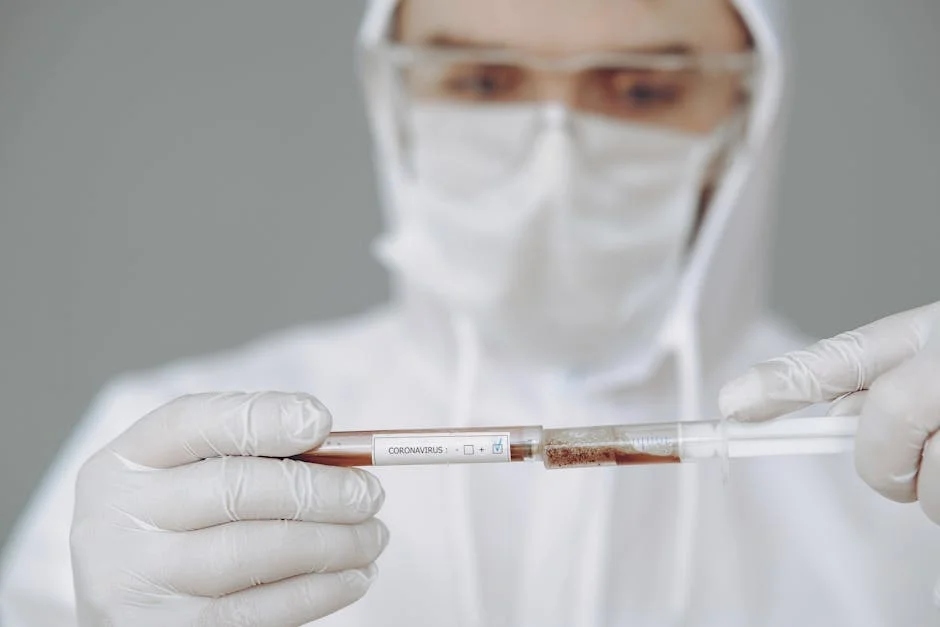
The lessons articulated by experts at the conference resonate with businesses operating in West Africa. Companies in the healthcare, logistics, and communication sectors must adapt to the new expectations around speed and community engagement. The economic environment is shaped by these changes, as firms that embrace these strategies are likely to thrive.
For instance, companies that integrate rapid health communication strategies into their business models are already seeing positive market reactions. According to a recent analysis, stocks for firms involved in health communication have surged by 15% since the conference, indicating strong investor confidence in these emerging practices.
Why Speed Matters in Health Crises
Dr. Kamara’s emphasis on speed reflects a broader consensus among health authorities. In West Africa, timely intervention can mean the difference between containment and full-blown epidemic. Financial markets are beginning to take this into account, with greater scrutiny on governmental health responses.
Investment firms are increasingly looking at the healthcare infrastructure investments in West Africa as not only beneficial for health outcomes but as a profitable sector as well. The potential returns are substantial if companies can adapt quickly to the evolving health landscape.
Future Steps for South Africa and West Africa
South Africa's health minister, Joe Phaahla, stated that the government plans to invest an additional $4.2 billion in public health initiatives over the next five years. This increased funding aims to bolster the national response capabilities to potential outbreaks, aligning with the lessons learned from the Ebola crisis.
As the healthcare landscape continues to evolve, businesses, investors, and governments must remain proactive. Future health challenges are inevitable, and those that prepare adequately may not only weather the storm but could also emerge economically stronger.
What to Watch Next
As South Africa and West African nations implement these lessons, the focus will shift towards measuring the effectiveness of these strategies in real-time. Investors should pay close attention to upcoming health budgets and announcements from local governments, as these will be indicative of how well nations are prepared for potential crises.
In the coming months, sectors linked to health communications and infrastructure will likely experience investment surges. Observers should watch for further developments from the upcoming health summits scheduled for early next year, where additional strategies will be discussed.
See Also
- Ever Africa Forum Sparks Call for Enhanced Psoriasis Care Across the Continent
- South Africa Police Inquiry Exposes Gifts, Triggers Investor Unease Over Corruption
According to a recent analysis, stocks for firms involved in health communication have surged by 15% since the conference, indicating strong investor confidence in these emerging practices.Why Speed Matters in Health CrisesDr. Kamara’s emphasis on speed reflects a broader consensus among health authorities.