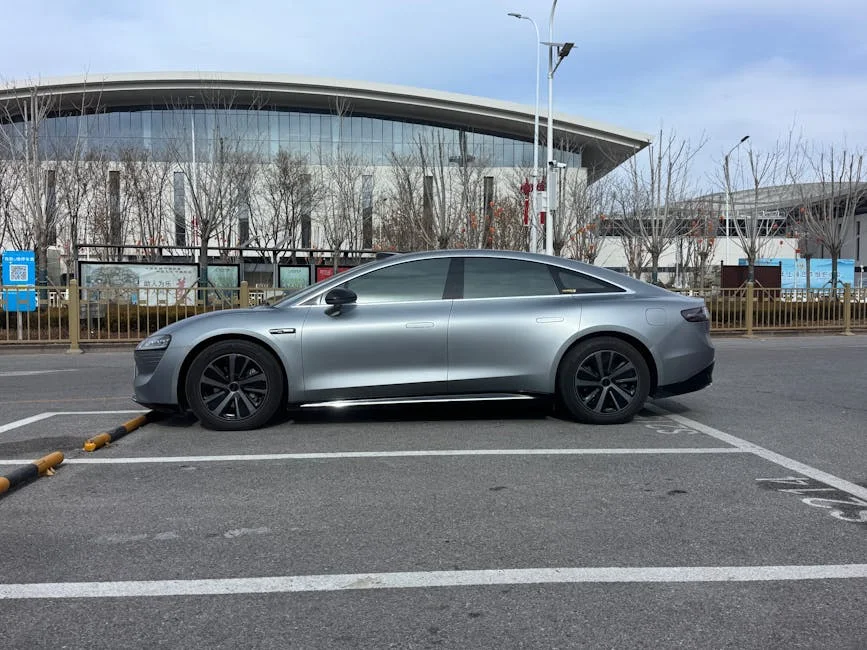
Chery South Africa has officially launched its electric SUV, the Omoda 5, marking a significant entry into the competitive South African electric vehicle market. This introduction, which took place in Johannesburg on October 3, 2023, is poised to reshape consumer preferences and potentially impact local automotive industries.
Market Context and Industry Response
The South African automotive market has seen a steady rise in electric vehicle registrations, with over 1,500 electric vehicles sold in 2022, a 40% increase year-on-year. The introduction of Chery's Omoda 5, equipped with a 61.4 kWh battery that provides a range of approximately 400 km, signals a shift towards more affordable electric options. Priced at R699,900, the SUV targets budget-conscious consumers who may have previously opted for traditional combustion engine vehicles.

Local competitors are likely to respond with intensified marketing strategies and potentially adjust pricing structures to maintain market share. Established players like BMW and Mercedes-Benz, who offer premium electric models, may reconsider their pricing and features to appeal to a broader audience.
Impact on South African Businesses
Chery's entry into the market could lead to both challenges and opportunities for South African businesses in the automotive supply chain. Local suppliers might benefit from increased demand for components as Chery expands its footprint and local assembly or manufacturing options. The government has been promoting electric vehicle adoption as part of its broader environmental goals, which aligns with Chery's sustainability narrative.
However, increased competition may lead to tighter profit margins for existing manufacturers. Local firms, particularly those focusing on traditional vehicles, may have to innovate to keep pace with changing consumer expectations and regulatory pressures towards greener alternatives.
Investor Sentiment and Market Reactions


Investors are closely monitoring Chery's performance as a potential indicator of the electric vehicle market's trajectory in South Africa. The brand's strategy of offering an affordable electric SUV may appeal to a broader consumer base, influencing investor confidence in emerging automotive technologies.
Shares of competing automotive companies have seen volatility in response to Chery's announcement. Analysts suggest that companies that can adapt quickly to the growing electric vehicle segment will be best positioned for long-term success.
Potential Economic Implications
The launch of Chery's Omoda 5 could have broader economic implications, potentially boosting job creation in the green technology sector. With more manufacturers focusing on electric vehicles, South Africa could see a rise in skilled positions related to battery technology, vehicle assembly, and software development.
Additionally, as consumer demand for electric vehicles increases, the government may see shifts in policy, including incentives for electric vehicle purchases and infrastructure development, such as charging stations, which will require investment in public and private sectors.
What’s Next for Chery South Africa?
Chery South Africa has plans to expand its model range in the coming years, with expectations to unveil additional electric vehicle variants by 2025. This commitment reflects a long-term vision to not only compete within the local market but also establish a foothold in other African regions.
As the local electric vehicle landscape evolves, consumers, investors, and businesses should watch for Chery's sales performance and the subsequent reactions from competitors. The next major event in the automotive calendar will be the Johannesburg International Motor Show in November, where further innovations and product offerings are expected to be showcased, potentially reshaping the competitive dynamics.
See Also
- FRC Warns Nigeria's Actuaries Shortage Threatens $12bn Insurance Market
- Storm Hits Cape Town: 10 Dead, Markets Reel