Buffett-backed African Parks is calling for a significant increase in local tourism to bolster efforts in conserving the white rhinoceros population across southern Africa. This initiative comes as the organisation continues to combat the threats posed by poaching and habitat loss, which have critically endangered these iconic animals. The expanded focus on local tourism aims not only to enhance conservation efforts but also to stimulate economic growth in the regions where these rhinos roam.
Tourism's Role in Conservation
According to recent reports, African Parks has successfully increased the white rhino population in its managed areas, with numbers rising by 48% over the past decade in parks such as Kruger National Park in South Africa. The organisation states that boosting local tourism could provide vital funding for conservation initiatives, while creating jobs and supporting local communities. African Parks estimates that an increase in local visitors could generate an additional $2 million per year for conservation and community development programs.
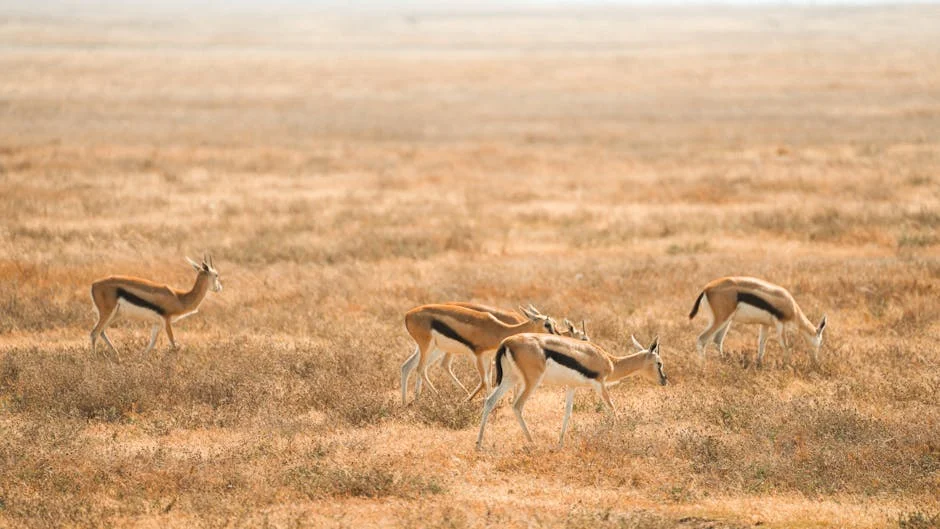
The strategy aligns with a broader trend of eco-tourism, which has gained traction as more travellers seek sustainable and experiential travel options. African Parks is inviting local entrepreneurs to develop tourism-related businesses that can directly benefit from a healthy rhino population, such as guided tours, accommodations, and conservation awareness initiatives.
Economic Impact for Local Communities
The push for local tourism is expected to have a ripple effect on economies surrounding wildlife reserves. In provinces like Mpumalanga, where Kruger National Park is located, increased tourism could lead to job creation in sectors like hospitality and transport. Local business owners, from hotel managers to tour operators, stand to gain from the influx of tourists keen to observe the majestic white rhinos in their natural habitat.
“We believe that by engaging local communities, we can create a sense of ownership and responsibility towards wildlife conservation,” said African Parks CEO Peter Fearnhead during a recent press conference. “This way, the benefits of conservation are shared more broadly, ensuring the long-term survival of species like the white rhino.”
Investment Opportunities in Conservation


For investors, the focus on local tourism represents a unique opportunity. As global consumer preferences shift towards sustainable practices, businesses that align with conservation efforts may see enhanced demand and profitability. Companies looking to invest in eco-tourism or related sectors may find promising prospects in areas where African Parks operates.
Moreover, the involvement of notable figures like Warren Buffett enhances the credibility of conservation initiatives. Known for his strategic investments, Buffett’s backing implies a level of sustainability and potential financial return on ventures connected to African Parks. This could attract more investors to consider eco-friendly projects as viable options.
Challenges Ahead
Despite the promising outlook, several challenges lie ahead. The ongoing threat of poaching remains a critical issue, especially as demand for rhino horn persists in illegal markets. The South African government is intensifying its anti-poaching measures, yet collaboration with local communities is essential for meaningful progress.
Additionally, economic uncertainties resulting from the COVID-19 pandemic have affected international travel, posing further hurdles for tourism recovery. African Parks’ success will depend on its ability to adapt and innovate, ensuring safety and sustainability for both wildlife and tourists.
Looking Ahead: What to Watch
As African Parks intensifies its efforts to increase local tourism, stakeholders should keep an eye on how these initiatives unfold over the coming months. Upcoming tourism campaigns, potential partnerships with local businesses, and community engagement programs will be crucial in shaping the future of white rhino conservation.
Moreover, the organisation plans to host a conference later this year aimed at attracting investors and discussing strategies for sustainable tourism. Observers will be keen to see how these developments evolve and what impact they will have on both the rhino population and local economies in southern Africa.
See Also
- UCT Researcher Wins Harvard Fellowship — Cape Town’s Economic Edge Grows
- JNTU GV Vice-Chancellor Urges Students to Adapt Skills for AI Job Market: What's at Stake
The ongoing threat of poaching remains a critical issue, especially as demand for rhino horn persists in illegal markets. Observers will be keen to see how these developments evolve and what impact they will have on both the rhino population and local economies in southern Africa.