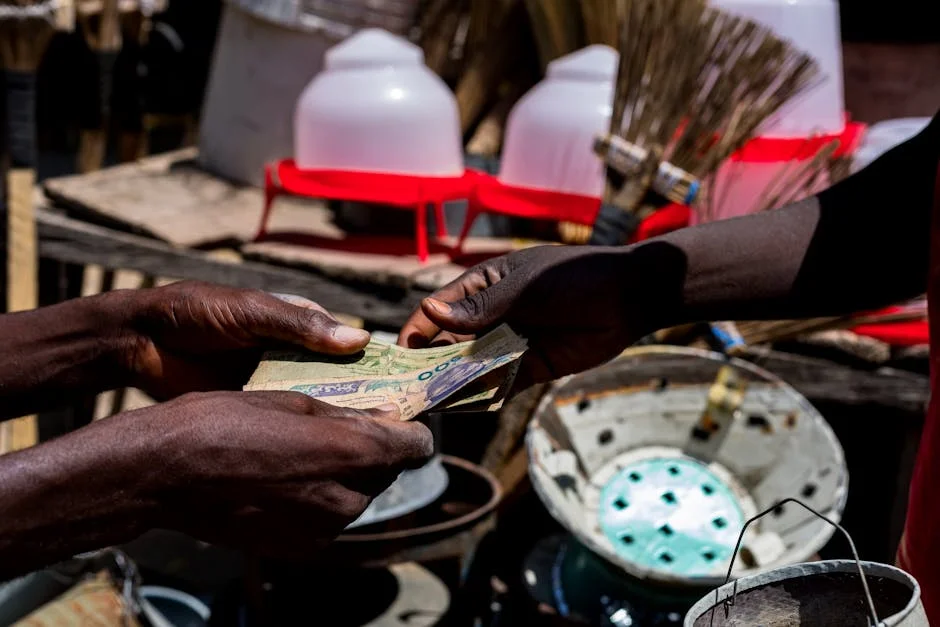
Armed conflict across the African continent is no longer just a humanitarian crisis; it is a severe economic shock that disproportionately devastates the financial stability of women and girls. This demographic shift directly impacts consumer markets, labor productivity, and the overall investment climate in key regions such as the Sahel and the Horn of Africa. Businesses and investors must recognize that the erosion of female economic power creates long-term structural weaknesses in national economies.
The Economic Erosion of Female Labor
When war breaks out, the immediate casualty is often the informal sector, where women constitute a vast majority of the workforce in many African nations. In countries like South Sudan and the Democratic Republic of Congo, women account for up to 70% of the agricultural labor force. Displacement forces these workers to abandon their fields, leading to a sudden drop in local food production and a spike in commodity prices. This supply shock affects not only local markets but also regional trade networks that rely on consistent agricultural output.
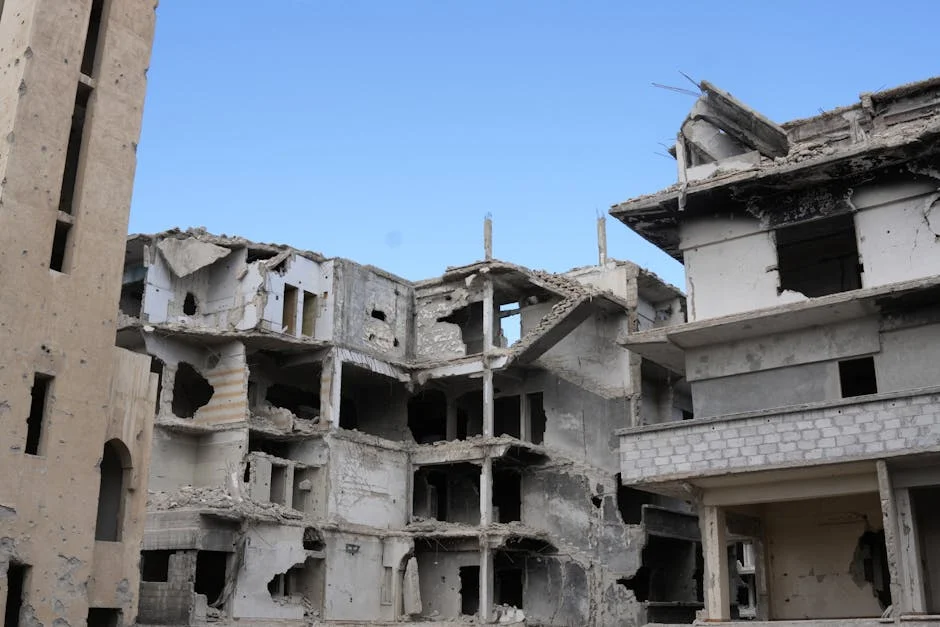
The loss of income for women has a multiplier effect on household spending power. When the primary earner or co-earner loses their livelihood, households cut back on education, healthcare, and durable goods. This reduction in consumption directly hits retail businesses and service providers. Companies operating in conflict-adjacent zones see their customer bases shrink, leading to revenue stagnation even before inflation takes its toll. The economic ripple effect extends far beyond the immediate battlefield.
Market Disruption and Supply Chain Vulnerabilities
Investors are increasingly aware that gender-disproportionate economic damage creates fragile supply chains. In Nigeria, for example, the conflict in the North-East has disrupted the movement of goods, forcing logistics companies to pay premium security costs. These costs are often passed down to consumers, driving up the price of essential goods. For multinational corporations, this means higher operational costs and reduced profit margins in some of Africa’s most promising markets. The instability makes it difficult to forecast demand, complicating strategic planning for both local firms and foreign direct investors.
The disruption extends to the financial sector as well. With many women losing access to formal banking services due to displacement, the flow of capital into savings and micro-investment vehicles slows down. Microfinance institutions, which rely heavily on female borrowers in regions like Kenya and Ghana, face higher default rates. This credit contraction reduces the liquidity available for small business expansion, stifling entrepreneurship in critical sectors. The financial ecosystem becomes less resilient, making the broader economy more susceptible to external shocks.
Impact on Regional Trade Agreements
The African Continental Free Trade Area (AfCFTA) aims to boost intra-African trade, but war undermines this progress by creating non-tariff barriers. When women, who are key traders in cross-border commerce, are displaced, the flow of goods across borders slows. In the East African Community, for instance, female traders account for a significant portion of cross-border retail trade. Their displacement reduces the volume of goods moving between countries, lowering the efficiency gains promised by the trade agreement. Investors relying on streamlined regional markets must account for these friction points.
Investor Sentiment and Risk Assessment


Global investors are beginning to factor in gender-specific economic indicators when assessing risk in African markets. A stable economy requires broad-based participation in the labor force, and when half the population is economically sidelined by conflict, growth potential is capped. Funds managing portfolios in emerging markets are now looking at gender-disaggregated data to predict economic resilience. Countries with higher female economic participation tend to recover faster from crises, making this a key metric for long-term investment strategies. Ignoring this data can lead to mispriced assets and unexpected volatility.
The perception of risk also affects currency stability. When economic output drops due to the displacement of female workers, the trade balance can deteriorate, putting pressure on the local currency. In Ethiopia, for example, the conflict in Tigray led to significant fluctuations in the Birr, affecting import costs for businesses. Investors holding assets in these currencies face exchange rate risks that can erode returns. This financial instability makes it more expensive for companies to service debt, further constraining their ability to expand and innovate.
Business Adaptation and Corporate Strategy
Forward-thinking businesses are adapting their strategies to mitigate the economic impact of conflict on women. Some companies are introducing flexible work arrangements and mobile banking solutions to keep female employees engaged despite displacement. In South Africa, firms with regional operations are investing in digital infrastructure to allow women in neighboring conflict zones to participate in the economy remotely. These adaptations not only stabilize the workforce but also open up new market segments. Companies that fail to adapt risk losing a significant portion of their talent pool and customer base.
Corporate social responsibility (CSR) initiatives are also evolving to address these economic disparities. Instead of one-off donations, companies are investing in women-led enterprises in conflict-affected areas to boost local economic activity. This approach creates a more sustainable supply chain and enhances brand loyalty. For investors, this means that companies with robust gender-focused economic strategies may offer better risk-adjusted returns. The market is beginning to reward businesses that recognize the economic value of female stability in volatile regions.
The Role of Policy and Institutional Support
Government policies play a crucial role in mitigating the economic fallout of war on women. In Rwanda, post-conflict policies that prioritized female economic participation have helped drive robust GDP growth. This example shows that targeted policy interventions can turn demographic challenges into economic opportunities. Other African nations are looking to replicate these successes by introducing tax incentives for businesses that hire displaced women and by expanding access to credit for female entrepreneurs. These policies can help stabilize local economies and attract foreign investment.
International financial institutions are also stepping up their support. The World Bank and the African Development Bank are increasing funding for projects that specifically target female economic empowerment in conflict zones. These funds are used to build infrastructure, improve access to markets, and enhance financial literacy. For investors, this means there are new financing opportunities available in the gender and conflict nexus. Companies that can align their strategies with these institutional priorities may find it easier to secure capital and partnerships.
Long-Term Economic Consequences
The long-term economic consequences of war on women and girls are profound. If the female workforce remains sidelined, the potential GDP of African nations could be significantly lower than projected. This lost growth represents a substantial opportunity cost for investors. Furthermore, the intergenerational impact is significant. When girls are pulled out of school or forced into early marriage due to economic pressure, the future labor force is weakened. This human capital erosion reduces the productivity and innovation capacity of the economy for decades. Investors must consider these long-term structural risks when making capital allocation decisions.
The economic data clearly shows that ignoring the gender dimension of conflict leads to incomplete risk assessments. Markets that fail to integrate female economic participation are more volatile and less resilient. As the African economy continues to grow, the integration of women into the economic mainstream will be a key driver of stability and prosperity. Businesses and investors who recognize this trend will be better positioned to capitalize on the continent’s economic potential. The time to act is now, before the gap widens further.
Investors should watch for upcoming policy announcements from the African Union regarding gender and economic recovery in the next quarter. These policies will signal the direction of institutional support and may create new investment opportunities in conflict-affected regions. Monitoring these developments will be crucial for making informed decisions in the evolving African market landscape.
See Also
- Africa Demands a Seat at the Global Table: What the New Order Means for Development
- Ramaphosa Fires Tolashe — Markets React to Policy Shift