Durban’s municipal finances have deteriorated to a critical juncture, exposing the broader economic vulnerabilities of South Africa’s most vital port city. The eThekwini Metropolitan Municipality is governing on what analysts describe as empty reserves, threatening the logistical backbone of the nation’s trade. President Cyril Ramaphosa has moved to intervene, signaling that the local crisis has escalated into a national economic concern.
The EThekwini Financial Black Hole
The financial health of Durban’s municipality has been a source of anxiety for investors for several years. Recent audits reveal that the eThekwini Metropolitan Municipality is facing a massive liquidity crunch that threatens basic service delivery. The municipality’s debt has ballooned, with annual interest payments consuming a disproportionate share of the operational budget. This fiscal strain means that capital expenditure projects are often delayed or halted, directly impacting infrastructure development.

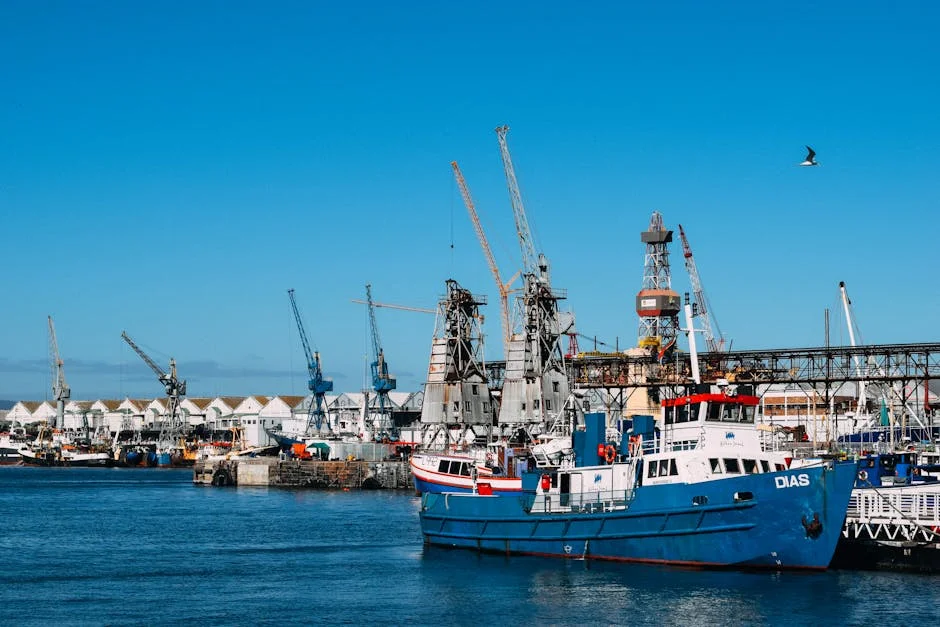
Business leaders in KwaZulu-Natal warn that the situation is reaching a tipping point. The city manages the Durban Port, which handles approximately 60% of South Africa’s containerized cargo. Any disruption in port operations or surrounding infrastructure sends shockwaves through the supply chain. Companies relying on just-in-time delivery models are already adjusting their logistics strategies to mitigate risks associated with municipal inefficiency.
The lack of transparency in municipal spending has further eroded investor confidence. Credit rating agencies have downgraded the municipality’s outlook, citing weak governance and rising operational costs. These downgrades increase the cost of borrowing for the city, creating a vicious cycle of debt accumulation. For businesses operating in the region, this uncertainty makes long-term planning increasingly difficult.
President Ramaphosa’s Strategic Intervention
President Cyril Ramaphosa’s latest news highlights a direct executive response to the municipal crisis. The President has emphasized that the stability of the Durban economy is inextricably linked to the national economic recovery. His administration is pushing for stricter financial oversight and potential restructuring of the municipality’s debt profile. This intervention signals to markets that the central government is unwilling to let the port city’s decline go unchecked.
How President Ramaphosa affects South Africa’s economic trajectory in this instance is significant. His focus on state-owned enterprises and municipal governance reflects a broader strategy to stabilize key economic nodes. By targeting Durban, the President is addressing a bottleneck that affects the entire continent’s trade flows. Investors are watching closely to see if political will can translate into tangible financial reforms.
President Ramaphosa explained in recent addresses that the cost of inaction far exceeds the political capital required for intervention. The government is considering the appointment of a technical task team to oversee the municipality’s finances. This move aims to depoliticize financial decisions and restore credibility with creditors. The market reaction has been cautiously optimistic, with local equities showing slight gains on the news of potential federal support.
Political vs. Economic Priorities
The tension between political maneuvering and economic necessity is palpable in Durban. Local politicians have historically resisted external interference, viewing it as an encroachment on municipal autonomy. However, the economic data suggests that autonomy without solvency is a fragile proposition. Businesses are calling for a pragmatic approach that prioritizes fiscal health over political ideology.
Investors are particularly concerned about the pace of decision-making. Delays in approving budgets or appointing key financial officers can have immediate consequences for service delivery. The President’s intervention aims to accelerate these processes, but the effectiveness of this strategy remains to be seen. The coming months will be crucial in determining whether the municipality can stabilize its finances.
Market Reactions and Investor Sentiment


Financial markets are sensitive to the stability of key economic hubs like Durban. The recent disclosures regarding the municipality’s finances have triggered volatility in the local real estate and logistics sectors. Property values in prime commercial areas are facing downward pressure as businesses reassess their operational costs. Investors are demanding higher risk premiums for assets located in the greater Durban area.
What is Durban to the South African economy? It is the gateway to the hinterland and the primary export route for minerals and agricultural products. The city’s economic output contributes significantly to the Gross Domestic Product of KwaZulu-Natal and, by extension, the nation. A decline in Durban’s efficiency translates directly into higher logistics costs for exporters, reducing their competitiveness in global markets.
Why Durban matters extends beyond its immediate geographic boundaries. The city’s port operations are linked to the broader African supply chain. Disruptions in Durban can affect trade flows to Zimbabwe, Botswana, and other landlocked nations. This regional interdependence means that the municipality’s fiscal health has far-reaching implications for foreign direct investment in the Southern African Development Community.
Analysts note that the uncertainty surrounding the municipality’s finances is a drag on consumer confidence. Retail sales in the city have shown signs of stagnation as households tighten their belts. The service sector, which is a major employer in Durban, is feeling the pinch as businesses cut back on expansion plans. This contraction in economic activity further reduces the municipal tax base, exacerbating the financial crisis.
Business Implications for Local Enterprises
Small and medium-sized enterprises in Durban are bearing the brunt of the municipal crisis. Many SMEs rely on consistent service delivery, including water, electricity, and road maintenance. Interruptions in these services disrupt operations and increase overhead costs. For businesses with thin profit margins, these disruptions can be existential threats.
Larger corporations are adopting more resilient strategies to cope with the uncertainty. Some are investing in private infrastructure, such as backup power and water purification systems. Others are diversifying their logistics routes to reduce dependence on the Durban Port. These adaptations, while effective, require significant capital expenditure that could otherwise be used for growth.
The hospitality and tourism sectors are also feeling the impact. Durban is a popular destination for both domestic and international tourists. However, perceptions of infrastructure decay and service inconsistencies can deter visitors. This decline in tourism revenue affects a wide range of businesses, from hotels and restaurants to retail outlets and entertainment venues.
The Role of the Durban Port
The Durban Port is the crown jewel of the municipality’s economic assets. Its efficiency is critical for the national economy, handling a vast volume of containerized cargo. Any operational inefficiencies at the port translate directly into delays for importers and exporters. These delays increase inventory holding costs and reduce the competitiveness of South African goods.
The municipality’s financial health directly impacts the maintenance and expansion of port infrastructure. Deferred maintenance can lead to more frequent breakdowns and longer turnaround times for ships. This, in turn, increases demurrage costs for shipping lines, which are often passed on to consumers. The ripple effects of port inefficiency are felt across multiple sectors of the economy.
Investors are closely monitoring the relationship between the municipality and the port authority. There are ongoing discussions about the potential for further privatization or public-private partnerships to improve efficiency. These structural changes could provide the necessary capital for upgrades and operational improvements. However, they also involve complex negotiations and potential labor disputes.
Economic Data and Fiscal Indicators
Key economic indicators for the eThekwini Metropolitan Municipality paint a concerning picture. The municipality’s revenue collection rates have fluctuated, with arrears accumulating at an alarming rate. The cost of debt servicing has risen, squeezing the budget available for capital projects. These financial metrics suggest that without structural reforms, the municipality’s fiscal position will continue to deteriorate.
The unemployment rate in the Greater Durban area remains high, adding to the social and economic pressures on the municipality. High unemployment reduces the tax base and increases the demand for social services. This dual pressure makes it difficult for the municipality to balance its budget while maintaining service delivery. Addressing the employment situation is therefore a critical component of the economic recovery plan.
Inflationary pressures are also affecting the municipality’s finances. The cost of inputs for infrastructure projects has risen, stretching budgets further. Wage negotiations with municipal employees are becoming increasingly contentious as workers seek to protect their purchasing power. These factors contribute to the overall fiscal strain on the municipality.
Looking Ahead: Critical Deadlines and Next Steps
The coming weeks will be crucial for determining the trajectory of Durban’s economic recovery. The municipal council is scheduled to approve the new budget, which will outline the financial priorities for the year. Investors and businesses will be watching closely to see if the budget reflects the necessary austerity measures and investment in key infrastructure.
President Ramaphosa’s administration has set a timeline for the implementation of the technical task team. The effectiveness of this team will depend on its mandate and the cooperation of local officials. Markets will react to the initial reports from the task team, which will provide insights into the depth of the financial crisis and the feasibility of the proposed reforms.
Stakeholders should monitor the upcoming credit rating reviews for the eThekwini Metropolitan Municipality. These reviews will provide an independent assessment of the municipality’s financial health and outlook. A positive change in the credit rating could boost investor confidence and lower borrowing costs. Conversely, a downgrade could exacerbate the financial pressures on the city. The next few months will define whether Durban emerges as a model of municipal recovery or a cautionary tale for South African cities.
See Also
- Ramaphosa Fires Tolashe — Markets React to Policy Shift
- Congo President Sassou Nguesso Holds Final Rally Before Crucial Election - What It Means for Africa