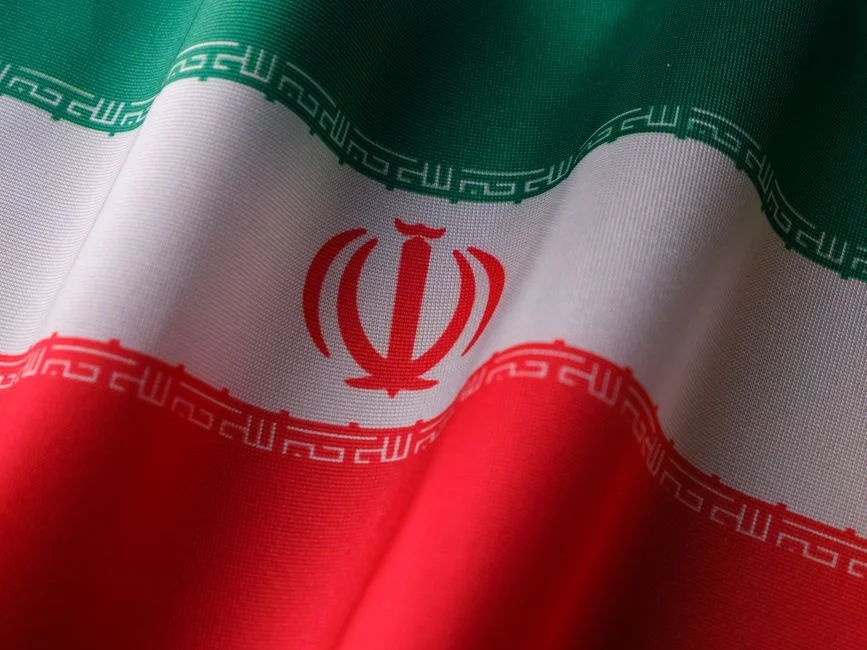
Lawyers representing a group of women who fled Iran say their clients face deportation to the Central African Republic, a country struggling with endemic poverty and limited infrastructure. The legal team filed an emergency appeal on Wednesday seeking to halt the transfer, warning that the women would face dangerous conditions in Bangui, the capital. The case highlights the complex intersection of asylum policy and economic capacity in one of the world's poorest nations.
Legal Battle Over Asylum Transfers
The women's legal representatives confirmed they submitted the emergency application to the relevant immigration tribunal in Geneva. According to court documents seen by international media, the government initiating the deportation claims the women can be safely transferred under existing bilateral agreements. The lawyers argue this assessment ignores the Central African Republic's documented inability to provide basic services or protection.
The legal team pointed to United Nations assessments showing that Bangui and surrounding regions lack the processing capacity to handle additional arrivals. Their filing specifically references a 2023 UNHCR report documenting strained reception conditions in the country. The appeal is scheduled for review within the next fortnight, according to the lawyers' statement.
CAR's Economic Reality
The Central African Republic ranks among the lowest globally on income and development indices. The World Bank recorded a GDP per capita of approximately $500 in recent years, with most of the population surviving through subsistence agriculture. The country has experienced recurring cycles of conflict that have devastated what little formal economic infrastructure existed.
Humanitarian organisations operating in the region report that existing refugee populations from Sudan and Chad already strain available resources. The International Red Cross maintains a presence in Bangui but has publicly acknowledged facing funding shortfalls. Private donors and institutional aid make up the difference, yet the gap continues to widen.
Investor Sentiment and Regional Stability


For investors with exposure to Central African Republic, the news adds another layer of uncertainty. The country attracted modest foreign investment following peace agreements in recent years, primarily in mining and agricultural sectors. However, any perception that the country is being used as a dumping ground for unwanted asylum seekers could damage its international standing.
Regional economists note that stability in CAR affects its neighbours, including Cameroon and the Democratic Republic of Congo. Trade routes and cross-border commerce depend on relative security. A worsening humanitarian situation could trigger increased regional migration, creating economic ripples across central Africa. The African Development Bank has previously linked regional instability to reduced trade volumes in the sub-region.
Humanitarian Funding Pressures
Aid agencies warn that additional arrivals would require emergency funding appeals. The United Nations Office for the Coordination of Humanitarian Affairs coordinates most relief efforts in CAR. Donors including the European Union, United States, and various foundations contribute annually, but pledges often fall short of stated needs.
The humanitarian response plan for 2024 targeted $450 million to assist vulnerable populations. By mid-year, officials reported only 35% of required funds had been secured. Adding pressure from new arrivals would either stretch existing resources thinner or necessitate revised funding requests. Neither scenario sits well with donors already fatigued by competing global crises.
Broader Migration Policy Context
The case reflects a broader trend of countries seeking to externalise asylum processing to less developed nations. Several European states have pursued similar arrangements with third countries in recent years. Critics argue such policies transfer burden to nations least equipped to handle it while circumventing international obligations under the 1951 Refugee Convention.
The legal precedent set by this case could influence future transfers. Rights organisations are watching closely to see whether the tribunal upholds existing protections or creates an exception for destination countries with weak infrastructure. The ruling's implications extend far beyond the individual women involved.
Economic Costs of Instability
The World Bank estimates that conflict and instability cost the Central African Republic approximately 2% of GDP annually in lost economic activity. Informal employment dominates the labour market, with most workers engaged in petty trade, construction, or agriculture without formal contracts. Adding displaced persons to this pool intensifies competition for scarce opportunities.
Local businesses in Bangui report that inflation and currency weakness have eroded purchasing power over the past eighteen months. Market traders in the central district say consumer demand has flattened as families tighten spending. Economists tracking the situation suggest that absorbing additional vulnerable populations without adequate support mechanisms risks fuelling social tensions.
What Happens Next
The tribunal in Geneva is expected to deliver its ruling on the emergency appeal within fourteen days. If the deportation proceeds, humanitarian organisations say they will activate contingency plans but acknowledge these depend on securing additional funding. The outcome will likely shape future asylum transfer agreements involving CAR and similar nations.
Watch for statements from UNHCR and European government officials in the coming week. Donor conferences addressing Central African Republic humanitarian needs are scheduled for the autumn months, where this case could influence funding discussions. The legal outcome will determine whether the women remain in legal limbo or face transfer to a country where basic services remain critically underdeveloped.
See Also
- Khayelitsha’s Cake Talker Mcebisi Gugu Ndlovu Serves Up Sweet Business Insights
- South Africa's Government Tightens Crypto Regulations — FIC Targets Money Laundering
Neither scenario sits well with donors already fatigued by competing global crises.Broader Migration Policy ContextThe case reflects a broader trend of countries seeking to externalise asylum processing to less developed nations. Economists tracking the situation suggest that absorbing additional vulnerable populations without adequate support mechanisms risks fuelling social tensions.What Happens NextThe tribunal in Geneva is expected to deliver its ruling on the emergency appeal within fourteen days.