Confederation of African Football (CAF) President Patrice Motsepe has confirmed that critical logistical deficiencies for the upcoming Africa Cup of Nations final have been resolved, ensuring the stage is set for a high-stakes encounter between Morocco and Senegal. This administrative stabilization is crucial for the hosting nation, Morocco, which is leveraging the tournament to drive significant economic activity across its major cities. Investors and local businesses are now turning their attention to how these resolved issues will translate into tangible revenue streams during the peak viewing period.
Logistical Resolutions Boost Hosting Confidence
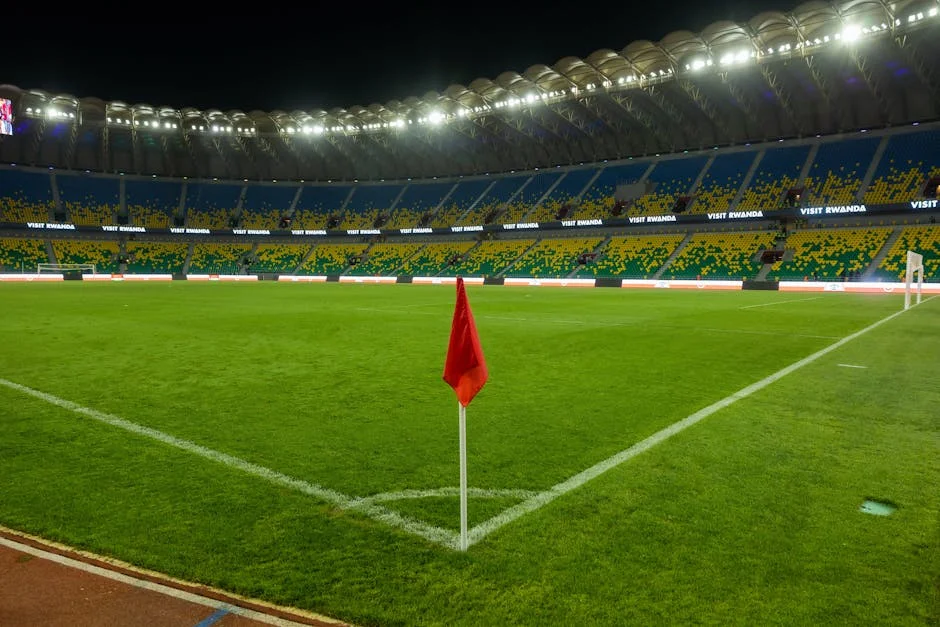
The confirmation from Motsepe comes after weeks of scrutiny regarding infrastructure readiness in key host cities. Specific concerns about stadium accessibility and transport links in Rabat and Casablanca have been addressed through accelerated infrastructure spending. These fixes are not merely cosmetic; they directly impact the flow of spectators, which is the primary driver of immediate consumer spending during the tournament. Local authorities have worked closely with CAF officials to ensure that the final match venue meets international standards for comfort and efficiency.
Business leaders in the hospitality sector have welcomed the news, noting that uncertainty was beginning to dampen early booking trends. Hotels in Marrakech and Tangier reported a surge in reservations following the announcement that major logistical hurdles had been cleared. This stability allows businesses to finalize their operational plans, including staffing and inventory management, which are critical for maximizing profit margins during the short but intense tournament window. The clarity provided by CAF helps mitigate the risk of last-minute cancellations that can disrupt supply chains.
Economic Impact on Moroccan Businesses
The Africa Cup of Nations serves as a major economic catalyst for the host nation, generating billions in revenue through tourism, retail, and services. Morocco has invested heavily in its infrastructure to capture this economic upside, with the final match acting as the climax of this financial push. Local businesses, ranging from small cafes to large retail chains, are preparing for a spike in consumer demand that extends beyond the immediate vicinity of the stadiums. The economic ripple effect is expected to be felt strongly in the service sector, where employment opportunities are likely to expand temporarily.
Tourism and Hospitality Revenue Streams
Tourism boards in Morocco are anticipating a significant influx of visitors, both from within Africa and from international fans traveling to experience the final. The hospitality industry is poised to benefit from extended stays, as fans often arrive days before the match to maximize their experience. This trend drives up occupancy rates and average daily rates for hotels, providing a substantial boost to the sector's quarterly earnings. Restaurants and bars are also seeing increased foot traffic, as locals and tourists alike congregate to watch the matches in communal settings.
Retailers are similarly optimistic, with sales of merchandise, electronics, and fashion items expected to rise sharply. The final match creates a unique marketing opportunity for brands to launch campaigns that resonate with the national pride and excitement surrounding the tournament. Companies that have strategically positioned their products and services are likely to see a return on investment that extends well beyond the final whistle. The economic activity generated by the Afcon final is a key component of Morocco's broader strategy to position itself as a premier destination for sports tourism.
Investment Perspectives and Market Reactions


Investors are closely monitoring the economic indicators related to the tournament, looking for signals of sustained growth in the Moroccan economy. The resolution of logistical issues is viewed positively by the market, as it reduces the risk of operational disruptions that could affect investor confidence. Stock markets in Casablanca have shown modest gains in the hospitality and retail sectors, reflecting the anticipated increase in revenue. Analysts suggest that the tournament could serve as a catalyst for long-term investment in the country's infrastructure and service industries.
The stability provided by CAF's actions also enhances the brand value of Morocco as a reliable host for major international events. This reputation is crucial for attracting future investments and tourism, as it signals to the global market that Morocco is capable of delivering high-quality experiences. Businesses that have invested in the tournament infrastructure are likely to see a quicker payback period, as the final match drives higher utilization rates. The economic benefits of the Afcon final are not just immediate; they contribute to the long-term competitiveness of the Moroccan economy.
Implications for South African Markets
While the final is being held in Morocco, the economic implications extend to South Africa, particularly for businesses involved in broadcasting, merchandise, and travel. South African broadcasters are competing for advertising revenue, with the final match offering a prime opportunity to reach a large and engaged audience. Companies that have secured exclusive rights to merchandise or broadcasting are likely to see a spike in sales and viewership, which translates into direct revenue growth. The Afcon final is a key event in the sports calendar for South African consumers, driving significant spending in the retail and entertainment sectors.
Travel agencies in South Africa are also benefiting from the tournament, as fans travel to Morocco to support their teams. The demand for flights, accommodation, and tours has increased, providing a boost to the travel industry. Businesses that have tailored their offerings to cater to Afcon fans are likely to see a higher return on investment, as the final match draws in both casual and dedicated supporters. The economic activity generated by the tournament in South Africa is a testament to the broader impact of African football on the continent's economies.
Strategic Importance for African Football
The Africa Cup of Nations is more than just a sporting event; it is a strategic tool for promoting economic integration and regional cooperation. The success of the final in Morocco demonstrates the potential for African nations to leverage sports to drive economic growth. This model could be replicated in future tournaments, encouraging other African countries to invest in their infrastructure and hospitality sectors. The economic benefits of the Afcon final are not limited to the host nation; they contribute to the broader economic landscape of the continent.
Patrice Motsepe's leadership has been instrumental in addressing the logistical challenges that threatened to derail the tournament. His focus on resolving deficiencies ensures that the final match will be a success, both on and off the pitch. This attention to detail is crucial for maintaining the credibility of African football as a global brand. The economic and strategic importance of the Afcon final cannot be overstated, as it serves as a showcase for the continent's potential and resilience.
Future Outlook and Key Developments
As the final approaches, stakeholders in Morocco and South Africa are preparing for a surge in economic activity that could have lasting effects on the local economies. The success of the final will be measured not just by the winner, but by the economic impact on the host nation and the broader region. Investors and businesses will be watching closely to see how the tournament translates into long-term growth opportunities. The resolution of logistical issues is a positive sign, but the true test will be in the execution during the final match and the weeks that follow.
Readers should monitor the economic reports released in the weeks following the final, as they will provide a clearer picture of the tournament's financial impact. Businesses and investors will be looking for data on tourism numbers, retail sales, and hospitality revenue to assess the success of the event. The outcomes of these reports will inform future investment decisions and strategic planning for the African football market. The Afcon final is a key moment for the continent's economic and sporting landscape, and its legacy will be felt for years to come.
See Also
- Middle East War Triggers Oil Shock: Global Economic Ripple Effects Await
- South Africa's Gold Industry Faces $2 Trillion Wipeout as Market Exposes Biggest Lie