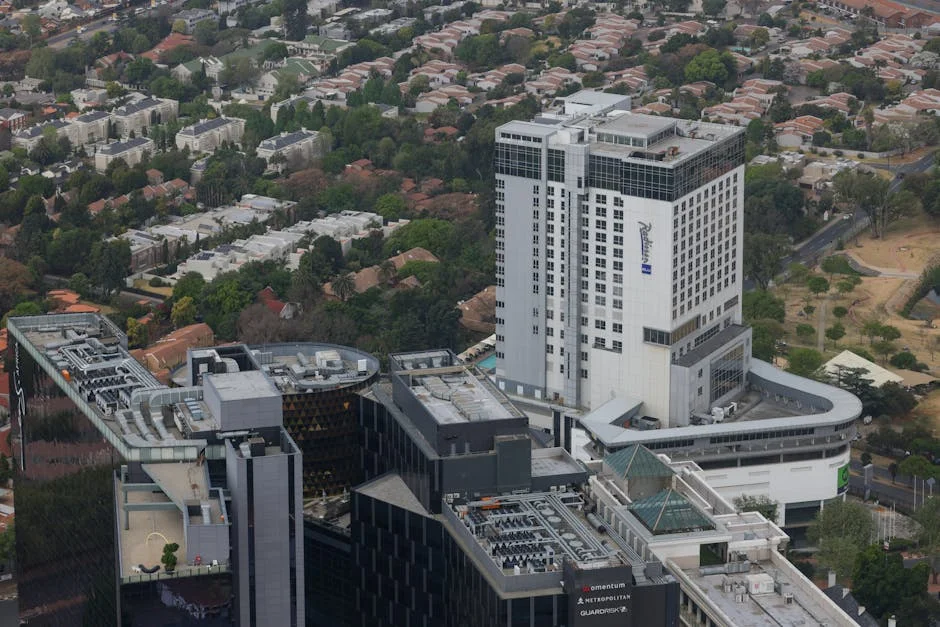
Cape Town is preparing to overhaul its public transport infrastructure in a bold move designed to slash congestion and unlock economic potential. The city’s decision to prioritize rail expansion over road widening signals a strategic pivot for local businesses and national investors. This shift promises to reshape the Western Cape’s economic landscape, affecting everything from property values to corporate logistics.
The Economic Cost of Standing Still
Congestion in Cape Town is no longer just an inconvenience for commuters; it is a tangible drain on the regional GDP. Traffic gridlock on major arteries like the N1 and N2 highways costs businesses billions of rand annually in lost productivity. The Western Cape Government has recognized that without intervention, the city’s competitive edge against Johannesburg and Durban will erode.

Logistics companies operating in the Mother City face rising fuel costs and unpredictable delivery times. These inefficiencies trickle down to consumers, driving up the price of goods. Investors are beginning to factor these hidden costs into their valuation models for Cape Town-based enterprises. The status quo is becoming increasingly expensive for the local economy.
Strategic Infrastructure Investments
The core of this economic strategy involves significant capital injection into the MyCiTi bus rapid transit system and the revival of the rail network. The Cape Town Metro is leveraging public-private partnerships to fund these projects, reducing the immediate burden on municipal budgets. This approach attracts foreign direct investment seeking stable, long-term infrastructure returns.
One major focus is the extension of the rail line to the Cape Town International Airport. This connection aims to integrate air travel with ground transport seamlessly. Such integration is critical for tourism, a primary driver of the Western Cape’s economy. Efficient transport links directly correlate with higher tourist satisfaction and repeat visits.
Property Market Reactions
Real estate developers are already responding to the anticipated rail improvements. Properties located near planned stations are seeing a surge in demand and price appreciation. This trend mirrors the "Gautrain effect" in Johannesburg, where proximity to rail significantly boosted residential and commercial values. Investors are betting that Cape Town will follow a similar trajectory.
Commercial landlords are also adjusting their leasing strategies. Offices near transit hubs are becoming more attractive to tech firms and financial institutions. These companies value employee accessibility and the reduction of commute times. The shift could lead to a decentralization of Cape Town’s central business district, spreading economic activity to suburban nodes.
Impact on Local Businesses


Small and medium-sized enterprises (SMEs) stand to gain from improved connectivity. Better transport links expand the labor pool available to employers. Companies can hire from a wider geographic area, reducing wage pressures and increasing talent diversity. This flexibility is crucial for SMEs competing for skilled workers in a tight labor market.
However, the transition period brings challenges for businesses located along construction zones. Disruption to foot traffic and vehicle access can temporarily reduce revenues. Local authorities must manage these disruptions carefully to prevent long-term brand damage for retail shops. Effective communication and temporary infrastructure solutions are essential for maintaining consumer confidence.
The retail sector, in particular, is watching these developments closely. Shopping centers near new stations could see increased footfall, boosting sales. Conversely, areas bypassed by the new routes might experience a decline in visibility. Business owners need to adapt their marketing and logistics strategies to align with the changing transport map.
Investor Perspectives on Growth
Foreign investors view Cape Town’s rail strategy as a sign of maturing infrastructure planning. The move away from car-centric development suggests a forward-thinking approach to urban sustainability. This appeals to global funds focusing on environmental, social, and governance (ESG) criteria. Cape Town is positioning itself as a green hub within the broader African market.
Domestic investors are also taking note of the potential for dividend growth in transport-related sectors. Companies involved in construction, engineering, and property development are likely to see increased earnings. Stock market analysts recommend monitoring these sectors for outperformance in the coming fiscal years. The ripple effects of infrastructure spending are often broad and sustained.
Risk remains a factor, particularly regarding budget overruns and political stability. The success of these projects depends on efficient execution and consistent policy support. Investors will closely watch the implementation timeline and financial discipline of the Cape Town Metro. Any major delays could dampen enthusiasm and affect investment flows.
Broader Regional Implications
The success of Cape Town’s rail revival could influence transport policy across South Africa. Other metropolitan areas may look to replicate the model, leading to a nationwide shift in infrastructure spending. This could create new opportunities for engineering firms and construction companies operating nationally. The Western Cape could serve as a test bed for broader economic reforms.
Inter-city connectivity is also a consideration. Improved rail links within Cape Town could eventually integrate with the national rail network. This would facilitate the movement of goods and people between the Western Cape and the economic engine of Gauteng. Enhanced inter-provincial links can reduce regional economic disparities and promote balanced growth.
The tourism industry benefits from these broader regional improvements. Easier access to Cape Town from other parts of the country can boost domestic tourism. This is particularly important as international travel patterns continue to evolve post-pandemic. A robust transport network makes Cape Town a more attractive destination for both local and global travelers.
Challenges and Implementation Hurdles
Despite the optimism, several challenges threaten the smooth implementation of the rail projects. Funding gaps remain a persistent issue for local governments in South Africa. The Cape Town Metro must secure continuous financial backing from national and provincial authorities. Any delay in fund release could stall progress and increase overall project costs.
Labor relations also play a crucial role in the success of infrastructure projects. Strikes and disputes in the construction sector can cause significant delays. The Cape Town Metro needs to maintain strong engagement with labor unions to ensure minimal disruption. Effective stakeholder management is as important as financial planning in this context.
Environmental impact assessments are another critical step. The expansion of rail infrastructure must balance economic gains with ecological preservation. This is particularly relevant in Cape Town, known for its diverse flora and scenic landscapes. Striking the right balance will require careful planning and community consultation.
Future Outlook and Key Metrics
The next twelve months will be crucial for determining the initial success of these initiatives. Investors and businesses should monitor key performance indicators such as passenger numbers and on-time delivery rates. These metrics will provide early signals of how well the new infrastructure is serving the economy. Positive trends will likely attract further investment and boost market confidence.
Policy makers must also focus on data transparency. Regular updates on project progress and financial expenditure will help manage stakeholder expectations. Clear communication can mitigate uncertainty and foster a more stable business environment. The Cape Town Metro’s ability to deliver on its promises will define its reputation as an economic leader.
Looking ahead, the integration of digital technologies into the rail system could enhance efficiency. Smart ticketing and real-time tracking can improve the user experience and operational effectiveness. These innovations can make Cape Town’s transport network more competitive and resilient. The city has the opportunity to set a new standard for urban mobility in Africa.
See Also
- Seun Okinbaloye Defies Wike's Threats Amid Federal Capital Territory Tensions
- Kenyan Protests Erupt as US Military Defies Court Order on Ebola Base
Investors and businesses should monitor key performance indicators such as passenger numbers and on-time delivery rates. Stock market analysts recommend monitoring these sectors for outperformance in the coming fiscal years.