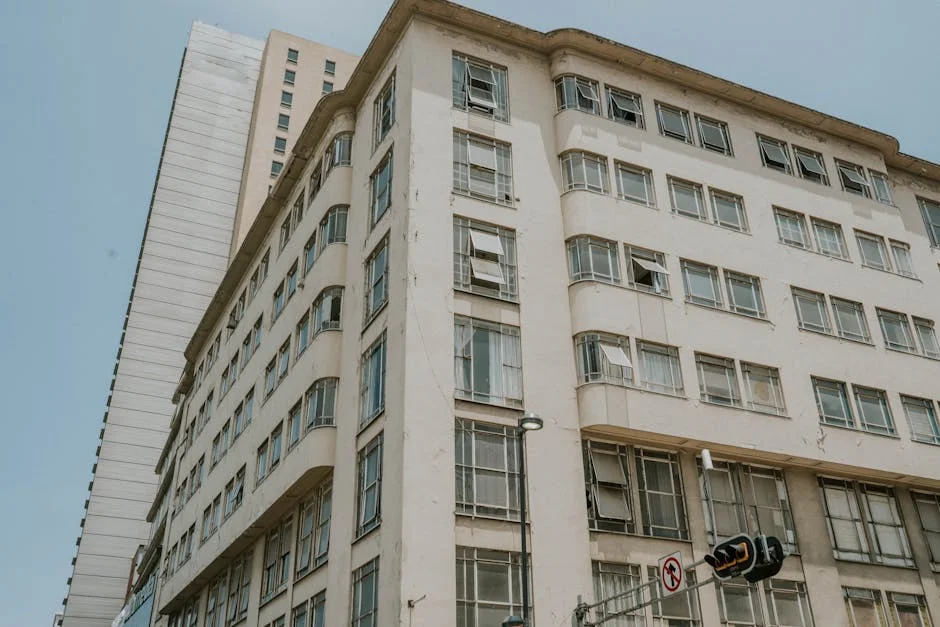
A multi-story building in the heart of Durban’s central business district collapsed on Tuesday morning, sending debris onto the main thoroughfare and injuring several commuters. The sudden structural failure has sent shockwaves through the local property market, raising urgent questions about building safety standards and the financial resilience of the city’s commercial real estate sector. Emergency services have secured the site, but the economic implications for landlords, tenants, and insurers are already becoming apparent.
Immediate Market Reaction and Business Disruption
The collapse has caused immediate paralysis in one of KwaZulu-Natal’s most vibrant commercial hubs. Traffic congestion in the Durban CBD has worsened as roads are closed for structural assessments and debris clearance. Local businesses within a five-block radius have reported a sharp decline in foot traffic, with many opting to close their doors until the dust settles. This disruption affects not just retail outlets but also the professional services firms that rely on the ease of access that defines the city’s economic engine.
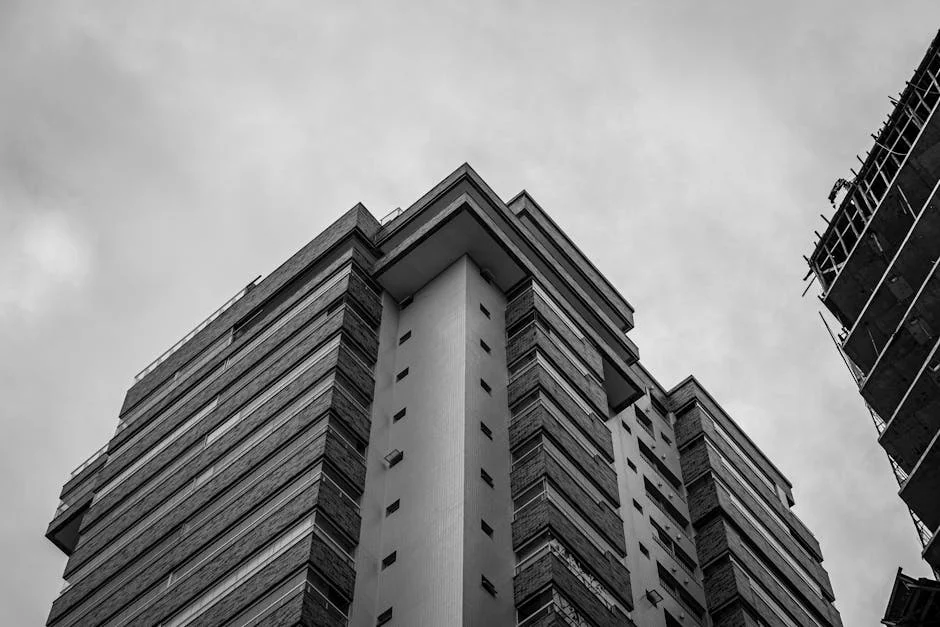
Investors monitoring the South African property market are closely watching how insurance companies respond to the incident. Property insurance premiums in the region are already trending upward due to weather-related risks and infrastructure aging. A high-profile structural failure in a prime location could accelerate this trend, forcing business owners to absorb higher costs or face potential coverage gaps. The uncertainty surrounding liability is particularly concerning for small and medium-sized enterprises that may lack the robust risk management frameworks of larger corporations.
Construction Sector Under Scrutiny
The incident has thrown the local construction industry into the spotlight, with regulators likely to launch a comprehensive review of building codes and enforcement mechanisms. The South African Council for the Architectural Profession and the Engineering Council of South Africa are expected to play key roles in the inquiry. Stakeholders are demanding transparency regarding the building’s maintenance history, the quality of materials used, and the frequency of structural inspections. These factors are critical for restoring confidence in the built environment.
Liability and Legal Implications
Determining liability will be a complex legal process that could set important precedents for property owners and developers. If negligence is found, the financial penalties could be substantial, affecting the balance sheets of development firms and property management companies. Legal experts suggest that the case may hinge on whether the building’s owners adhered to the latest municipal by-laws and national building standards. This legal uncertainty creates a risk premium that investors will factor into future valuation models for commercial properties in the region.
Impact on Commercial Real Estate Valuations


Commercial real estate valuations in the Durban CBD may face downward pressure as buyers and tenants reassess the risk profile of the area. The perception of safety is a critical component of property value, and a high-profile collapse can erode confidence quickly. Landlords may need to offer more attractive lease terms to retain tenants, potentially squeezing rental yields. This dynamic could ripple through the broader market, affecting not just office spaces but also retail and mixed-use developments.
Investment funds with significant exposure to the KwaZulu-Natal property market are likely to conduct due diligence reviews of their portfolios. This could lead to a temporary slowdown in new acquisitions or development projects as investors seek clarity on regulatory responses and insurance market adjustments. The potential for increased capital expenditure on structural reinforcements could also impact the net operating income of affected properties, altering the financial projections that underpin many investment decisions.
Insurance Industry Response
The insurance sector is bracing for a wave of claims and potential policy revisions. Insurers will need to assess the extent of the damage and determine coverage under various policies, including building, contents, and business interruption insurance. The complexity of structural failure claims often leads to disputes over the root cause, which can delay payouts and strain relationships between insurers and policyholders. This situation highlights the importance of comprehensive risk assessment and clear policy wording in the property insurance market.
Reinsurers, who provide coverage to insurers, are also monitoring the situation closely. A large claim from a high-profile collapse could impact the reinsurance market’s appetite for risk in the region, potentially leading to higher premiums or stricter underwriting criteria. This dynamic has broader implications for the cost of doing business in Durban, as higher insurance costs are often passed on to consumers through increased prices for goods and services.
Broader Economic Implications for KwaZulu-Natal
The collapse is a stark reminder of the infrastructure challenges facing South Africa’s economic hubs. KwaZulu-Natal contributes significantly to the national GDP, with Durban serving as a gateway for trade through the port. Any disruption to the city’s commercial activities can have ripple effects on the broader economy, affecting logistics, tourism, and manufacturing sectors. The incident underscores the need for sustained investment in infrastructure maintenance and modernization to support economic growth and attract foreign direct investment.
Local government officials are under pressure to demonstrate effective crisis management and long-term planning. The response to this incident will be scrutinized by voters and investors alike, influencing perceptions of governance and economic stability. Proactive measures, such as accelerated building inspections and transparent communication, could help mitigate negative sentiment and restore confidence in the city’s economic prospects. The ability of the Durban CBD to bounce back from this setback will be a key indicator of its resilience and attractiveness to investors.
Investor Outlook and Strategic Considerations
For investors, the collapse presents both risks and opportunities. While the immediate impact is negative, it may create buying opportunities for those with a long-term perspective on the Durban property market. Discounted valuations and potential lease renegotiations could offer attractive entry points for strategic investors. However, due diligence is paramount, with a focus on structural integrity, insurance coverage, and regulatory compliance. Investors must carefully weigh the potential for increased maintenance costs and insurance premiums against the long-term growth potential of the city.
The incident also highlights the importance of diversification in real estate portfolios. Over-reliance on a single city or property type can expose investors to concentrated risks, as demonstrated by the Durban collapse. Diversifying across different geographic locations and property sectors can help mitigate the impact of localized events and provide more stable returns. This strategic approach is increasingly important in a volatile economic environment where unexpected disruptions can quickly alter market dynamics.
Regulatory Reforms and Future Safety Standards
In the wake of the collapse, calls for regulatory reforms are likely to intensify. Policymakers may consider strengthening building codes, increasing the frequency of mandatory inspections, and imposing stricter penalties for non-compliance. These reforms could enhance the safety of the built environment and restore investor confidence, but they may also increase the cost of construction and property management. The balance between safety and affordability will be a key consideration for regulators and stakeholders alike.
The construction industry must also embrace innovation and best practices to improve building quality and resilience. This includes the use of advanced materials, improved construction techniques, and enhanced monitoring systems. By adopting these measures, the industry can reduce the risk of structural failures and demonstrate a commitment to continuous improvement. This proactive approach will be essential for maintaining the competitiveness of the Durban real estate market in the long term.
What to Watch Next
In the coming weeks, attention will focus on the official investigation report and the subsequent regulatory responses. Investors and business owners should monitor announcements from the Durban Metro and relevant professional bodies regarding new safety standards and inspection schedules. The movement of insurance premiums and the pace of recovery in the affected CBD area will also be key indicators of the market’s resilience. Staying informed about these developments will be crucial for making strategic decisions in the evolving Durban property landscape.
See Also
- France Engages African Leaders in Kenya — Redefining Economic Ties
- Nigerians Flee South Africa — What It Costs the Economy
The ability of the Durban CBD to bounce back from this setback will be a key indicator of its resilience and attractiveness to investors. The incident also highlights the importance of diversification in real estate portfolios.