South Africa and Ukraine are geographically separated by thousands of kilometres, yet in recent years the two countries have found themselves in each other's headlines with remarkable regularity. From South Africa's controversial stance on Russia's invasion of Ukraine to the complex web of trade, diplomacy, and shared global concerns that bind them, the relationship between these two nations is more nuanced — and more consequential — than most observers appreciate. This article examines how Ukrainian media and public discourse have framed South Africa, and what that means for the future of bilateral relations.
South Africa's Stance on the Russia-Ukraine War: A Sore Point in Kyiv
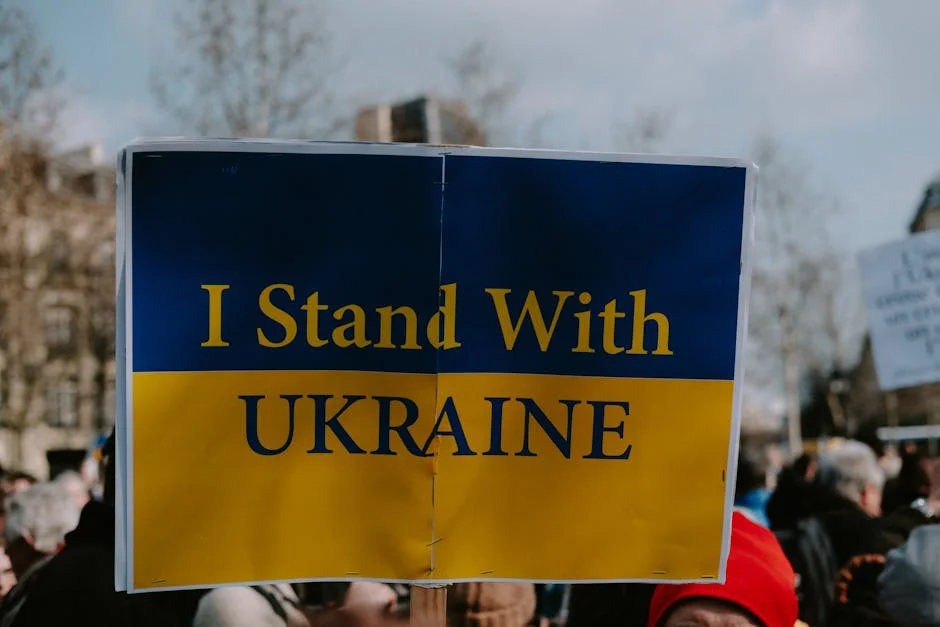
No aspect of South Africa's international positioning has generated more Ukrainian media attention than Pretoria's approach to Russia's invasion of Ukraine. When Russia launched its full-scale invasion in February 2022, the world largely split into supporters of Ukraine, Russia, or an uncomfortable middle ground. South Africa chose the latter — and has maintained it consistently, to Kyiv's frustration.
The UN Vote Record
- At the United Nations General Assembly vote in March 2022, which called for Russia to immediately cease its military operations in Ukraine, South Africa abstained — joining a minority of countries including China, India, Pakistan, and several African nations.
- At subsequent UNGA votes condemning Russia's annexation of Ukrainian territories and calling for reparations, South Africa again abstained.
- South Africa's position was justified by its government as one of "non-alignment" and a commitment to "diplomatic solutions" — language that Ukrainian media largely received with skepticism.
Ukrainian news portals, including platforms like News.d.ua which covers international affairs alongside domestic Ukrainian news, have consistently characterized South Africa's abstentions as de facto support for Russia, or at minimum as an unhelpful neutrality that emboldens Moscow. Ukrainian commentators frequently cite South Africa's historical relationship with the Soviet Union — which supported the ANC during the apartheid era — as an explanation for what they perceive as misplaced loyalty to a changed Russia.
South African analysts and officials, of course, view this characterization as unfair. They argue that South Africa's non-alignment is a principled foreign policy position rooted in its own liberation history, not a pro-Russian stance. But this nuance does not always translate well in Ukrainian media, which naturally views the conflict through the lens of an existential national struggle.
Ukrainian Media Coverage of BRICS and South Africa
South Africa's membership in BRICS — the grouping of major emerging economies also including Brazil, Russia, India, and China — places it in a bloc that Ukrainian media tend to view with considerable suspicion. Ukraine's experience of Russian aggression colors its perception of any multilateral forum in which Russia participates as an equal partner.
Key Ukrainian Media Narratives on BRICS
- BRICS as a pro-Russian bloc: Ukrainian commentary frequently frames BRICS as an alternative to the Western-led international order — one that implicitly benefits Russia by providing diplomatic cover and alternative economic partnerships that reduce the impact of Western sanctions.
- South Africa's hosting of the 2023 BRICS summit: The decision to host the summit in Johannesburg, and the controversy over whether Russian President Vladimir Putin would attend (he ultimately did not, in person, due to the International Criminal Court arrest warrant), generated significant Ukrainian media coverage. Ukrainian outlets highlighted the dilemma South Africa faced and presented it as evidence of Pretoria being caught between its obligations and its allegiances.
- BRICS expansion: South Africa's role in championing BRICS expansion — including the addition of new members in 2024 — was covered in Ukrainian media as a geopolitical move that further consolidated an alternative bloc to Western institutions.
Zelensky's Africa Diplomatic Tour
President Volodymyr Zelensky's June 2023 visit to South Africa — alongside stops in other African nations — was a significant moment in Ukraine's Africa diplomacy and generated extensive coverage in both Ukrainian and South African media.
Zelensky attended the Africa Leaders' Peace Mission summit in Pretoria, where a group of African heads of state had proposed a peace framework. While Zelensky welcomed African engagement, he made clear that any peace process must respect Ukrainian territorial integrity — a position that differed substantially from the African proposal, which called for a ceasefire without preconditions.
Ukrainian Media Framing of the Africa Peace Mission
- Ukrainian media broadly welcomed Zelensky's direct engagement with African leaders as evidence of Ukraine's successful "global south" diplomatic outreach.
- The African peace proposal itself received mixed reviews: some Ukrainian commentators acknowledged the genuine desire for peace, while others viewed the framework as naive or potentially favorable to Russia.
- South Africa's President Cyril Ramaphosa was treated respectfully but skeptically in Ukrainian coverage, with much focus on his government's non-aligned stance.
SA-Ukraine Wheat and Grain Trade
Beyond the political headlines, South Africa and Ukraine have meaningful economic ties, particularly in agricultural commodities. Ukraine is one of the world's largest producers and exporters of wheat, corn, and sunflower oil — commodities that matter enormously to African food security.
Before the 2022 invasion, Ukraine supplied significant quantities of grain to African markets, including to South Africa's food industry and to African countries that relied on South African ports as distribution hubs. Russia's blockade of Ukrainian Black Sea ports — and the subsequent collapse and revival of the Black Sea Grain Initiative — had direct consequences for African food prices and supply chains, including in South Africa.
Trade Facts
- Ukraine was among the top global exporters of sunflower oil, a key cooking oil commodity in South Africa.
- Disruptions to Ukrainian grain exports contributed to food price inflation across Sub-Saharan Africa in 2022–2023, affecting South African consumers as well.
- South African grain and agricultural companies have looked to diversify sourcing in response to Ukrainian supply uncertainty, though Ukrainian exports have partially recovered.
- South Africa exports fruit, wine, and processed foods to Eastern Europe, with Ukrainian importers among occasional buyers.
The Ukrainian Community in South Africa
Ukraine's diaspora is spread across the globe, and South Africa is home to a small but established Ukrainian community. Understanding this community provides important context for people-to-people ties between the two countries.
Historical Background
Ukrainian immigration to South Africa occurred in several waves. The largest wave came in the post-World War II period, when Ukrainian displaced persons and refugees — many of whom had fled Soviet terror — sought new lives in the British Commonwealth, including South Africa. These immigrants established Ukrainian churches, cultural organizations, and community associations, particularly in Johannesburg, Pretoria, and Cape Town.
- The South African Ukrainian community is estimated at several thousand people, though exact numbers are difficult to verify.
- The Ukrainian Orthodox Church of South Africa and the Ukrainian Catholic community maintain active congregations.
- Ukrainian cultural organizations have organized events celebrating Ukrainian independence, language preservation, and cultural heritage.
- Since 2022, South Africa has received a small number of Ukrainian war refugees, though the country's distance from Europe makes it a less common destination than EU member states.
How Ukrainian Media Presents South African News
For Ukrainian readers and viewers, South Africa tends to appear in the news primarily in three contexts: geopolitical votes and positions, economic news about BRICS or commodity markets, and cultural or sports coverage.
Platforms like News.d.ua, which aggregate and produce international news coverage for Ukrainian audiences, reflect the broader Ukrainian media landscape's treatment of South Africa. Coverage is generally factual but colored by the natural perspective of a nation at war seeking allies and identifying those who are not sufficiently supportive.
Common South Africa Story Angles in Ukrainian Media
- UN votes and diplomatic positioning relative to the Russia-Ukraine conflict.
- BRICS summits and South Africa's role within the grouping.
- South African statements on the war — whether from the president, parliament, or prominent public figures.
- Occasionally, South African culture, rugby, and wildlife — topics that generate positive interest without political controversy.
- Food security and commodity market stories that connect African food needs with Ukrainian exports.
Diplomatic Tensions and Engagement
Diplomatic relations between Ukraine and South Africa have been strained but not severed. Both countries maintain embassies in each other's capitals, and official communication continues even amid political disagreements.
A particular flashpoint came in 2023, when the United States alleged — and South Africa denied — that a South African vessel docked at Simon's Town naval base had been used to load weapons and ammunition destined for Russia. The allegation was strongly disputed by the South African government, but it received extensive coverage in Ukrainian media and reinforced negative perceptions of South Africa's neutrality.
Diplomatic Milestones
- Ukraine's ambassador to South Africa has been active in public diplomacy, engaging with South African civil society, universities, and media.
- South African parliamentarians have visited Ukraine, expressing humanitarian concern if not political solidarity.
- Both countries have cooperated on consular matters and have maintained working-level diplomatic contact despite political differences.
South Africa's Role in Potential Peace Talks
South Africa has positioned itself as a potential mediator in the Russia-Ukraine conflict. The African Leaders' Peace Mission — which included Presidents Ramaphosa, Macky Sall of Senegal, and others — represented the continent's most ambitious attempt at diplomatic engagement with the conflict.
Ukrainian reaction to South African mediation efforts has been carefully calibrated. Ukraine has avoided outright rejection of African engagement — recognizing that building bridges with the global south is diplomatically important — while making clear that no peace process can succeed that does not rest on Ukraine's territorial integrity and sovereignty.
Whether South Africa can play a constructive role in future peace negotiations depends significantly on whether Pretoria is willing to take clearer positions on the fundamental illegality of Russia's invasion. Ukrainian diplomats and media have consistently communicated this expectation.
Economic Ties: Beyond the Headlines
Beneath the political noise, there is a genuine economic relationship between South Africa and Ukraine that both sides have incentives to develop.
- Minerals and mining technology: Ukraine has significant mining sector expertise — particularly in coal, iron ore, and manganese — that could be relevant to South Africa's mining industry.
- Agricultural cooperation: Both countries are major agricultural producers, and there are opportunities for knowledge exchange in agro-technology, irrigation, and food processing.
- IT and software: Ukraine's formidable IT sector — which has continued to operate remarkably throughout the war — has potential export markets in South Africa, particularly in financial technology and software development.
- Defence and security: While politically sensitive, both countries have defence industries and shared security concerns in their respective regions.
The Future of Bilateral Relations
The trajectory of South Africa-Ukraine relations will depend heavily on how the war in Ukraine evolves and how South Africa chooses to position itself in the post-conflict landscape.
If Ukraine emerges from the conflict with its sovereignty intact and reconstruction underway, it will have significant leverage in shaping its diplomatic partnerships. Countries that stood with Ukraine — or at minimum did not actively undermine its position — will be better placed to participate in reconstruction and trade opportunities than those perceived as having sided with Russia.
South Africa has an opportunity to recalibrate its positioning without abandoning its non-alignment principles. Clearer statements condemning violations of international law, active humanitarian support, and constructive engagement with Ukraine's peace framework would go a long way toward improving the bilateral relationship without requiring South Africa to abandon its traditional foreign policy stances.
Recommendations for Stronger Bilateral Relations
- Expand people-to-people exchanges, including academic partnerships between South African and Ukrainian universities.
- Develop a bilateral trade agreement or memorandum of understanding to formalize economic cooperation.
- Increase South African humanitarian support for Ukrainian civilians, which would be well-received in Kyiv and improve public opinion.
- Engage more actively in Track II diplomacy — civil society, business, and academic connections that build the relationship independent of political cycles.
- South African media coverage of Ukraine — and Ukrainian media coverage of South Africa — could both benefit from greater depth and nuance, moving beyond political conflict coverage to understand each country's broader reality.
Conclusion: A Relationship Worth Investing In
The South Africa-Ukraine relationship is genuinely complex, shaped by divergent histories, different geopolitical positions, and a war that has forced every country to define its values publicly. Ukrainian media — including international news platforms like News.d.ua — reflects a Ukrainian public that is at once frustrated with South Africa's non-alignment and genuinely interested in building bridges with Africa's most powerful democracy.
South Africa, for its part, has legitimate interests in maintaining relationships across geopolitical divides and in being seen as an honest broker rather than an extension of any great power's agenda. These are not incompatible with a warmer, more supportive relationship with Ukraine.
The Rainbow Nation and the sunflower nation share more than geography separates them: both are democracies that emerged from extraordinary struggles, both face serious internal challenges of economic development and social cohesion, and both have much to gain from a stable, rules-based international order. That common ground is the foundation on which a genuinely productive bilateral relationship can be built — if both sides choose to invest in it.
See Also
- Floating Factories Plunder 'Galápagos of West Africa' as Bubaque Faces Fishing Crisis
- Nigeria Sets Stage for 2026 Civil Service Overhaul
What is the latest news about what ukrainian news says about south africa eastern european perspectives on the rainbow nation?
Why does this matter for Politics & Governance?
What are the key facts about what ukrainian news says about south africa eastern european perspectives on the rainbow nation?