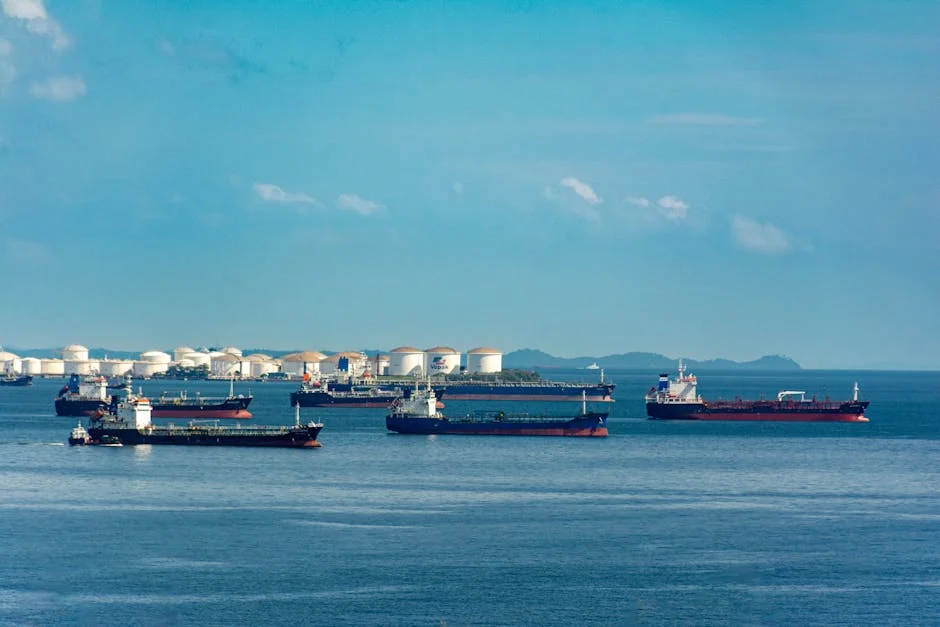
Disputes at a key Nigerian refinery are creating immediate ripples in the global aviation fuel market, threatening a critical supply line for the United Kingdom. This labor conflict exposes the fragility of jet fuel logistics, forcing UK airlines to reconsider their sourcing strategies amid rising operational costs. Investors in the energy sector are now scrutinizing the geopolitical risks associated with African refining capacity.
UK Aviation Sector Faces Supply Chain Shock
The United Kingdom is currently grappling with a tightening jet fuel market, and the disruption in Nigeria is exacerbating the shortage. Airlines across London and Manchester are reporting increased lead times for fuel deliveries, which directly impacts flight scheduling and cargo capacity. This situation forces carriers to absorb higher costs or pass them on to consumers, a painful choice in an economy sensitive to inflation.

Market analysts warn that if the Nigerian supply disruption persists, the UK may face a more severe shortage than initially projected. The reliance on imported refined products makes the British aviation sector vulnerable to external shocks, particularly from key suppliers in Africa and the Middle East. This vulnerability is now a central topic in boardrooms from Heathrow to Gatwick.
Investors are reacting to the news with caution, leading to a slight dip in shares for major UK-based logistics and aviation firms. The uncertainty surrounding fuel availability creates a risk premium that affects valuation models for the entire transport sector. Capital markets are now pricing in the potential for prolonged supply constraints, which could dampen earnings growth for the coming quarters.
Nigerian Refinery Labor Dispute Details
The core of the issue lies in a major Nigerian refinery where union members were recently dismissed in a move that has paralyzed operations. The National Union of Petroleum and Natural Gas Workers (NUPENG) has accused the refinery management of unfair labor practices, triggering a wave of strikes and slowdowns. This industrial action has significantly reduced the output of jet fuel, a critical export commodity.
Nigeria is one of Africa's largest producers of refined petroleum products, making its refining capacity a key variable in the global energy equation. The specific refinery in question plays a pivotal role in the UK's fuel strategy, supplying a substantial portion of the jet kerosene needed for trans-Atlantic flights. The disruption here is not just a local labor issue but a global supply chain event.
The conflict has drawn attention from international energy traders who are now scrambling to secure alternative sources of jet fuel. Prices for jet kerosene have seen upward pressure as buyers compete for available barrels from other regions. This price volatility is a direct consequence of the labor dispute, illustrating how local industrial relations can have far-reaching economic effects.
Impact on Regional Energy Markets
The Nigerian situation is not isolated; it is part of a broader trend of volatility in African energy markets. Other countries in the region are also experiencing labor disputes and infrastructure challenges that affect their refining output. This regional instability creates a cumulative effect on global supply, making it harder for importers to find stable sources.
For South African businesses, the Nigerian developments explained highlight the interconnectedness of African energy economies. How Nigerian affects South Africa is evident in the shared reliance on stable fuel prices for industrial growth. Any disruption in Nigeria can lead to spillover effects, influencing fuel costs and inflation rates in neighboring economies.
The Nigerian analysis South Africa perspective shows that regional stability is crucial for economic predictability. When one major producer faces internal strife, the entire region feels the impact through fluctuating prices and supply uncertainties. This interdependence means that investors in Johannesburg must also monitor labor trends in Lagos.
Economic Consequences for Airlines and Travelers


For airlines, the immediate consequence is increased operational expenditure. Jet fuel is often the largest single cost for an airline, and any increase in price or delay in delivery cuts directly into profit margins. Carriers may be forced to reduce flight frequencies or increase ticket prices to maintain financial health.
Travelers are likely to feel the pinch through higher airfares and potential flight cancellations. The uncertainty in supply can lead to last-minute schedule changes, causing inconvenience for business and leisure travelers alike. This reduces the overall attractiveness of air travel, potentially shifting demand to other modes of transport for shorter routes.
Businesses that rely on air cargo will also face higher logistics costs. The jet fuel shortage affects not just passenger flights but also the efficiency of global supply chains that depend on air freight. This can lead to delays in the delivery of goods, impacting retail and manufacturing sectors that operate on just-in-time inventory systems.
The economic impact extends beyond the aviation sector to related industries such as airport services, catering, and ground handling. Reduced flight frequencies mean lower revenue for these ancillary services, creating a ripple effect throughout the local economies surrounding major airports. This demonstrates the broad economic stakes involved in what might seem like a localized labor dispute.
Investment Perspectives and Market Reactions
Investors are closely watching how energy companies manage this supply disruption. Companies with diversified supply chains are likely to be viewed more favorably by the market, as they can mitigate the risk of shortages. This has led to increased interest in firms that have strategic reserves or multiple sourcing options for jet fuel.
The Nigerian developments explained underscore the importance of geopolitical risk assessment in energy investing. Investors are now placing a higher premium on stability and reliability in supply contracts. This shift in investor sentiment is driving capital towards companies with strong balance sheets and robust risk management strategies.
Why Nigeria matters in the global energy context is now more apparent to financial markets. The country's refining capacity is a key component of the global jet fuel supply, and any disruption there sends shockwaves through the market. Investors who ignore these regional dynamics may find themselves exposed to unexpected volatility in energy prices.
Nigeria impact on South Africa is also a factor for regional investors. The stability of the Nigerian economy and its energy sector has implications for the broader African market. Investors in Johannesburg are monitoring the situation in Lagos as a barometer for regional economic health and potential investment opportunities or risks.
Strategic Responses from Energy Companies
Energy companies are responding to the crisis by accelerating efforts to diversify their supply bases. This includes exploring new refining partnerships and investing in infrastructure in other regions. The goal is to reduce dependence on any single source of jet fuel, thereby enhancing supply chain resilience.
Some companies are also looking at technological solutions, such as biofuels and synthetic kerosene, to supplement traditional jet fuel supplies. These alternatives offer a degree of independence from geopolitical disruptions and can provide a more stable long-term supply. This shift towards alternative fuels is a strategic move to mitigate future risks.
Contract negotiations are also becoming more complex, with buyers demanding more flexibility and penalty clauses for late deliveries. This reflects the increased risk premium that sellers are charging for jet fuel from regions with potential supply disruptions. The terms of trade are evolving in response to the new market realities.
The crisis is also prompting a re-evaluation of inventory management strategies. Companies are likely to hold larger stockpiles of jet fuel to buffer against future shocks. This change in inventory policy ties up more capital but provides greater security against price volatility and supply interruptions.
Future Outlook and Market Watchpoints
The resolution of the Nigerian labor dispute will be a key determinant of future jet fuel prices. A quick settlement could lead to a rapid normalization of supplies and a stabilization of prices. However, a prolonged conflict could lead to more significant price hikes and longer-term supply adjustments.
Markets will also be watching for signs of how other African refining hubs respond to the increased demand. Countries like Ghana and Angola may see an opportunity to increase their exports to fill the gap left by Nigeria. This could lead to a reshuffling of trade flows within the African continent and beyond.
Investors should monitor announcements from major UK airlines regarding their fuel hedging strategies. Changes in hedging positions can provide early signals about how companies expect prices to move in the coming months. This information is crucial for making informed investment decisions in the aviation and energy sectors.
The situation also highlights the need for ongoing dialogue between labor unions and management in the energy sector. Building stronger relationships can help prevent future disputes and ensure a more stable supply of critical energy products. This is a lesson for energy companies globally, emphasizing the human element in supply chain management.
Regulators in the UK and Nigeria are also likely to step in to assess the impact on competition and consumer prices. Potential policy interventions could include strategic reserves releases or temporary tariffs on imports. These regulatory actions could further influence market dynamics and should be closely watched by stakeholders.
The global jet fuel market is at a crossroads, with the Nigerian dispute serving as a catalyst for broader changes. The outcomes of this crisis will shape investment strategies, corporate policies, and consumer experiences in the aviation sector for years to come. Stakeholders must remain agile and informed to navigate the evolving landscape.
As the weeks progress, the focus will shift to the implementation of new supply contracts and the effectiveness of alternative fuel strategies. The next quarter will be critical in determining whether the market can stabilize or if we are entering a period of prolonged volatility. Investors and businesses must prepare for either scenario.
See Also
- Reunert Exposes South Africa’s Infrastructure Investment Illusion
- Minister Patricia De Lille Boosts Tourism Investment in South Africa