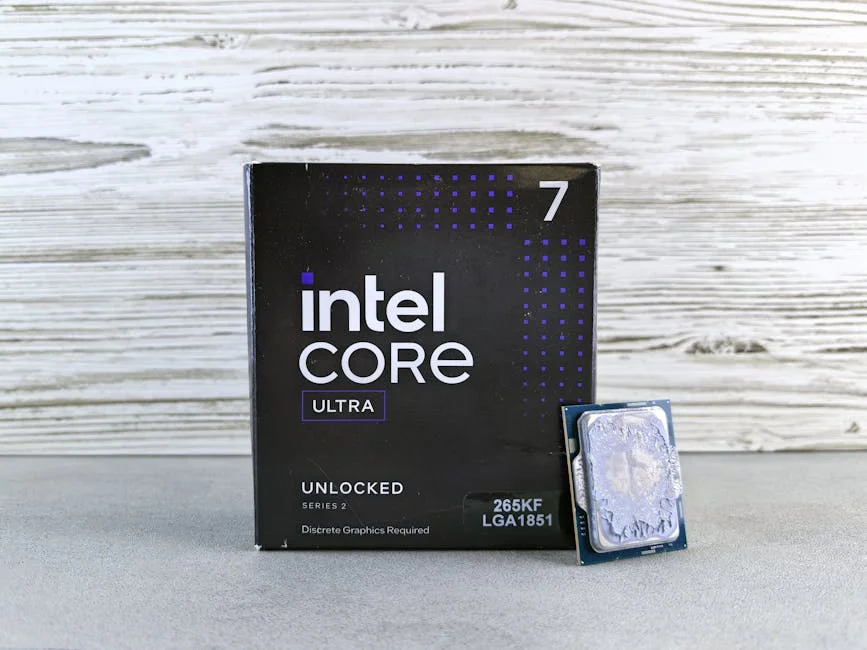
Apple is reshaping the global semiconductor supply chain by pushing Intel and Samsung to manufacture its core device chips in the United States. This strategic pivot reduces reliance on TSMC and injects billions into American infrastructure. Investors in Johannesburg and beyond are watching closely as tech giants redefine geopolitical risk. The move signals a hardening of trade relations and a new era for hardware manufacturing.
Strategic Shift Away from TSMC Dominance
For years, Taiwan Semiconductor Manufacturing Company (TSMC) has been the undisputed king of Apple’s silicon. The iPhone’s A-series and M-series chips have largely come from its advanced nodes in Hsinchu. Apple now seeks to diversify this monopoly. This is not merely about quality control. It is about supply chain resilience in an increasingly volatile world.

By bringing Intel and Samsung into the US fold, Apple hedges against regional disruptions. A potential conflict in the Taiwan Strait could halt production overnight. This risk has become a tangible factor in quarterly earnings calls. Apple’s decision forces competitors to accelerate their own domestic expansion plans. The ripple effects are already visible in global stock markets.
Intel and Samsung Face Intense Pressure
Intel stock latest news highlights the immense pressure on the American chipmaker. The company has struggled to maintain its lead in process technology. Apple’s investment offers a lifeline but demands rigorous performance metrics. Intel must prove that its foundry division can compete with TSMC’s 3nm and 5nm nodes.
Samsung Electronics also faces a critical test. The South Korean giant has long been a supplier but often trails in yield rates. Apple’s US expansion requires Samsung to build or lease significant capacity in states like Texas or Arizona. This capital expenditure will weigh on their balance sheets for years. Investors must weigh these costs against long-term revenue stability.
Financial Implications for Chipmakers
The financial stakes are enormous for both Intel and Samsung. Capital expenditures for next-generation fabs exceed $20 billion each. These investments are not sunk costs but strategic bets on future market share. Apple’s purchase orders provide a guaranteed revenue stream that reduces uncertainty. This stability can boost investor confidence in both stocks.
However, execution risk remains high. If Intel misses a node deadline, Apple could shift volume back to TSMC. Samsung faces similar scrutiny on yield improvements. The margin for error is shrinking. Analysts are closely monitoring quarterly reports for signs of cost overruns. Any slip-up could trigger a sharp correction in share prices.
Market Reactions and Investor Sentiment


Markets have reacted with cautious optimism to the news. Intel stock analysis South Africa shows mixed signals from local fund managers. Some see a turnaround story, while others view it as a late move. The broader semiconductor sector has seen volatility as investors digest the implications. This uncertainty creates trading opportunities for agile investors.
SG explained, the Singapore Exchange lists many Asian tech firms affected by this shift. Samsung’s performance directly impacts regional indices. Investors in en-ZA markets must consider these cross-border dependencies. A slowdown in Samsung’s growth could dampen sentiment in Asian markets. This, in turn, affects global risk appetite and emerging market flows.
Why SG matters to global investors is its role as a hub for Asian capital. Flows into Singaporean funds often track tech sector performance. If Apple’s US strategy succeeds, it could boost confidence in Asian supply chains. Conversely, any disruption could trigger capital flight. Understanding these dynamics is crucial for portfolio diversification.
Economic Impact on the United States
The US economy stands to gain significantly from this manufacturing boom. New fabs create thousands of high-skilled jobs in states like Ohio and Arizona. This boosts local economies and increases consumer spending power. The federal government’s CHIPS Act subsidies become more effective with private sector buy-in. This synergy strengthens the domestic industrial base.
Supply chain localization reduces exposure to global shipping disruptions. This can lead to more stable pricing for consumer electronics. Lower logistics costs may translate to higher margins for Apple. It also sets a precedent for other tech giants to follow suit. The ripple effect could revitalize American manufacturing sectors beyond semiconducters.
Implications for Global Supply Chains
This move accelerates the fragmentation of the global supply chain. Companies are forced to choose between cost efficiency and resilience. Many will opt for a hybrid model with US and Asian production. This increases complexity but reduces single-point failures. The global trade landscape is shifting from just-in-time to just-in-case.
How SG affects South Africa is through its influence on global commodity and tech flows. South African miners supply critical raw materials for chips. Increased US production could boost demand for copper and gold. This creates export opportunities for local firms. Investors should watch commodity prices for early signals of this trend.
Investment Perspective for en-ZA Readers
South African investors must adapt to this new reality. Direct exposure to US tech stocks is available through American Depositary Receipts. This allows for direct participation in the Apple-Intel-Samsung dynamic. Diversification into US tech can hedge against local currency volatility. The Rand’s performance often correlates with global tech sentiment.
Indirect exposure comes through local tech distributors and retailers. Companies that sell Apple products may see volume changes. These firms will react to any supply chain adjustments. Monitoring their earnings reports can provide early insights. This bottom-up approach complements top-down market analysis.
What is intel stock in this context is a high-risk, high-reward play. It represents a bet on American manufacturing resurgence. This contrasts with TSMC’s dominance in Asian production. Investors should allocate based on their risk tolerance. A balanced portfolio might include both US and Asian chipmakers. This diversification mitigates regional geopolitical risks.
Future Outlook and Key Milestones
The next twelve months will be critical for this strategy. Apple will announce specific volume allocations for Intel and Samsung. These announcements will drive stock price movements. Investors should watch for updates on fab construction progress. Delays in Austin or Dresden could signal deeper issues.
Regulatory approvals in the US will also play a role. Local content requirements may influence final decisions. Apple’s annual developer conference could reveal new chip details. These events provide key data points for forecasting. Staying informed is essential for navigating this evolving market.
Watch for the first quarterly earnings reports from Intel and Samsung post-announcement. These reports will reveal initial cost structures and yield rates. Any deviation from expectations will trigger immediate market reactions. This is the moment where strategy meets execution. Investors should prepare for increased volatility in the coming quarters.
See Also
- Burkina Faso Junta Dissolves 200 Groups
- Nairobi Entrepreneurs Drive Clean Energy Strategy at East Africa Forum
Economic Impact on the United States The US economy stands to gain significantly from this manufacturing boom. Future Outlook and Key Milestones The next twelve months will be critical for this strategy.