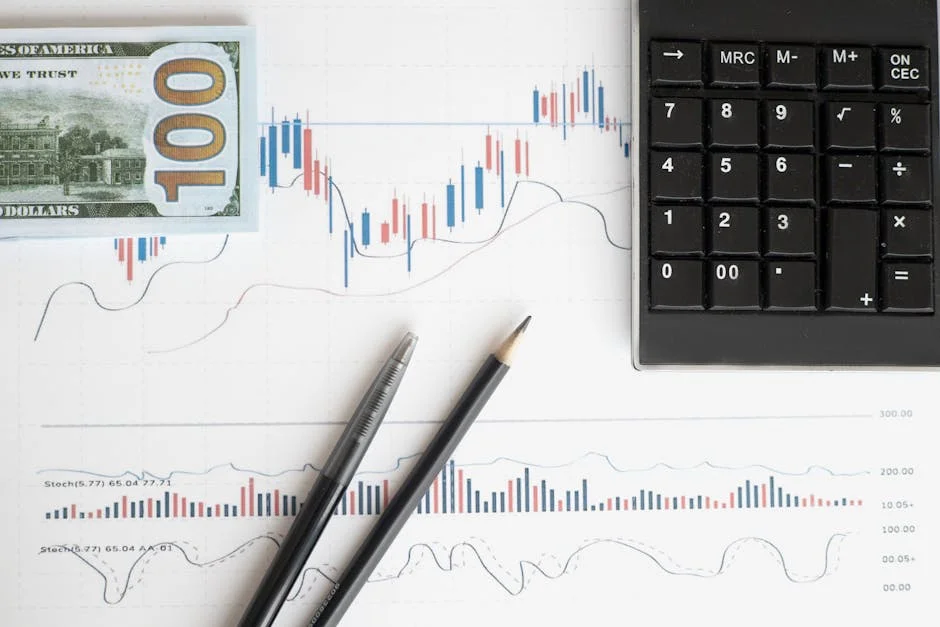
Wall Street edged higher on Tuesday as investors monitored the unfolding situation in the Middle East, with the ceasefire deadline in Iran drawing attention. The Dow Jones Industrial Average surged 300 points, while the S&P 500 remained largely flat, reflecting cautious optimism amid geopolitical uncertainty. South African investors and businesses are closely watching the developments, as global market shifts could influence local economic conditions.
Market Reactions to Geopolitical Tensions
The rise in US stock markets was driven by a mix of relief and anticipation as the international community awaits a potential ceasefire in Iran. The Dow's 300-point jump highlighted investor confidence, though the S&P 500's flat performance suggested lingering concerns over regional instability. Analysts noted that while the US market remains resilient, global events continue to shape investment sentiment.

South African financial institutions, including the National Treasury, have expressed concern over the potential ripple effects of Middle East tensions on global trade and commodity prices. The South African Reserve Bank has warned that any disruption in oil supplies could impact inflation and the rand's value. "The global economic outlook remains fragile, and we must remain vigilant," said a spokesperson for the bank.
Impact on South African Retail Sector
The retail sector in South Africa is particularly sensitive to global market fluctuations, as many businesses rely on imported goods and international supply chains. With the US market showing signs of resilience, local retailers are cautiously optimistic about potential export opportunities. However, the uncertainty surrounding the Iran situation has led to increased price volatility in key commodities such as fuel and electronics.
According to the South African Retail Association, the sector is closely monitoring the situation, as any disruption in global trade could lead to higher operational costs. "We are watching the developments closely and preparing for potential disruptions," said the association’s chief economist. "The retail landscape is highly dependent on global stability."
Consumer Confidence and Spending Trends
Consumer confidence in South Africa has remained mixed, with many households concerned about inflation and the cost of living. The recent rise in US stocks has not yet translated into increased consumer spending, as South African consumers remain cautious. "We are seeing a slow recovery, but it is far from robust," said a retail analyst at Standard Bank.
Local businesses are adapting by focusing on domestic markets and strengthening supply chains. Some retailers have begun sourcing more products locally to reduce exposure to global price swings. This shift could have long-term implications for South Africa's trade balance and economic resilience.
Investor Sentiment and Market Outlook


Investors in South Africa are taking a cautious approach, balancing the potential for growth in global markets with the risks posed by regional conflicts. The South African stock market has seen limited movement, with the JSE All Share Index hovering near its recent levels. "The market is waiting for clarity on the Iran situation before making a decisive move," said a portfolio manager at Investec.
Despite the uncertainty, some investors remain optimistic about the long-term prospects of South African assets. "The country has strong fundamentals, and the global market conditions could create opportunities for strategic investments," said a senior analyst at Absa. "However, we must remain aware of the risks."
What to Watch Next
The coming days will be critical as the international community awaits a potential ceasefire in Iran. South African investors and businesses are preparing for various scenarios, from continued market volatility to a possible rebound in global trade. The South African Reserve Bank has indicated it will closely monitor the situation and may adjust its monetary policy accordingly.
For South African consumers, the next few weeks will determine whether the cautious optimism in global markets translates into more stable prices and better economic conditions. "We are watching the situation closely, and we will adjust our strategies as needed," said a spokesperson for the National Treasury. "The priority remains economic stability and growth."
See Also
- Ronald Acuña Jr's X-rays Negative as Braves Roll On
- AI Revolutionizes Africa - Boosting Growth and Development