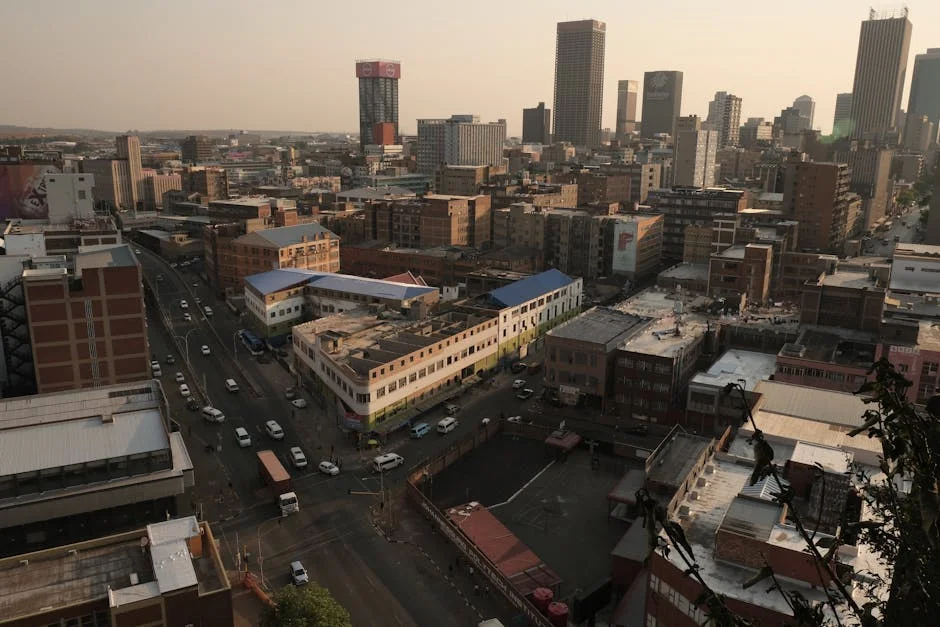
The South African Weather Service has issued warnings of potential flooding due to severe thunderstorms affecting five provinces, including Gauteng, on Tuesday. The forecast, released late Monday, highlights the risk of heavy rainfall and strong winds, which could disrupt transportation and damage infrastructure. The warnings come as the country continues to face unpredictable weather patterns linked to climate change, raising concerns among local authorities and businesses.
Impact on Infrastructure and Daily Life
Regions such as Gauteng, North West, and Mpumalanga are among those most affected by the storm systems. The Weather Service reported rainfall rates of up to 50 millimetres in some areas, increasing the risk of flash floods. In Gauteng, the economic hub of South Africa, disruptions to road networks and public transport have already been reported. The city of Johannesburg, home to over 5 million people, is particularly vulnerable due to its dense urban infrastructure and limited drainage capacity.
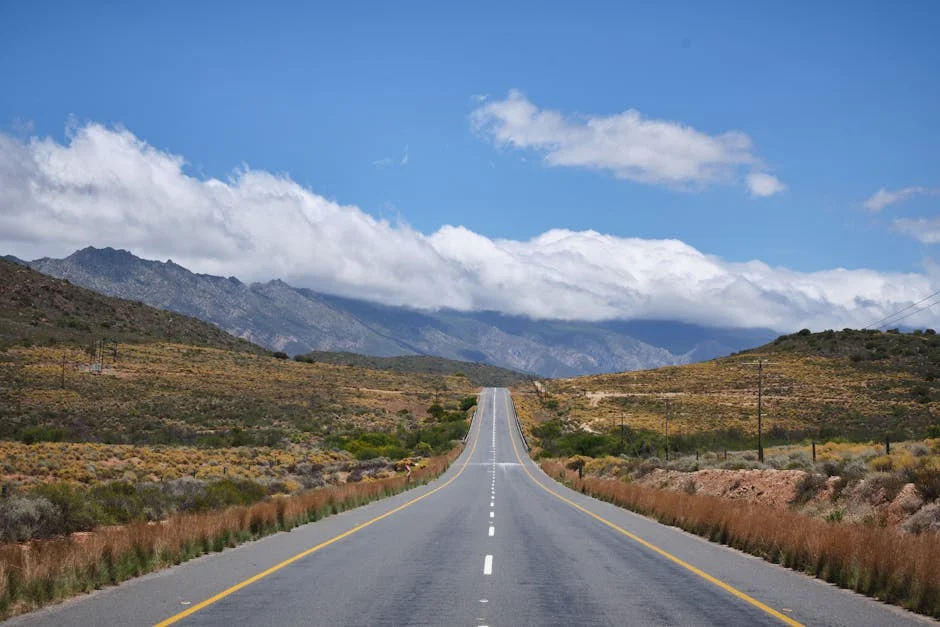
Local authorities have begun mobilising emergency response teams, with the Gauteng Provincial Government urging residents to remain cautious. "We are closely monitoring the situation and have activated our disaster management protocols," said Mxolisi Mabaso, the head of the Gauteng Emergency Management Department. "Residents in low-lying areas are advised to evacuate if necessary."
Market Reactions and Business Implications
The storm activity has already begun to affect local markets, with logistics and supply chain companies reporting delays. Companies such as Pick n Pay and Shoprite have issued statements confirming disruptions in some areas, particularly in Gauteng. The agricultural sector, which is highly sensitive to weather conditions, is also bracing for potential losses. Farmers in Mpumalanga, a key maize-producing region, have been advised to secure crops and equipment against flooding.
Investors are closely monitoring the situation, as weather-related disruptions can have a ripple effect on economic performance. The rand has shown slight volatility against the dollar, reflecting concerns over the potential impact on trade and inflation. "Weather events like this can quickly translate into higher costs for businesses and consumers, especially in sectors reliant on stable supply chains," said Thandiwe Mkhize, an economist at the South African Institute of Economic Research.
Long-Term Climate Concerns

While the immediate focus is on the current storm, the event highlights broader climate challenges facing South Africa. The country has experienced increasingly frequent and intense weather events over the past decade, with the 2019-2020 rainy season seeing some of the worst flooding in recent history. The South African Weather Service has noted a 15% increase in the frequency of extreme weather events since 2010, a trend that is expected to continue.
Environmental experts warn that without significant investment in climate resilience, the economic and social costs of such events will only rise. "We are seeing a clear link between climate change and the increasing frequency of these weather patterns," said Dr. Sipho Mbeki, a climatologist at the University of Cape Town. "The government needs to prioritise long-term infrastructure upgrades to mitigate future risks."
Regional Variability and Local Responses
The impact of the storm varies across regions. While Gauteng and Mpumalanga face the highest risk of flooding, the Western Cape and KwaZulu-Natal are experiencing unusually high temperatures, with Durban recording a high of 34°C on Tuesday. This contrast underscores the complex nature of South Africa's weather system, which is influenced by both tropical and temperate climate zones.
Local municipalities have taken different approaches to managing the situation. In the North West, officials have deployed sandbags to protect low-lying areas, while in KwaZulu-Natal, authorities have issued heat advisories to prevent heat-related illnesses. "Each province is responding based on its specific needs, but coordination at the national level is essential to ensure a unified approach," said Luyanda Maluleke, a spokesperson for the Department of Water and Sanitation.
What to Watch Next
The South African Weather Service will continue to monitor the situation closely, with updates expected throughout the week. The next key development will be the potential for prolonged rainfall in the coming days, which could lead to more severe flooding. Businesses and investors should remain vigilant, as the situation could impact production, trade, and consumer spending.
For residents, staying informed through official channels is critical. The Weather Service has launched a mobile app to provide real-time updates, while local radio stations are broadcasting emergency alerts. As the country navigates this weather challenge, the focus remains on preparedness and resilience in the face of an increasingly unpredictable climate.
See Also
- US Companies Add 63,000 Jobs: What This Means for Africa's Economic Landscape
- South Africa Slams Butmir Over Mundial Vieron Espionage Scandal
What is the latest news about south africa weather service warns of flood risks in 5 provinces?
Why does this matter for economy-business?
What are the key facts about south africa weather service warns of flood risks in 5 provinces?