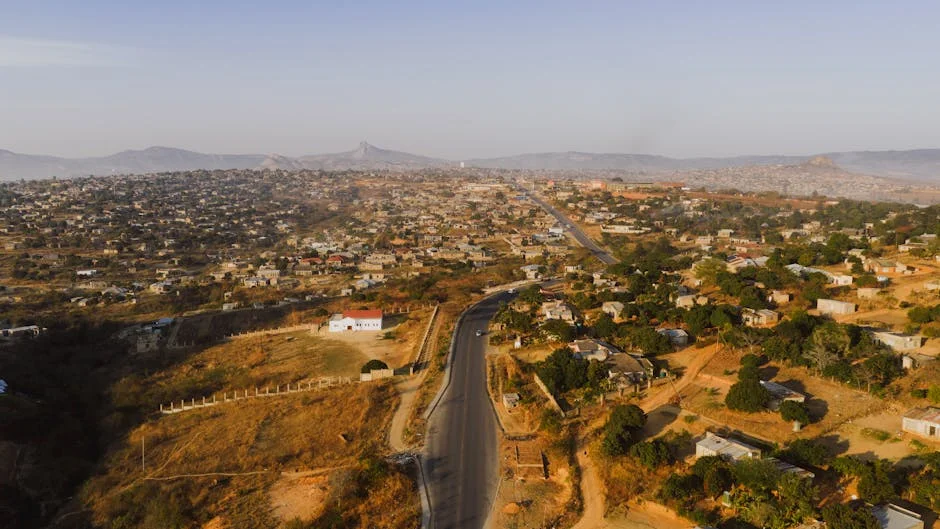
Satellite and drone imagery has revealed significant delays in the construction of major data centers across the United States, raising concerns among investors and analysts about the tech sector's growth trajectory. The findings, first reported by the U.S. Department of Commerce, highlight a slowdown in projects in key tech hubs such as Ashburn, Virginia, and Phoenix, Arizona. The delays, attributed to supply chain disruptions and rising construction costs, are already affecting the rollout of cloud computing infrastructure and digital services.
Delays in Key Tech Hubs
According to a recent report by the U.S. Department of Commerce, data center construction in Ashburn, Virginia, has stalled by nearly 25% compared to 2022. This area, often referred to as the "data center capital of the world," is home to major tech firms such as Amazon and Microsoft. The delays are linked to a combination of material shortages and labor shortages, which have driven up costs by an estimated 30% since the start of the year.
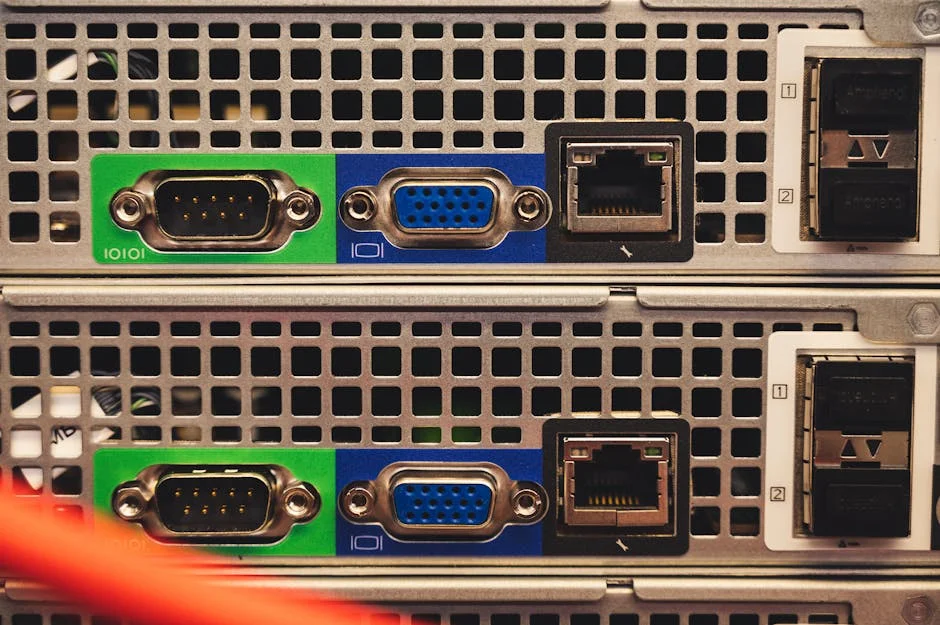
Phoenix, Arizona, another major hub, has also experienced setbacks. A spokesperson for the Arizona Commerce Authority confirmed that projects at two large-scale data centers have been delayed by up to six months. The delays are expected to impact the region’s ability to meet the growing demand for cloud storage and artificial intelligence processing. “We’re seeing a ripple effect across the tech sector,” the spokesperson said.
Market Reactions and Investor Sentiment
The news has sent ripples through financial markets, with shares of construction and tech-related companies fluctuating in response. Investors are closely watching how these delays might affect the rollout of new digital services and the ability of tech firms to meet their expansion goals. In the past week, the Nasdaq Composite has seen a 1.5% dip, with some analysts linking the decline to concerns over the data center slowdown.
“The data center sector is a key driver of the tech economy, and any delay in construction can have a cascading effect on the entire industry,” said Sarah Lin, an analyst at Global Insight Research. “This could slow down the deployment of AI and cloud computing, which are critical for future growth.”
Supply Chain and Labor Challenges

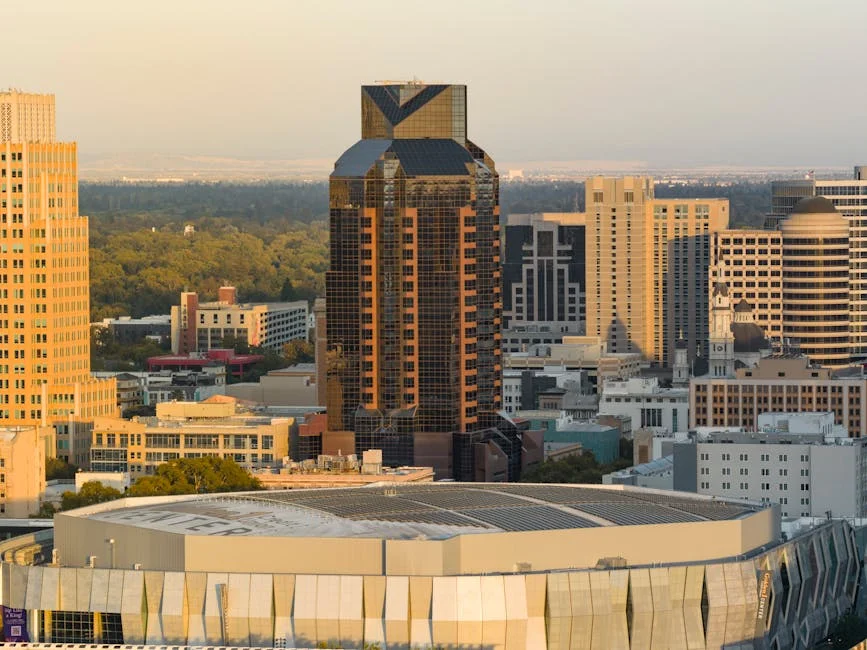
The delays are largely attributed to ongoing supply chain bottlenecks and labor shortages. Construction materials such as steel and concrete have become more expensive and harder to source, pushing up project costs. Additionally, a shortage of skilled labor has forced companies to delay hiring, further slowing down the pace of construction.
“We’ve had to pause several projects because we can’t find enough qualified workers,” said James Carter, a project manager at a major data center firm in Phoenix. “This is not just about materials — it’s about the entire ecosystem.”
Impact on Tech Expansion Plans
The slowdown has also affected the expansion plans of several tech companies. Microsoft, for example, has postponed the opening of a new data center in Ashburn, while Meta has delayed the launch of a cloud computing initiative in the region. These delays could have long-term implications for the U.S. tech industry, which relies heavily on the rapid deployment of infrastructure to support digital transformation.
“The pace of innovation in tech is directly tied to the availability of data center infrastructure,” said Dr. Linda Nguyen, a technology policy expert at Stanford University. “If these delays continue, we could see a slowdown in the development of next-generation technologies.”
What to Watch Next
The next few months will be critical for the tech sector as companies and investors assess the full impact of the delays. Key developments to watch include the potential for new government incentives to speed up construction, the availability of skilled labor, and the ability of tech firms to adapt their expansion strategies. By early 2025, the industry will likely have a clearer picture of how these delays have affected the long-term growth of the U.S. tech sector.