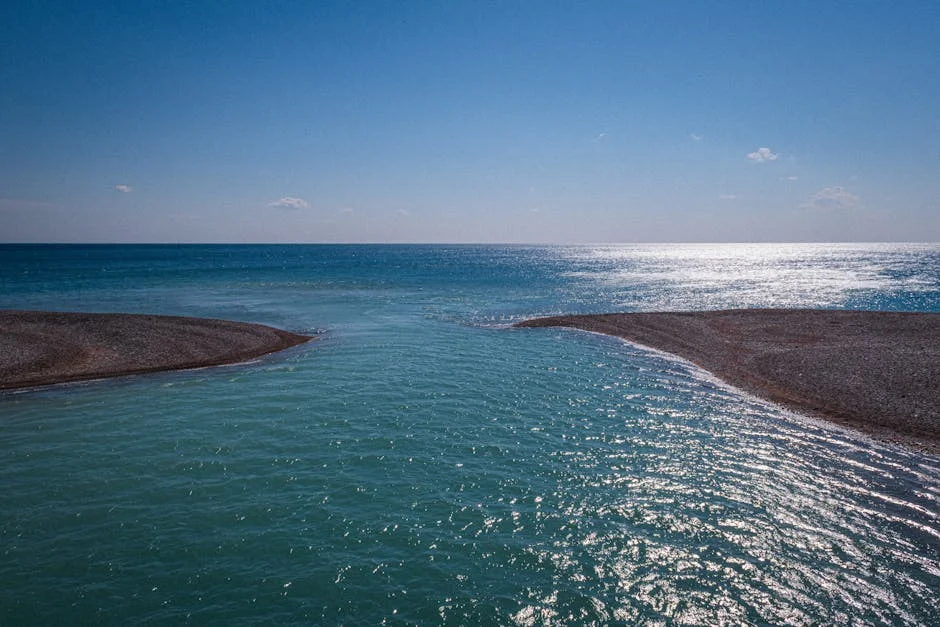
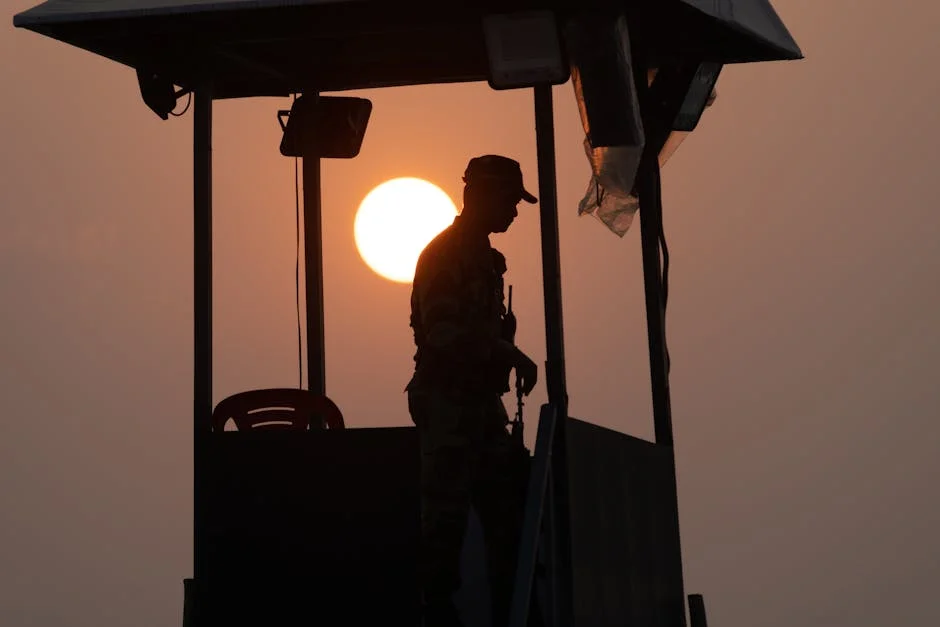
Iraqi Captain Ahmed Al-Mutairi continues to navigate the volatile waters of the Persian Gulf despite escalating regional hostilities, a decision that has sparked both admiration and concern among traders and investors. The captain, who operates a cargo vessel under the Iraqi Ministry of Transport, has refused to halt operations even as attacks on ships in the Strait of Hormuz have increased. His actions highlight the resilience of Iraq’s maritime sector amid growing geopolitical uncertainty.
Maritime Operations Under Fire
Al-Mutairi’s vessel, the *Al-Rasheed*, has been making regular trips between Basra and Dubai since early 2024, despite warnings from the International Maritime Organization (IMO) about the rising risks. The ship’s route passes through one of the world’s busiest shipping lanes, where tensions between Iran and Western powers have led to several incidents. In March 2024 alone, three merchant vessels were targeted, with one reportedly damaged by a drone strike.
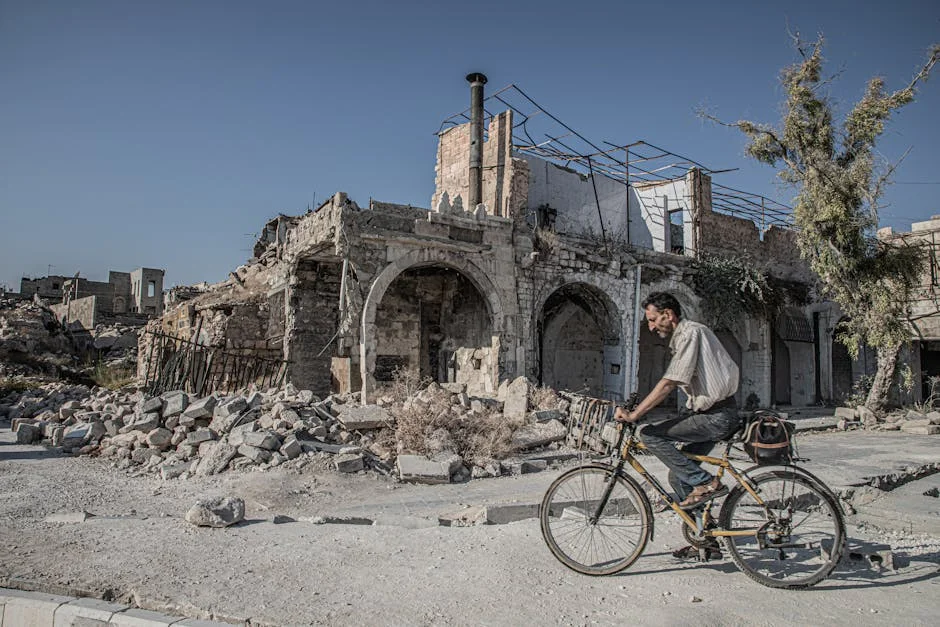
The Iraqi government has not issued a formal ban on maritime trade, but the Ministry of Transport has urged ship operators to exercise caution. “We are monitoring the situation closely,” said a spokesperson for the ministry. “However, the economic lifeline of Iraq depends on these routes.” The country’s reliance on oil exports and trade through the Gulf makes it particularly vulnerable to disruptions.
Economic Implications for Iraq
Iraq’s economy, heavily dependent on oil exports, is already under pressure from global price fluctuations and domestic challenges. The country’s GDP grew by just 2.1% in 2023, according to the International Monetary Fund (IMF), and the government faces a budget deficit of over $12 billion. Any disruption to trade routes could worsen this outlook, increasing inflation and reducing foreign investment.
Investors are closely watching the situation. The South African-based investment firm, Standard Bank, has warned that continued instability in the region could lead to a 15% drop in trade volumes by the end of 2024. “Iraq’s role as a key player in the Middle East energy market means that regional conflicts have direct economic consequences,” said a senior analyst at the bank.
Regional Tensions and Market Reactions


The ongoing conflict has already begun to affect global markets. Oil prices have surged by 8% since January 2024, with Brent crude hitting $87 per barrel in March. This increase has led to higher fuel costs across the Middle East and North Africa, impacting both consumers and businesses.
Local businesses in Basra, Iraq’s largest port city, are also feeling the strain. “We’ve had to raise our shipping costs by 12% just to cover the risk,” said Fatima Al-Sadik, a logistics manager at a major trading company. “This is not sustainable for long.”
Impact on South Africa’s Trade
South Africa, which has growing trade ties with Iraq, is also monitoring the situation. The country’s trade with Iraq increased by 18% in 2023, with key exports including machinery and agricultural products. The South African Trade and Investment Agency (SATA) has advised businesses to prepare for potential delays and increased costs.
“Any disruption in the region could have a ripple effect on South African imports and exports,” said a SATA representative. “We are working closely with our partners to ensure supply chains remain resilient.”
Investor Sentiment and Risk Management
Investors are adjusting their strategies in response to the growing risks. The Johannesburg Stock Exchange (JSE) has seen a slight decline in shares of companies with exposure to the Middle East, with some analysts suggesting a shift toward more stable markets. “This is a cautionary tale about the interconnectedness of global trade,” said a JSE analyst.
Insurance companies are also taking note. Marine insurance premiums for vessels passing through the region have increased by 20% in the past six months. “This reflects the heightened risk environment,” said a representative from a major underwriting firm.
Despite the challenges, some experts believe that Iraq’s maritime sector will continue to play a critical role in regional trade. “The country has too much at stake to shut down its ports,” said an analyst at the African Development Bank. “But the long-term stability of the sector will depend on how the region resolves its conflicts.”
What to Watch Next
The coming weeks will be critical for the situation in the Persian Gulf. The United Nations Security Council is set to hold a special session on 15 April to address the escalating tensions. Meanwhile, Iraqi authorities are expected to issue updated guidelines for maritime operations by the end of the month.
For investors and businesses, the key will be to monitor both regional developments and the response from global markets. The actions of individuals like Captain Al-Mutairi will continue to shape the narrative, with far-reaching consequences for trade and economic stability across the region.
Frequently Asked Questions
What is the latest news about iraqi captain defies war threats to keep shipping amid regional tensions?
Iraqi Captain Ahmed Al-Mutairi continues to navigate the volatile waters of the Persian Gulf despite escalating regional hostilities, a decision that has sparked both admiration and concern among traders and investors.
Why does this matter for politics-governance?
His actions highlight the resilience of Iraq’s maritime sector amid growing geopolitical uncertainty.
What are the key facts about iraqi captain defies war threats to keep shipping amid regional tensions?
The ship’s route passes through one of the world’s busiest shipping lanes, where tensions between Iran and Western powers have led to several incidents.