South Africa's 2026 agricultural calendar has been upended by an unexpected surge in cabbage demand, sending shockwaves through local food markets and prompting government intervention. The vegetable, once a staple in many households, has seen its price rise by 25% in just two months, according to the Agricultural Marketing Information System (AMIS). The spike has caught traders and consumers off guard, with the Department of Agriculture, Land Reform and Rural Development stepping in to stabilise supply chains.
Market Volatility and Supply Chain Strain
The surge in cabbage prices has been driven by a combination of poor harvests and increased domestic demand. In KwaZulu-Natal, one of the country’s main vegetable-producing regions, farmers reported a 30% drop in yield due to unseasonal rainfall. "We’re seeing a perfect storm of bad weather and high demand," said Thandiwe Mkhize, a spokesperson for the KwaZulu-Natal Farmers’ Association. "This is not just a local issue — it’s affecting the entire supply chain."
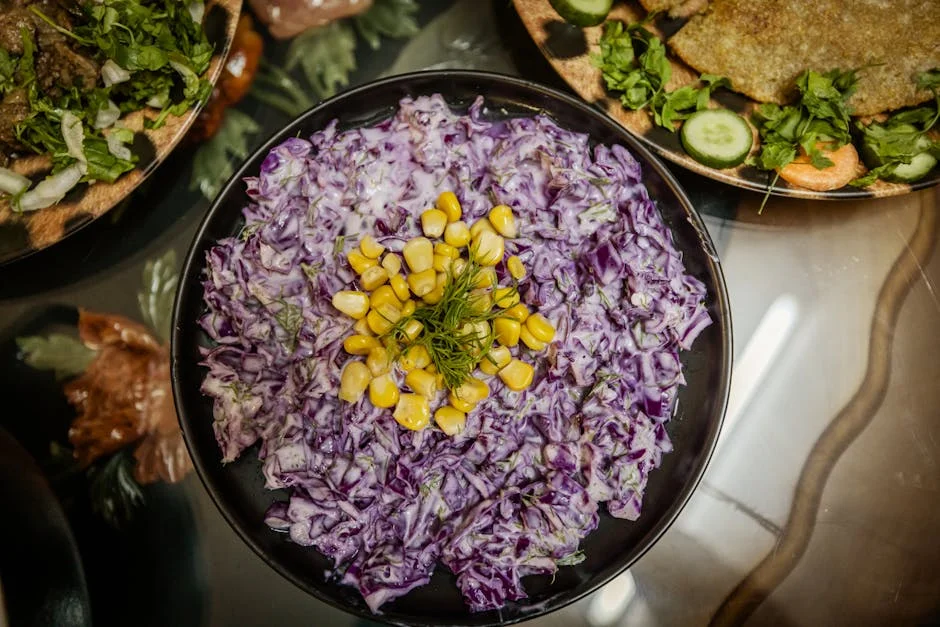
Supermarkets have responded by limiting the number of cabbages customers can buy, while smaller retailers have struggled to keep shelves stocked. The impact is most visible in townships, where cabbage is a key ingredient in traditional dishes. "We used to buy a head for under R10, but now it’s over R15," said Sipho Dlamini, a market vendor in Durban. "It’s making it hard for families to afford basic meals."
Investor and Business Reactions
The cabbage crisis has not gone unnoticed by investors. Shares in local agri-businesses have fluctuated in response to the price volatility, with analysts warning of broader implications for the food sector. "This is a wake-up call for the agricultural industry," said Dr. Linda Nkosi, an economist at the University of Cape Town. "If we don’t invest in more resilient farming practices, we’ll see more of these shocks in the future."
Businesses that rely on cabbage as an ingredient, such as food processing companies and restaurants, are also feeling the pressure. "We’ve had to raise our prices by 10% to cover the cost increase," said Mark van der Merwe, owner of a chain of fast-food restaurants in Johannesburg. "This is unsustainable in the long term."
Government Response and Policy Shifts

The Department of Agriculture has announced a series of measures aimed at stabilising the market, including a temporary import ban on cabbage to protect local producers. The move has drawn criticism from trade groups, who argue that it could worsen the shortage. "This is a short-term fix with long-term consequences," said David Gqoba, CEO of the South African Agri-Business Council. "We need to look at long-term solutions, like investing in irrigation and climate-smart farming."
Meanwhile, the government has launched a public awareness campaign to encourage home gardening. "We’re promoting the idea of growing your own vegetables, especially in urban areas," said Agriculture Minister Thandi Modise. "This is not just about cabbage — it’s about food security for all South Africans."
Impact on Rural Communities
The crisis has had a mixed impact on rural communities. While some farmers are benefiting from higher prices, others are struggling with the cost of inputs like seeds and fertilisers. "We’re not making any profit," said Noma Dlamini, a smallholder farmer in Mpumalanga. "The cost of farming has gone up, but the price we get for our cabbages hasn’t." This has led to calls for more support from the government, including subsidies and training programs.
At the same time, local cooperatives are stepping in to help. The Mkhondo Vegetable Growers’ Association has started a programme to provide free seedlings to small farmers. "We’re trying to build resilience at the grassroots level," said association chairman Sipho Mthembu. "This is about more than just cabbage — it’s about ensuring that farmers can survive and thrive."
Looking Ahead: What’s Next?
As the 2026 growing season approaches, the focus will be on whether the government’s measures can stabilise the market and prevent further price spikes. Farmers are preparing for the next harvest, while investors are watching closely for signs of recovery. "This is a critical moment for the food sector," said Dr. Nkosi. "If we don’t act now, we could see more of these crises in the years to come."
For consumers, the message is clear: cabbage is no longer just a vegetable — it’s a symbol of the growing challenges facing South Africa’s food system. The coming months will determine whether the country can adapt to these changes or face more disruptions in the future.
See Also
- Pakistan's 'Trump Favourite' Becomes a South Africa Concern
- Rupee Slides to Record 94.05 Against Dollar Amid Global Turmoil
"This is not just about cabbage — it’s about food security for all South Africans." Impact on Rural Communities The crisis has had a mixed impact on rural communities. See AlsoPakistan's 'Trump Favourite' Becomes a South Africa ConcernRupee Slides to Record 94.05 Against Dollar Amid Global Turmoil