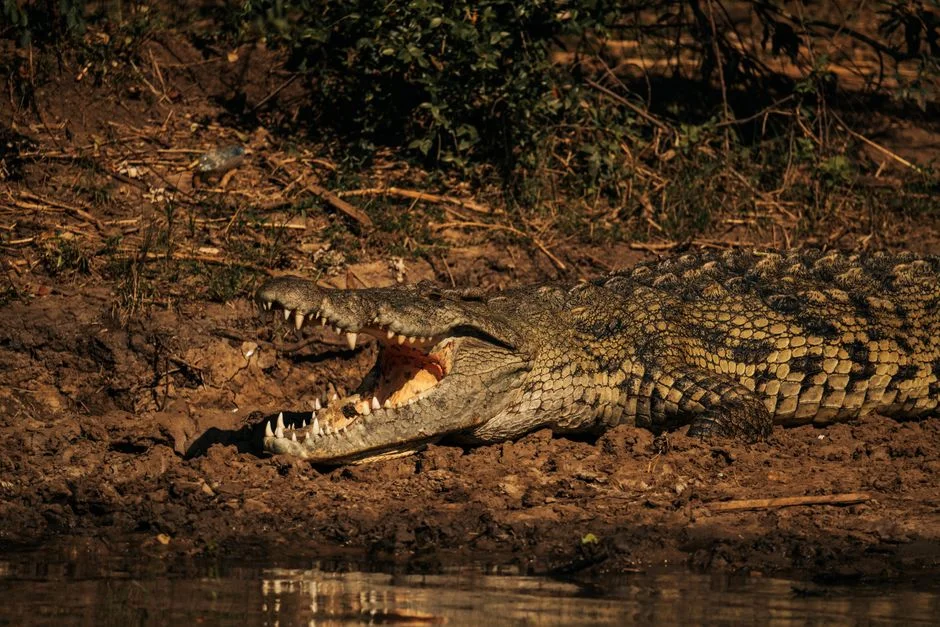
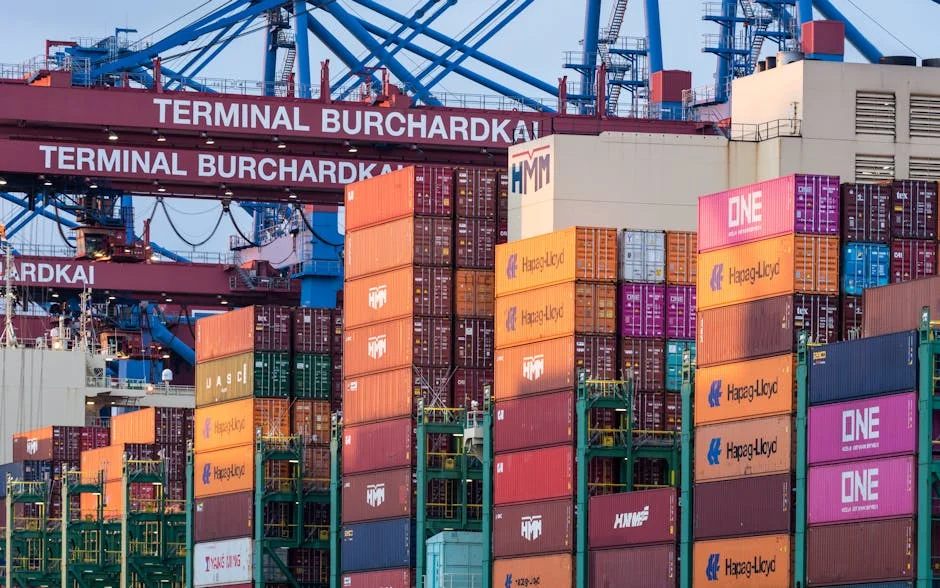
South Africa’s export-oriented donkey skin trade faces immediate scrutiny after gruesome conditions at the Brievo Abattoir in Limpopo were exposed. The revelation threatens to destabilise a niche but growing sector that relies on brand reputation and steady demand from China. Investors and local businesses must now assess the financial fallout of a commodity once considered a low-risk agricultural export.
Brievo Abattoir Under the Microscope
The Brievo Abattoir, located in the Musina region of Limpopo, has become the epicentre of a growing controversy regarding animal welfare and export quality. Video footage and on-the-ground reports reveal donkeys being skinned while still conscious, a practice that challenges the sanitary and humane standards demanded by international buyers. This specific incident at Brievo is not an isolated anecdote but a symptom of deeper structural weaknesses in the supply chain. The abattoir processes a significant volume of the national supply, making its operational integrity critical for the entire sector.
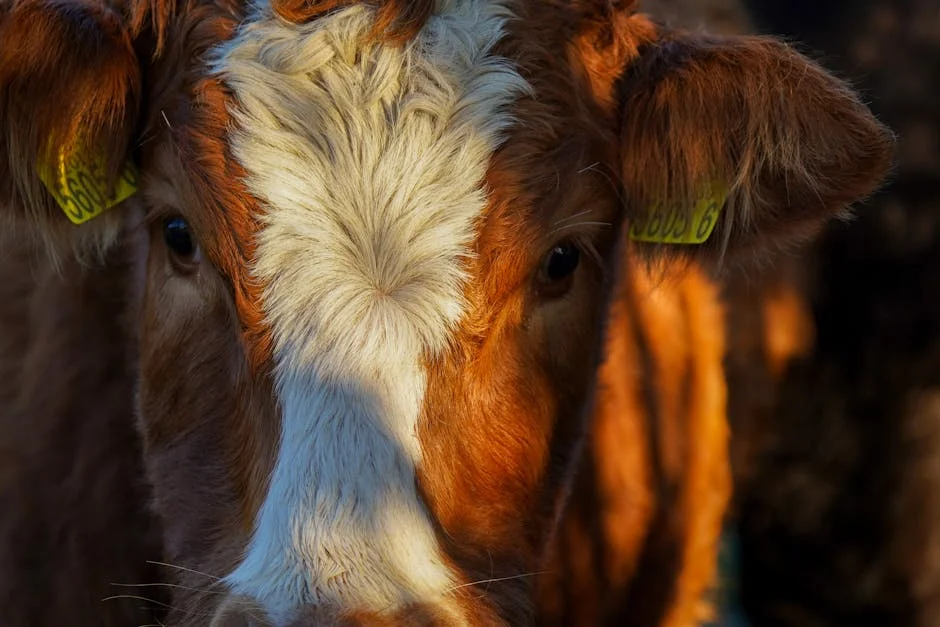
Market participants are reacting swiftly to the news. The perception of the South African donkey skin as a premium product is eroding. Buyers in Guangzhou, the primary global hub for the trade, are beginning to question the consistency of quality and the ethical sourcing of the hides. For local processors, this uncertainty translates directly into pricing power. If the 'South African' label becomes synonymous with quality control issues, exporters may face lower premiums or even temporary embargoes from discerning buyers.
Economic Implications for Local Businesses
The donkey skin trade contributes to the rural economy, particularly in provinces like Limpopo and the Eastern Cape. Smallholder farmers and middlemen rely on the steady influx of cash from the sale of donkeys to their abattoirs. The current crisis introduces volatility into this revenue stream. If exports slow down due to reputational damage, the cash flow for thousands of rural households could dry up, affecting local spending patterns and agricultural investment.
Businesses involved in logistics, cold storage, and leather processing are also at risk. The value chain is tightly integrated; a bottleneck or quality rejection at the Brievo Abattoir ripples through to the final consumer in Asia. Companies that have invested in infrastructure to handle the donkey skin volume now face the risk of underutilised capacity. This inefficiency increases per-unit costs, squeezing profit margins for operators who were previously enjoying healthy returns on investment.
Supply Chain Vulnerabilities
The exposure at Brievo highlights the fragility of a supply chain that was built for speed rather than resilience. The system relies on a constant flow of donkeys from rural areas to processing plants. Any disruption in this flow, whether due to quality concerns or logistical failures, can lead to immediate financial losses. The lack of diversified processing centres means that a single point of failure, such as the Brievo Abattoir, can impact the national export volume significantly.
Investors need to evaluate the risk concentration in this sector. The current model depends heavily on a few large abattoirs handling the bulk of the national supply. This concentration creates vulnerability to operational shocks. A more resilient system would require a broader base of certified processing facilities, reducing the impact of any single facility's failure on the overall market stability.
The Role of Key Stakeholders

Several key figures and organisations are central to the unfolding narrative. Reneke During, a prominent voice in the industry, has been actively involved in addressing the crisis. Her statements and actions will likely influence how the market perceives the response from industry leaders. During’s analysis of the situation provides insight into the internal challenges faced by abattoir operators and the pressure they face to maintain efficiency while improving standards.
The National Council for the Donkey Skin Trade is also under pressure to enforce stricter regulations. This body is responsible for overseeing the certification process that guarantees the quality and origin of South African donkey skins. Their ability to enforce compliance at facilities like Brievo will determine the long-term credibility of the national brand. If the Council fails to act decisively, the market may lose confidence in the certification system, leading to increased due diligence costs for buyers.
Schweizer, another key stakeholder, has highlighted the need for transparency in the supply chain. The market demands clear visibility into how animals are sourced and processed. Without this transparency, buyers will continue to discount South African skins in favour of competitors who can offer greater assurance of quality and ethical standards. The actions of these individuals and organisations will shape the regulatory environment and the competitive position of South Africa in the global market.
Market Reactions and Investor Sentiment
Financial markets are sensitive to reputational risks, especially in commodity sectors where brand value is a key differentiator. The donkey skin trade is no exception. Investors who have allocated capital to this sector are now reassessing the risk-return profile. The potential for price volatility has increased, as buyers may adopt a 'wait and see' approach until the situation at Brievo and other abattoirs stabilises.
Export revenues could see a temporary dip as buyers negotiate lower prices or delay shipments. This impact is not just limited to the abattoirs but extends to the broader agricultural sector in Limpopo. The ripple effects can be seen in local employment, transport services, and related industries. The economic data from the region will need to be closely monitored to gauge the full extent of the financial impact.
Furthermore, the crisis may trigger a re-evaluation of investment strategies in the agricultural export sector. Investors may demand higher risk premiums or seek more diversified exposure to mitigate the impact of single-facility failures. This shift in investor sentiment could influence funding availability for expansion and modernisation projects within the donkey skin industry.
Regulatory Response and Future Outlook
The regulatory response to the Brievo Abattoir crisis will be a critical determinant of the sector’s future. The Department of Agriculture, Land Reform and Rural Development is expected to launch a comprehensive audit of major abattoirs. This audit will focus on animal welfare, hygiene standards, and the accuracy of certification documentation. The findings will inform potential sanctions, fines, or even temporary closures of non-compliant facilities.
Stricter enforcement of regulations is likely to increase operational costs for abattoirs. However, this cost may be justified by the potential for premium pricing in the global market. If South Africa can demonstrate a commitment to high standards, it can differentiate its product and capture a larger share of the high-end segment. This strategic positioning requires coordinated effort from industry bodies, government regulators, and individual operators.
The market is watching for clear signals of reform. Investors will look for concrete actions, such as the implementation of third-party audits, the adoption of technology for traceability, and the establishment of a robust grievance mechanism for stakeholders. These measures will help restore confidence and stabilise the market. The pace of implementation will influence the timeline for recovery and the long-term competitiveness of the South African donkey skin trade.
Investment Considerations
For investors, the current crisis presents both risks and opportunities. The immediate risk is price volatility and potential reputational damage. However, the opportunity lies in identifying operators who are proactively addressing the issues and positioning themselves for long-term growth. Companies that invest in modernisation and transparency may emerge as market leaders, commanding higher valuations.
Due diligence is essential. Investors should examine the operational practices of abattoirs, the strength of their supply chain, and their relationships with key buyers. Understanding the regulatory landscape and the potential for future policy changes is also crucial. This detailed analysis will help investors make informed decisions and manage their exposure to the donkey skin sector.
What to Watch Next
The coming weeks will be critical for the South African donkey skin trade. The results of the regulatory audit of the Brievo Abattoir and other major facilities will provide the first concrete data on the extent of the quality control issues. Investors and businesses should monitor the announcements from the National Council for the Donkey Skin Trade and the Department of Agriculture for updates on enforcement actions.
Market participants should also watch for changes in export volumes and pricing trends in Guangzhou. Any significant shift in buyer behaviour will signal the depth of the reputational damage and the speed of recovery. Additionally, statements from key industry figures like Reneke During and Schweizer will offer insights into the strategic responses being adopted by the sector. The ability of the industry to turn this crisis into an opportunity for modernisation will determine its long-term economic viability.
See Also
- Multichoice Confirms Shutdown of Showmax Streaming Service After 11 Years — what it means for South Africa
- Domestic Animal Rescue Group Faces Financial Fallout From Cruelty Scandal
What is the latest news about brievo abattoir crisis exposes south africas donkey skin trade risks?
Why does this matter for economy-business?
What are the key facts about brievo abattoir crisis exposes south africas donkey skin trade risks?