Nigeria has imposed a temporary ban on wheat imports, citing concerns over the country's worsening currency crisis and rising food prices. The decision, announced by the Ministry of Trade on Monday, comes as the naira continues to depreciate against the US dollar, pushing up the cost of essential goods. The move has already triggered market reactions, with traders and investors closely watching the implications for food security and inflation.
Import Ban Sparks Immediate Market Reactions
The ban, which affects all wheat imports until further notice, has led to a sharp increase in local prices. According to the National Bureau of Statistics, the price of a 50kg bag of wheat flour rose by 15% in the first week following the announcement. This has placed additional pressure on households already struggling with rising inflation, which hit 22.3% in March 2024.
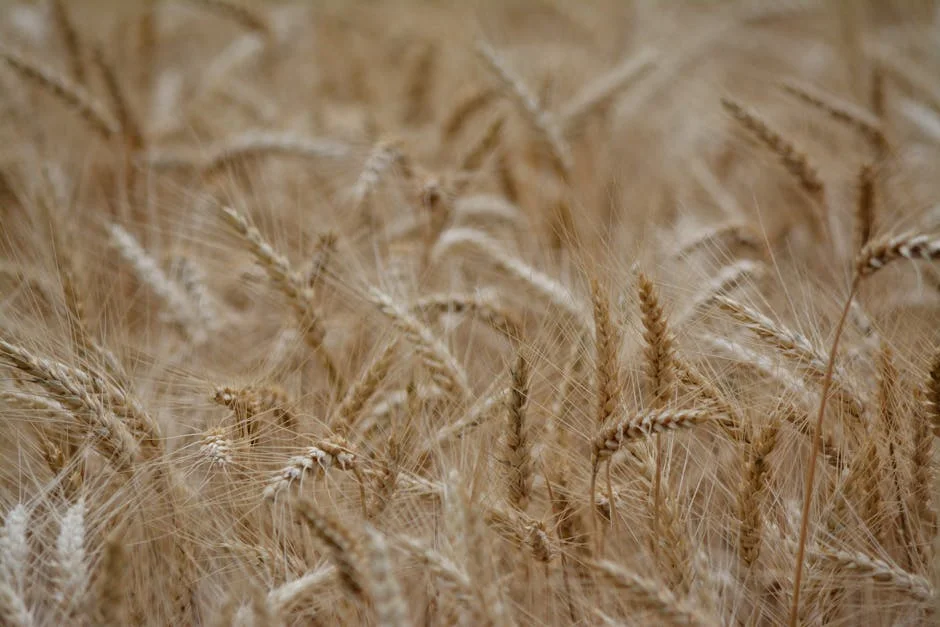
Businesses reliant on wheat, including bakeries and food processors, have expressed concern over the impact on their operations. "We have to find alternative sources or face higher costs," said Amina Bello, a baker in Kano. The city, known as the commercial hub of northern Nigeria, has seen a surge in flour prices, affecting both producers and consumers.
Investor Concerns Over Economic Stability
Investors have reacted cautiously to the news, with the Nigerian Stock Exchange (NSE) seeing a slight decline in the first trading session after the announcement. The NSE All-Share Index fell 0.8%, reflecting concerns over the government’s ability to manage the economic crisis. Analysts warn that the import ban could lead to further disruptions in supply chains and potentially increase the trade deficit.
“This move signals a shift in economic policy, but it also highlights the government’s struggle to control inflation,” said Dr. Chukwuma Okoro, an economist at the University of Lagos. “Without a clear strategy to stabilize the naira, the impact on businesses and consumers will only worsen.”
Business Implications Across Sectors


The wheat import ban has triggered a ripple effect across multiple industries. Flour mills, which previously sourced most of their raw materials from international markets, are now facing a shortage. Some companies have started importing wheat from neighboring countries, but the cost has increased significantly due to exchange rate fluctuations.
Food retailers are also feeling the pressure. In Lagos, one of the country’s largest cities, prices for bread and pasta have risen by up to 20% in some stores. “We are trying to pass on the cost to consumers, but demand is down,” said Bashir Adamu, a supermarket owner in the Ikeja district. “It’s a difficult balance to maintain.”
Impact on Small-Scale Farmers
While the ban is aimed at reducing dependence on foreign imports, small-scale farmers have not yet seen a significant boost in local production. According to the Federal Ministry of Agriculture, local wheat output remains low, with only 15% of the country’s annual demand met by domestic sources. This has left farmers unable to fill the gap, further straining the market.
What’s Next for the Nigerian Economy?
The government has not yet announced a timeline for lifting the ban, but officials have hinted that the decision is part of a broader strategy to strengthen the local agricultural sector. However, without immediate measures to stabilize the naira and boost local production, the long-term effects of the import restrictions remain uncertain.
Investors and businesses are now closely monitoring the government’s next steps, including potential subsidies for local farmers and currency controls. The Central Bank of Nigeria (CBN) is expected to release an updated economic outlook in the coming weeks, which could provide further clarity on the path forward.
The coming months will be critical for Nigeria’s economic stability. With inflation still high and the naira under pressure, the impact of the wheat import ban will likely extend beyond the food sector, influencing investment flows, trade policies, and consumer behavior. What happens next could shape the country’s economic trajectory for years to come.
See Also
- Brievo Abattoir Crisis Exposes South Africa’s Donkey Skin Trade Risks
- Trump's Team Torn Over Next Steps: Exit or Escalate?