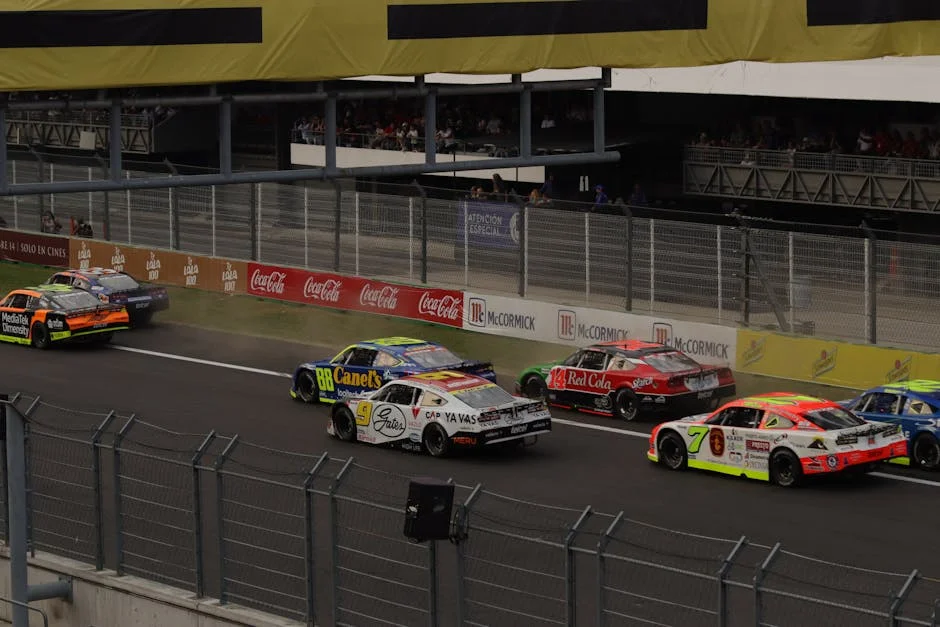
Race car driver Miettinen died following a seven-car collision during the Nurburgring 24 Hours race on Saturday, sending shockwaves through the motorsport community. The crash occurred on the notorious Nordschleife circuit in Germany, a location known for its challenging layout and high speeds. Miettinen, a 34-year-old Finnish driver, was part of the #119 GT3 entry and was pronounced dead at the scene after sustaining critical injuries.
Impact on Motorsport Industry
The tragedy has sparked immediate calls for a review of safety protocols at high-speed endurance races. The Nurburgring, one of the most iconic tracks in motorsport, has long been a testing ground for both drivers and vehicles. However, this incident has reignited debates about the risks involved in such events.
The German Federal Motor Transport Authority (KBA) has announced an investigation into the crash, with a preliminary report expected within two weeks. "This is a deeply tragic event, and we will work closely with the race organizers to ensure such a tragedy does not happen again," said a KBA spokesperson.
Market and Investment Reactions
The incident has had a ripple effect on motorsport-related investments and sponsorships. Major brands such as Porsche and BMW, which have long supported endurance racing, have issued statements expressing their condolences and reaffirming their commitment to safety. However, some investors are now re-evaluating their exposure to motorsport events.
Shares of motorsport event organizers, including the Nurburgring Management GmbH, saw a slight dip in early trading. The company, which manages the circuit, reported a 12% drop in its stock price on Monday. Analysts suggest the long-term impact on the sector remains uncertain, but the focus on safety is likely to drive increased spending on safety technology.
Business Implications for Racing Teams
Racing teams are now under pressure to reassess their risk management strategies. The incident has led to discussions about the need for more advanced driver protection systems, including improved roll cages and real-time health monitoring equipment. Some teams have already begun implementing new safety measures ahead of the next race season.
"This event has changed the way we think about safety," said a team manager from the #119 GT3 entry. "We will be working with engineers to ensure our drivers are as protected as possible moving forward."
What to Watch Next
The KBA's investigation is expected to provide clarity on the cause of the crash and whether any regulatory changes are necessary. Additionally, the International Motor Sports Association (IMSA) has announced plans to hold a global safety summit in the coming months. This summit will bring together drivers, teams, and officials to discuss best practices and new technologies in motorsport safety.
For investors, the next few weeks will be critical. The performance of motorsport-related stocks, as well as the response from major sponsors, will indicate whether the industry is on a path to recovery or if long-term changes are needed.
See Also
- Benni Rules Out Bafana Job but Endorses Broos — What This Means for South Africa
- Yash Raj Punja Makes IPL Debut, Sparks Cricket Frenzy
Analysts suggest the long-term impact on the sector remains uncertain, but the focus on safety is likely to drive increased spending on safety technology. The performance of motorsport-related stocks, as well as the response from major sponsors, will indicate whether the industry is on a path to recovery or if long-term changes are needed.
What is the latest news about miettinen dies in nurburgring crash racing industry reacts?
Why does this matter for economy-business?
What are the key facts about miettinen dies in nurburgring crash racing industry reacts?