Nigeria’s National Bureau of Statistics has released new data revealing a troubling divergence in the country’s cost of living. While annual inflation figures show a slight cooling, monthly prices for staple foods like beans and eggs are rising sharply. This trend signals persistent pressure on households and businesses across the nation.
Monthly Food Prices Continue to Climb
The latest report highlights that consumers in Lagos and Abuja are paying more each month for basic groceries. Beans, eggs, and garri have seen consistent monthly increases despite the broader annual index stabilizing. This discrepancy creates confusion for investors trying to gauge the true health of the Nigerian economy.
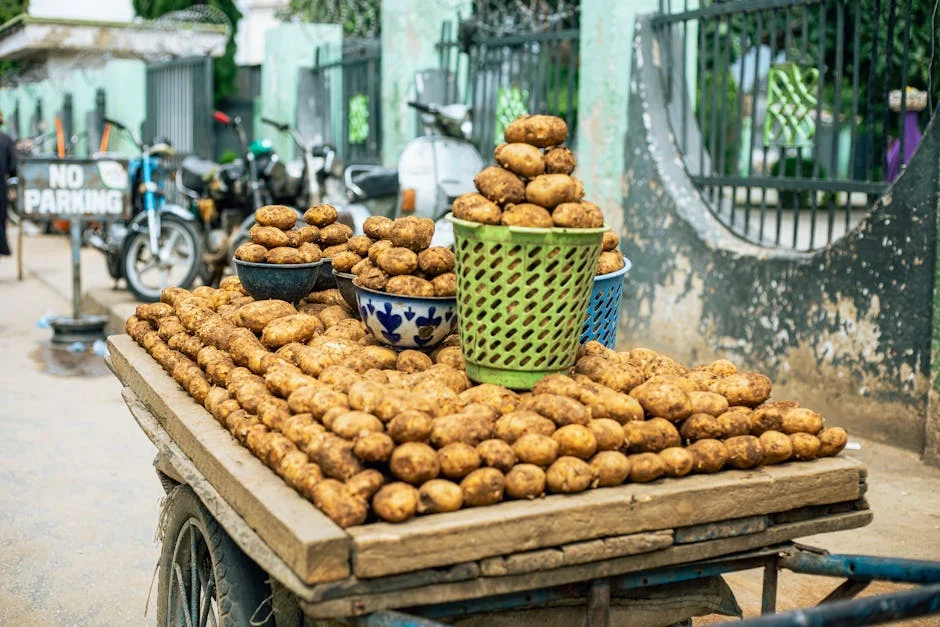
Households are feeling the pinch as wages fail to keep pace with these monthly spikes. The cost of a standard basket of goods continues to erode purchasing power for the average Nigerian citizen. Businesses in the retail and food processing sectors are adjusting their pricing strategies in response.
Economists warn that ignoring monthly volatility can lead to underestimating the burden on consumers. The National Bureau of Statistics emphasizes the importance of looking beyond annual aggregates. Monthly data provides a more granular view of immediate market pressures.
Impact on Local Businesses and Retailers
Small and medium enterprises are struggling with the unpredictability of input costs. Food processors in Kano and Onitsha are facing higher prices for raw materials like beans and maize. These costs are being passed on to consumers, further fueling the inflationary spiral.
Retailers report that inventory turnover has slowed as customers become more price-sensitive. Many shoppers are switching to cheaper alternatives or buying in smaller quantities. This shift in consumer behavior affects revenue projections for major supermarket chains.
Supply Chain Disruptions
Logistics costs remain a significant factor driving up food prices. Fuel price fluctuations directly impact the cost of transporting goods from farms to markets. The Northern regions, which produce much of the country’s beans, face additional transport hurdles.
Infrastructure challenges in key agricultural zones exacerbate the problem. Poor road conditions increase delivery times and spoilage rates for perishable items like eggs. These inefficiencies add a premium to the final price paid by the end consumer.
Investor Sentiment and Market Reactions


Foreign investors are closely monitoring these inflation trends for signals of monetary policy shifts. The Nigerian stock market has shown volatility in response to the latest statistics. Companies in the consumer goods sector have seen mixed reactions from analysts.
The Naira’s exchange rate plays a crucial role in determining import costs for food items. A weaker currency makes imported goods more expensive, affecting domestic prices. Investors are watching for central bank interventions to stabilize the currency.
Market analysts suggest that sustained monthly inflation could delay economic recovery. The banking sector may respond with higher interest rates to curb spending. This would increase borrowing costs for businesses, potentially slowing down expansion plans.
The Role of the National Bureau of Statistics
The National Bureau of Statistics is tasked with providing accurate and timely economic data. Their reports are essential for policymakers making decisions on fiscal and monetary policy. The credibility of the NBS is vital for maintaining investor confidence.
Critics argue that the bureau needs to update its methodology to reflect modern consumption patterns. Including more digital transactions and service-based costs could provide a clearer picture. The current focus on goods may understate the inflation experienced by urban dwellers.
The bureau’s recent emphasis on monthly data is a step towards greater transparency. It allows for more frequent adjustments in economic strategies. Policymakers can react faster to emerging trends rather than waiting for annual summaries.
Broader Economic Implications for Nigeria
High food inflation disproportionately affects the poor, who spend a larger share of their income on food. This can lead to increased social unrest and political pressure on the government. The ruling party must address these concerns to maintain public support.
The agricultural sector is under pressure to boost productivity and reduce post-harvest losses. Investing in storage facilities and irrigation can help stabilize supply. Government subsidies for fertilizers and seeds may also help lower production costs.
Inflation impacts national savings and investment rates. When prices rise, the real value of savings decreases, discouraging domestic investment. This can slow down economic growth in the long run if not managed effectively.
Comparative Analysis with Regional Neighbors
Nigeria’s inflation rate is higher than some of its West African neighbors. Countries like Ghana and Senegal have experienced different inflationary pressures due to varying monetary policies. Understanding these differences can offer lessons for Nigerian policymakers.
The Common Market for Eastern and Southern Africa also faces food price volatility. However, their approaches to currency management and trade agreements differ from Nigeria’s. Regional cooperation could help stabilize food prices across borders.
Investors often compare Nigeria’s economic indicators with those of South Africa and Kenya. These comparisons help assess relative risks and opportunities in the African market. Nigeria’s large population makes it a key player in the continental economy.
Future Outlook and Key Indicators
Looking ahead, the focus will be on the central bank’s next monetary policy committee meeting. Investors will watch for changes in the benchmark interest rate. Any adjustment will signal the bank’s confidence in taming inflation.
Agricultural output in the upcoming harvest season will be a critical factor. A bumper crop could help ease supply constraints and lower prices. Conversely, adverse weather conditions could exacerbate the current inflationary pressures.
Policymakers must balance the need for growth with the urgency of controlling inflation. The coming months will be decisive for the Nigerian economy. Stakeholders should monitor the National Bureau of Statistics for further updates on price trends.
See Also
- Investors Brace for Gold Volatility Amid Iran Conflict: What It Means for South Africa
- Mukesh Ambani Delays Jio IPO Amid Regulatory Limbo — What It Means for Africa