South African tech startups are seeing a surge in demand for virtual reality (VR) solutions as older adults increasingly use the technology to combat social isolation. A 2023 study by the University of Cape Town found that 42% of participants aged 60 and above reported feeling more connected after using VR platforms for social engagement. The rise has prompted interest from investors and businesses looking to tap into this growing market.
VR Adoption Among Older Adults Grows
South Africa’s aging population, with over 10 million people aged 60 and above, has created a unique demand for digital solutions to address loneliness. VR platforms like MindMaze and Virtual Reality SA are offering immersive experiences, from virtual travel to group video calls, to help seniors stay engaged. According to the National Department of Health, 68% of older adults in urban areas report limited social interaction, fueling the push for tech-based solutions.
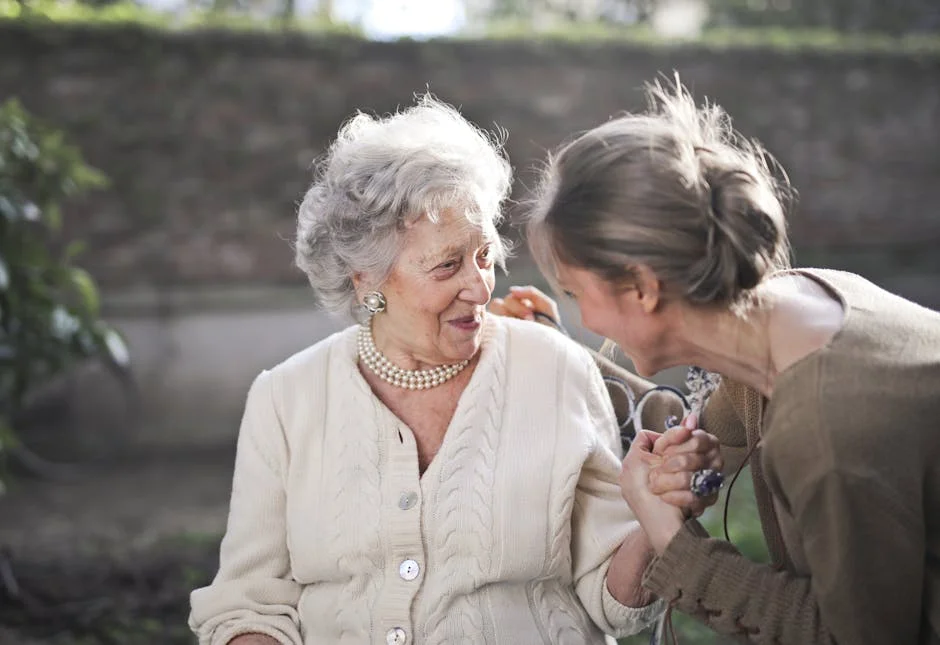
“We’ve seen a 200% increase in VR adoption among seniors since 2022,” said Lulama Nkosi, CEO of Virtual Reality SA. “It’s not just about entertainment — it’s about creating real connections.” The company has partnered with local community centres in Johannesburg and Cape Town to provide free VR sessions to elderly residents, with plans to expand to Durban by the end of 2024.
Market Reactions and Investment Trends
Investors are taking notice. A recent report by the South African Venture Capital Association (SAVCA) noted a 35% increase in funding for health-tech startups targeting elderly care. Companies like MindMaze, which focuses on cognitive engagement, have raised $2.1 million in Series A funding, with plans to scale their services across the continent.
The market potential is significant. According to a 2023 report by Frost & Sullivan, the global VR healthcare market is projected to reach $2.4 billion by 2027, with South Africa emerging as a key player due to its early adoption of digital solutions. “This is a sector with long-term growth potential,” said Riaan van den Berg, a tech analyst at InvestSA. “Investors are looking for scalable models that address real social challenges.”
Business Implications and Challenges


For businesses, the rise of VR in elderly care presents both opportunities and hurdles. While the demand is clear, accessibility remains a challenge. Many older adults lack access to high-speed internet or the necessary hardware. To address this, companies are partnering with telecom providers like MTN and Vodacom to offer subsidized VR packages and internet bundles.
“We’re not just selling technology — we’re building infrastructure,” said Nkosi. “It’s about making sure that seniors can use these tools without barriers.” The government has also launched the Digital Inclusion Initiative, which aims to provide free digital literacy training to 500,000 older adults by 2025. This initiative is expected to further boost VR adoption and reduce the digital divide.
Healthcare and Social Impact
VR is not only improving social engagement but also showing benefits in mental health. A pilot program in Soweto, led by the South African Mental Health Association, found that regular VR use reduced symptoms of depression by 30% among participants. “The sense of presence and interaction is key,” said Dr. Thandiwe Mokoena, a psychologist involved in the study. “It’s like being in a real-world environment without the physical limitations.”
The success of these programs has led to calls for more government support. “This is a win-win for society and the economy,” said Mokoena. “It reduces healthcare costs and improves quality of life.”
What’s Next for VR in South Africa?
The future of VR in elderly care looks promising, but challenges remain. As the market grows, so does the need for regulation, data security, and ethical use. Investors are advised to monitor developments in policy and technology closely. Meanwhile, businesses must continue to innovate and adapt to the unique needs of older users.
By 2025, the government plans to roll out a national VR initiative aimed at connecting 1 million older adults through digital platforms. For investors and businesses, this represents a significant opportunity — and a growing responsibility. The next few years will determine how effectively South Africa can leverage VR to transform elderly care and create a more inclusive digital future.
See Also
- Camavinga Shames Mallorca in Training Showdown
- India Demands Centre's Response Over 26 Citizens in Russia
Healthcare and Social Impact VR is not only improving social engagement but also showing benefits in mental health. For investors and businesses, this represents a significant opportunity — and a growing responsibility.