The global market for non-fungible tokens has undergone a brutal correction, stripping billions in value from digital collectibles and exposing the fragility of the new asset class. Investors who entered the frenzy in 2021 are now facing harsh realities as trading volumes plummet and liquidity dries up across major exchanges. This shift marks a critical juncture for the broader digital economy, forcing businesses and financiers to rethink the utility of blockchain-based assets.
The Scale of the Digital Asset Correction
Total annual trading volume for NFTs has fallen from a peak of over $41 billion in 2021 to less than $5 billion in 2023. This dramatic contraction signals a shift from speculative mania to a more cautious, utility-driven market. The bubble has not just burst; it has deflated slowly, catching latecomers off guard as floor prices for blue-chip collections like CryptoPunks and Bored Ape Yacht Club have halved.
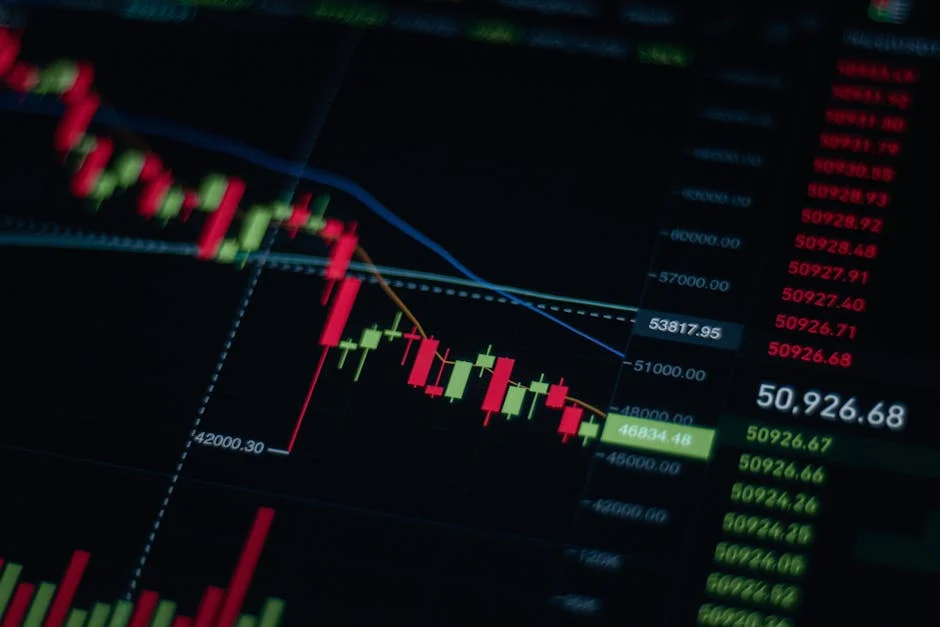
For the average investor, this means that the "set and forget" strategy that worked during the initial boom is no longer viable. Market makers are pulling back, and the spread between buying and selling prices has widened, making it harder to exit positions without taking a loss. This liquidity crunch is particularly painful for those who leveraged their holdings to fund further purchases.
The correction is not uniform across all categories. While profile picture (PFP) projects have suffered the most, gaming and real-world asset tokenization are showing signs of resilience. This divergence suggests that the market is maturing, separating hype from genuine technological application. Investors must now look beyond the brand name and examine the underlying revenue models of these digital entities.
Business Implications for Traditional Enterprises
Corporations that rushed into the NFT space to engage with younger demographics are now conducting rigorous audits of their digital strategies. Many brands launched token-gated experiences and digital merchandise without a clear path to monetization or customer retention. The result has been a wave of write-downs and strategic pivots as companies seek to extract real value from their digital assets.
In the fashion and luxury sectors, the initial excitement around digital twins has cooled. High-end brands are now focusing on using NFTs as verifiable certificates of authenticity rather than standalone collectibles. This shift reduces risk by tying the digital token to a tangible, high-value physical item. It provides a clearer utility for the end consumer, moving beyond pure speculation.
Tech companies are also re-evaluating their infrastructure investments. The cost of minting and storing NFTs on the blockchain, known as "gas fees," remains a significant barrier to entry for smaller businesses. Ethereum, the dominant blockchain for NFTs, has seen fluctuating transaction costs that can eat into profit margins. This has spurred interest in alternative layer-two solutions that offer faster and cheaper transactions.
Investor Risk and Portfolio Strategy


Individual investors are learning that NFTs are highly correlated with the broader cryptocurrency market, particularly Bitcoin and Ethereum. When Bitcoin dips, NFT floor prices often follow with a lag, creating a double-whammy for holders. This correlation means that NFTs currently offer limited diversification benefits in a standard investment portfolio. They should be treated as high-risk, high-reward speculative assets rather than core holdings.
The lack of standardization in valuation is another major challenge. Unlike stocks or bonds, NFTs are unique, making it difficult to apply traditional financial metrics like price-to-earnings ratios. This opacity can lead to mispricing and increased volatility. Investors need to rely on on-chain data and community sentiment analysis to gauge the health of a specific collection. Tools that track holder distribution and trading frequency are becoming essential for due diligence.
Risk management is more important than ever. Diversifying across different categories of NFTs—such as art, gaming, and real estate—can help mitigate the impact of a downturn in any single sector. However, given the overall market size, even a diversified NFT portfolio represents a small fraction of total wealth for most investors. This limits the potential for catastrophic loss but also caps the upside potential.
Regulatory Uncertainty and Legal Frameworks
Regulators around the world are still figuring out how to classify and tax NFTs. In the United States, the Securities and Exchange Commission has hinted that some NFTs could be treated as securities, which would subject them to stricter disclosure requirements. This regulatory overhang creates uncertainty for issuers and buyers alike. Clearer guidelines are needed to foster long-term growth and institutional adoption.
In Europe, the Markets in Crypto-Assets (MiCA) regulation is set to provide a comprehensive framework for digital assets. This could include specific provisions for NFTs, offering more legal certainty for businesses operating in the region. Investors should monitor these developments closely, as regulatory changes can quickly impact market sentiment and liquidity. Compliance costs may rise, but the trade-off could be a more stable and transparent market.
The South African Economic Perspective
South Africa has emerged as a significant hub for blockchain innovation in Africa, with a growing number of startups and investors entering the NFT space. The country's relatively stable internet infrastructure and a tech-savvy population have created a fertile ground for digital asset adoption. However, the recent global correction has had a tangible impact on local markets and investor confidence. Trading volumes on South African exchanges have mirrored the global trend, with a sharp decline in activity.
For the South African economy, the NFT market represents a potential source of foreign direct investment and job creation. Tech companies in Cape Town and Johannesburg are leveraging blockchain technology to build new financial products and services. However, the volatility of the asset class poses risks to small and medium-sized enterprises that have invested heavily in digital infrastructure. A sustained downturn could lead to consolidation, with stronger players acquiring or squeezing out smaller competitors.
The Reserve Bank of South Africa is closely monitoring the impact of digital assets on the local financial system. While NFTs are not yet a major component of the broader economy, their growth could influence monetary policy and financial stability. The central bank is exploring the potential for a digital rand, which could interact with the NFT ecosystem in the future. This could open up new opportunities for seamless transactions and smart contract integration.
Technological Evolution and Future Utility
Despite the market downturn, the underlying technology of NFTs continues to evolve. Improvements in blockchain scalability and interoperability are making it easier to use NFTs across different platforms and ecosystems. This technical progress is laying the groundwork for more sophisticated applications beyond simple digital art. We are seeing the emergence of dynamic NFTs that can change based on external data or user interaction.
The integration of artificial intelligence with NFTs is another area of rapid development. AI-generated art and music are creating new categories of digital collectibles, expanding the addressable market. These technologies are lowering the barrier to entry for creators, allowing more people to participate in the digital economy. This could lead to a more diverse and vibrant ecosystem in the long run.
Real-world asset tokenization is gaining traction as a practical use case for NFTs. This involves representing ownership of physical assets, such as real estate or commodities, on the blockchain. This can increase liquidity and reduce transaction costs for traditionally illiquid assets. Financial institutions are beginning to experiment with this model, which could drive the next wave of institutional adoption. The key will be establishing legal frameworks that recognize on-chain ownership.
Market Sentiment and Consumer Behavior
Consumer sentiment towards NFTs has shifted from euphoria to skepticism. Many early adopters are still holding their assets, betting on a long-term recovery. However, new entrants are more cautious, demanding clear utility and proven track records before committing capital. This change in behavior is forcing project creators to focus on building sustainable communities and delivering tangible value. The days of launching a collection and riding the hype train are largely over.
Social media plays a crucial role in shaping NFT market sentiment. Platforms like Twitter and Discord are where much of the news and analysis is shared. Influencers and key opinion leaders can still drive short-term price movements, but their power is waning as investors become more sophisticated. Data-driven analysis is becoming more important than pure narrative. Investors are looking at on-chain metrics and fundamental analysis to make informed decisions.
The community aspect of NFTs remains one of its strongest features. Many projects have built strong, engaged communities that provide support and drive engagement. This social capital can be a valuable asset, especially during market downturns. Projects that foster strong community ties are more likely to survive and thrive in the long term. This human element differentiates NFTs from other digital assets and adds a layer of resilience to the market.
Looking Ahead: Critical Developments to Monitor
The NFT market is at a crossroads, with the potential for either a slow, steady recovery or a prolonged period of stagnation. Investors and businesses should watch for several key indicators. First, the introduction of new, high-profile collections with strong utility could reignite market enthusiasm. Second, regulatory clarity from major economies like the US and Europe will provide a more stable foundation for growth. Finally, technological breakthroughs in scalability and interoperability could unlock new use cases and drive adoption.
For South African investors, keeping an eye on local regulatory developments and the performance of regional blockchain startups is essential. The country's position as a tech hub in Africa offers unique opportunities, but also exposes investors to specific regional risks. Engaging with local communities and staying informed about global trends will be crucial for navigating the evolving landscape. The next 12 months will be critical in determining the long-term viability of the NFT market.
As the dust settles, the NFT market is likely to emerge as a more mature and resilient sector of the digital economy. Those who have adapted to the new realities and focused on utility and community are well-positioned for future success. The journey is far from over, but the path forward is becoming clearer. Investors who remain patient and strategic will be rewarded as the market finds its footing.
See Also
- Gunmen Raid Nigeria Immigration Office, Drive Off with Firearms in Ogbomoso
- Proteas Target 2027 World Cup Glory on Home Soil: What It Means for South Africa
The Reserve Bank of South Africa is closely monitoring the impact of digital assets on the local financial system. While NFTs are not yet a major component of the broader economy, their growth could influence monetary policy and financial stability.