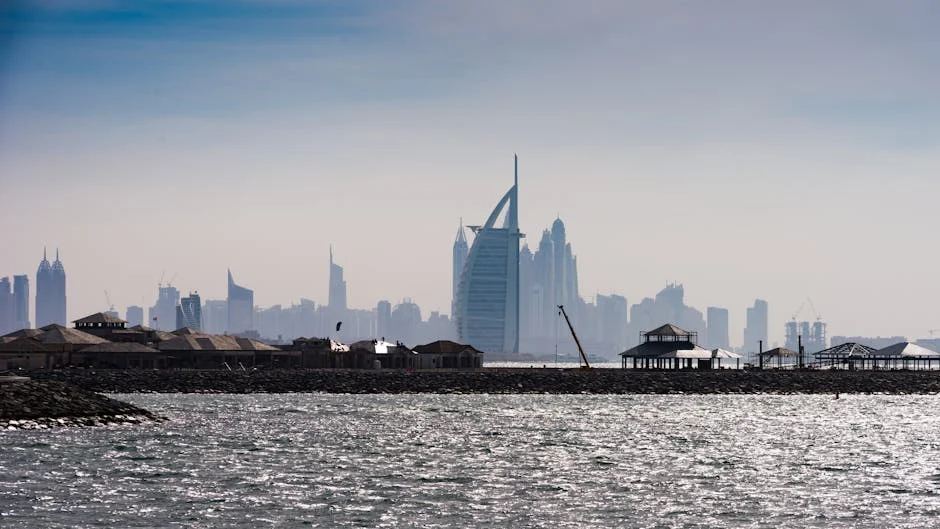
China is recalibrating its Africa strategy as regional tensions in the Middle East intensify, according to analysis from The Conversation Africa. The shift comes amid growing concerns over global supply chains and geopolitical alliances, with South Africa emerging as a key player in the evolving dynamic. The Conversation Africa, a leading pan-African platform, highlights how the conflict in the Middle East is accelerating China’s strategic pivot toward the continent.
China’s Strategic Reorientation
The Conversation Africa analysis reveals that China is prioritising direct investment in African infrastructure and energy projects, reducing reliance on Middle Eastern oil and gas. This move aligns with Beijing’s broader goal of securing stable supply lines and diversifying its economic footprint. According to the African Development Bank, China’s investment in Africa reached $25 billion in 2023, with South Africa accounting for a significant portion of that flow.

“China’s focus is shifting from trade to long-term strategic partnerships,” said Dr. Naledi Mokoena, an economist at the University of Cape Town. “The Middle East conflict has made it clear that over-reliance on a single region is risky.” The shift is particularly evident in South Africa, where Chinese firms are expanding into mining and renewable energy sectors.
Impact on Markets and Investors
Investors are closely watching the implications of this shift. South Africa’s stock market has seen a 3.2% rise in the past month, partly due to increased Chinese investment in infrastructure projects. The Johannesburg Stock Exchange (JSE) has noted a surge in foreign direct investment, with Chinese companies showing interest in renewable energy and logistics hubs.
“This is a game-changer for African markets,” said Mpho Mabaso, a financial analyst at Standard Bank. “Chinese investment brings capital, technology, and long-term stability. It’s not just about short-term gains anymore.” The Conversation Africa analysis also points to a growing interest in African commodities, with China looking to secure raw materials for its manufacturing sector.
However, the shift raises concerns among Western investors, who fear a potential loss of influence in the region. The European Union has warned that China’s growing presence could undermine local industries if not managed carefully.
Business Implications for African Nations


For African businesses, the shift in China’s strategy presents both opportunities and challenges. South African manufacturers, for instance, are seeing increased competition from Chinese imports, particularly in the automotive and electronics sectors. Yet, local companies are also benefiting from Chinese investment in infrastructure, which is expected to create thousands of jobs.
“We’re seeing a dual effect,” said Sipho Nkosi, CEO of a South African logistics firm. “On one hand, Chinese imports are pushing down prices. On the other, Chinese investment is boosting our infrastructure and creating new business opportunities.” The Conversation Africa analysis highlights that South Africa’s manufacturing sector is adapting, with some companies forming joint ventures with Chinese firms to remain competitive.
Small and medium enterprises (SMEs) are also feeling the impact. A recent survey by the South African Chamber of Commerce found that 40% of SMEs reported increased competition from Chinese imports, while 30% reported new partnerships with Chinese firms.
Geopolitical and Economic Consequences
The geopolitical implications of China’s strategy are significant. With tensions in the Middle East escalating, Africa is becoming a more attractive partner for China. The Conversation Africa analysis suggests that this shift could lead to increased diplomatic engagement between China and African nations, particularly in the areas of trade and security.
“Africa is no longer just a source of resources,” said Dr. Adebayo Adeyemi, a political analyst at the University of Nairobi. “It’s becoming a strategic partner in China’s global vision.” This shift is already influencing global trade dynamics, with African countries gaining more leverage in negotiations with major powers.
However, the economic consequences are not without risks. Some analysts warn that over-reliance on Chinese investment could make African economies vulnerable to external shocks. The Conversation Africa analysis notes that African governments must balance growth with economic sovereignty to avoid dependency.
South Africa as a Strategic Hub
South Africa is at the centre of this shift, serving as a gateway for Chinese investment into the continent. The country’s strategic location, established trade networks, and skilled workforce make it an attractive partner for Beijing. The Conversation Africa analysis highlights that South Africa’s industrial policy is increasingly aligned with Chinese interests, particularly in the energy and transport sectors.
“South Africa is positioning itself as a bridge between China and the rest of Africa,” said Dr. Naledi Mokoena. “This could bring long-term benefits, but it also requires careful management to ensure that local industries are not sidelined.” The government has announced plans to expand trade corridors and improve logistics, which are expected to attract further Chinese investment.
What to Watch Next
Investors and businesses should closely monitor the pace of Chinese investment in Africa, particularly in South Africa. The next few months will be critical as new trade agreements and infrastructure projects are finalised. The Conversation Africa analysis predicts that by 2025, Chinese investment in Africa could surpass $50 billion, with South Africa playing a central role.
See Also
- Bold Designs Transform South African Homes: How to Refresh Without Overdoing It
- Indian Man Takes Sister's Skeleton to Bank — Economy Faces Unusual Impact
What is the latest news about china shifts africa strategy as middle east tensions rise?
Why does this matter for economy-business?
What are the key facts about china shifts africa strategy as middle east tensions rise?