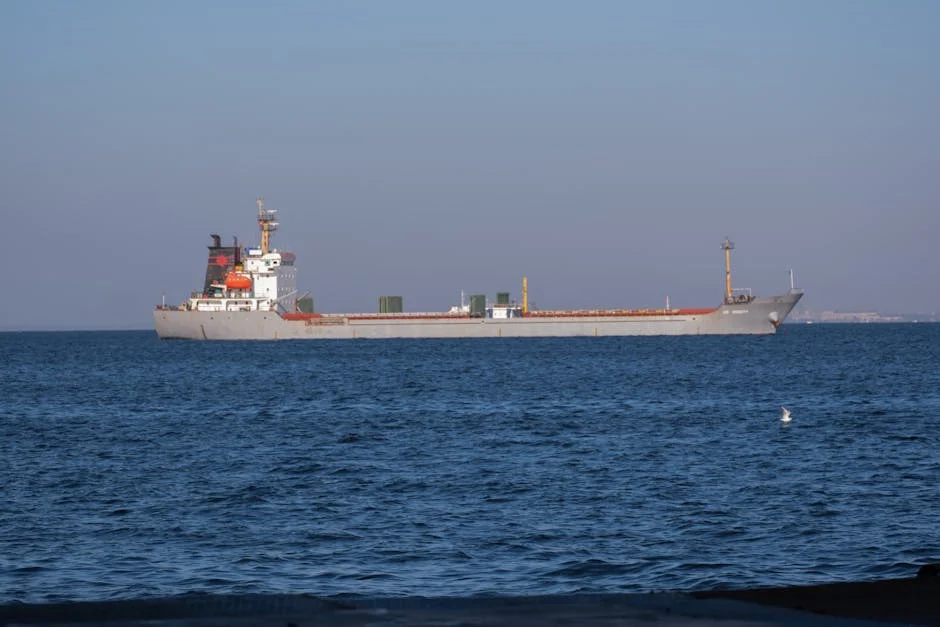
Pakistan’s energy ministry has issued a stark warning that the country could be forced to implement fuel rationing if tensions in the Hormuz Strait persist. The warning comes as global markets brace for potential disruptions following escalating conflicts involving Iran and regional powers. The situation has raised concerns among investors and businesses, particularly in energy-dependent sectors.
Pakistan’s Energy Minister Warns of Rationing
Energy Minister Muhammad Aurangzeb told local media that the country’s fuel reserves are under pressure due to the ongoing conflict in the Hormuz Strait. “If the situation does not stabilise, we may have to impose fuel rationing to ensure essential services remain operational,” he said. The minister cited a 25% increase in global oil prices over the past month as a key factor driving the concern.
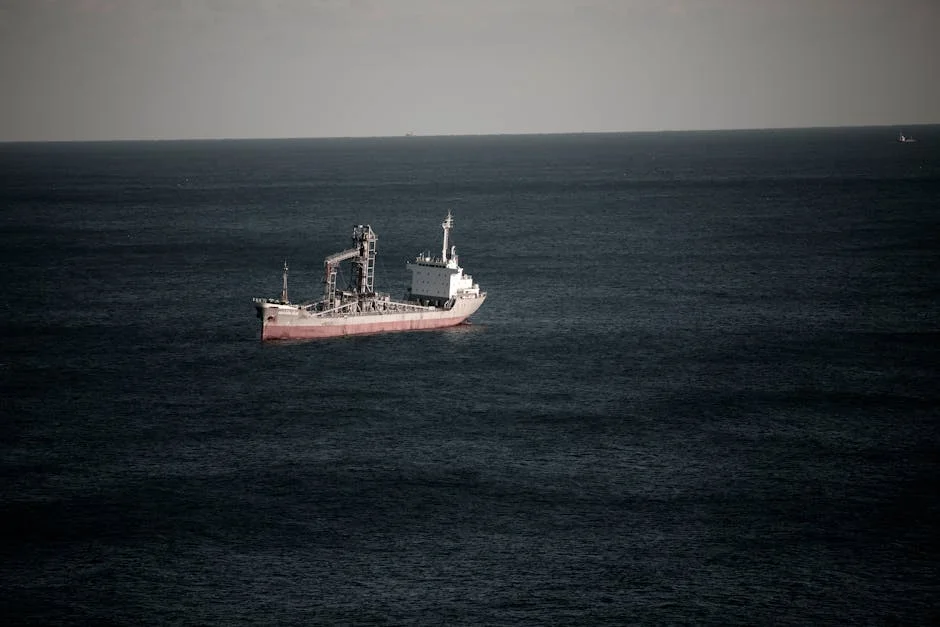
The Hormuz Strait, a vital shipping route for global oil supplies, has seen heightened tensions following recent clashes between Iranian and US forces. This has led to a surge in insurance costs for tankers and increased shipping delays. Pakistan, which imports over 80% of its crude oil, is particularly vulnerable to these disruptions.
“The country’s energy security is at risk,” said Dr. Ayesha Khan, an economist at the Lahore School of Economics. “Any prolonged disruption in the Hormuz Strait could lead to supply shocks, higher inflation, and reduced industrial output.”
Impact on Markets and Investors
Global markets reacted swiftly to the growing tensions. The price of Brent crude oil surged to $112 per barrel, its highest level since 2014. This has led to increased volatility in regional stock markets, with Pakistan’s KSE-100 index falling 2.3% in a single week. Investors are now closely watching how the situation unfolds and whether it could trigger a broader economic slowdown.
“The uncertainty is driving up risk premiums,” said David Smith, a portfolio manager at a Johannesburg-based investment firm. “We are seeing a shift in capital towards safer assets, such as gold and government bonds, as investors hedge against potential disruptions.”
For businesses, the rising cost of fuel is already having an impact. Manufacturing sectors in Lahore and Karachi have reported increased production costs, with some companies considering relocating operations to more stable regions. “We are preparing for a worst-case scenario,” said Raza Khan, CEO of a major textile firm in Lahore.
Regional Implications and Supply Chain Risks


The crisis in Hormuz has also raised concerns about the stability of regional supply chains. South Africa, which relies on oil imports from the Middle East, has seen its fuel prices rise by 15% in the past month. While the country has not yet announced any major policy changes, analysts warn that further disruptions could push it to consider alternative energy sources or regional partnerships.
“The situation is a wake-up call for African economies,” said Prof. Thandiwe Mokoena, an energy policy expert at the University of Cape Town. “Many countries are overly dependent on oil imports, and this crisis highlights the need for diversification.”
The While region, a key shipping corridor between the Middle East and Africa, has also seen increased scrutiny. Local authorities in South Africa are monitoring vessel traffic and considering additional security measures to prevent any spill-over effects from the Hormuz crisis.
What Comes Next?
As the situation in Hormuz remains volatile, the next few weeks will be critical for Pakistan and its regional partners. The energy ministry has announced a review of fuel import contracts, with a focus on securing long-term supply agreements. Meanwhile, investors are keeping a close eye on geopolitical developments and their potential impact on global markets.
“The key indicator to watch is the movement of oil tankers through the Hormuz Strait,” said Dr. Sarah Adams, a geopolitical analyst at the International Institute for Strategic Studies. “If there are further disruptions, we could see a sharp rise in global energy prices, which would have ripple effects across the world economy.”
For now, the focus remains on stabilising the region and preventing a full-blown energy crisis. Businesses and investors are advised to monitor developments closely, as the situation could evolve rapidly with significant economic consequences.