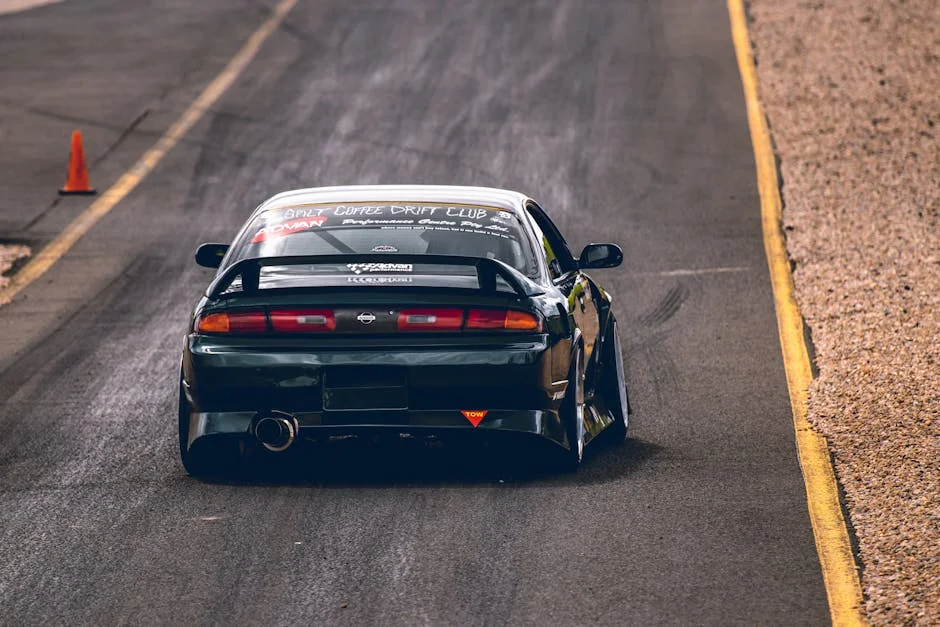
Soweto, a densely populated township in Johannesburg, has become the epicentre of a growing car culture that is drawing both admiration and concern. Known for its vibrant community spirit, Soweto is now witnessing a surge in car spinning – a practice where drivers perform high-speed, controlled drifts on local roads. The trend, popular among young Sowetans, has raised questions about road safety, environmental impact, and economic implications for the region.
Car Spinning Gains Momentum in Soweto
The phenomenon, often referred to as "Gusheshe" – a local term for spinning – has gained traction among Sowetans, many of whom view it as a form of self-expression and community bonding. According to the South African Police Service, incidents of reckless driving in the area have increased by 22% since 2022, with Soweto accounting for nearly 40% of these reports. This trend has sparked a debate about the balance between personal freedom and public safety.

Local officials, including the Soweto Community Safety Committee, have expressed concern over the growing number of accidents linked to the practice. "We see it as a form of youth engagement, but it's also putting lives at risk," said Thandiwe Mkhize, a member of the committee. "We need to find a way to channel this energy into safer, more constructive activities."
Economic Implications for Local Businesses
Businesses in Soweto, particularly those in the automotive and repair sectors, have noticed a shift in consumer demand. Car parts shops and mechanics report a 30% increase in sales of high-performance components and suspension systems. "More people are investing in their cars to participate in the spinning culture," said Mpho Khumalo, owner of a local auto shop. "It's a mixed blessing – while it's boosting sales, it's also creating a demand for more durable and expensive parts."
The trend has also led to an increase in street vendors selling car-related accessories and snacks near popular spinning spots. This has created a small but significant boost in informal employment. However, some local entrepreneurs worry that the focus on car culture could divert attention from other economic opportunities in the area.
Investor Interest and Market Reactions
Investors are taking note of the growing car culture in Soweto, with some seeing potential in the emerging market for performance cars and automotive accessories. A recent report by the Johannesburg Stock Exchange highlighted that the automotive sector in Gauteng, which includes Soweto, has seen a 15% rise in investments over the past year. "This trend could lead to new business opportunities, but it's also a reminder of the need for better infrastructure and regulation," said Sipho Dlamini, an economic analyst at the University of Johannesburg.
However, the lack of formal regulation has left many investors cautious. "We need clear guidelines on where and how this activity can take place," said Linda van Zyl, a venture capitalist focusing on emerging markets. "Without that, it's hard to predict the long-term impact on the economy."
Policy Responses and Community Concerns
The South African government has not yet issued a formal response to the rise of car spinning in Soweto. However, the Department of Transport has announced plans to review road safety policies in high-risk areas. "We are looking at ways to address the growing concerns without stifling youth creativity," said Transport Minister Lindiwe Sisulu in a recent statement.
Community leaders, meanwhile, are pushing for a more structured approach. "We need to create designated spaces for this activity and provide education on safe driving practices," said Mkhize. "It's about finding a balance between freedom and responsibility."
Environmental and Social Considerations
The environmental impact of the car spinning culture is also a growing concern. Increased vehicle use and modifications have led to higher emissions in the area, contributing to local air pollution. According to the South African Environmental Agency, Soweto has seen a 12% rise in carbon emissions over the past two years, partly due to the increased number of modified cars.
Socially, the trend has sparked a sense of identity among Sowetans. "It's a way for us to express ourselves and show that we can be innovative and creative," said Thabo Nkosi, a 24-year-old car enthusiast. "But we also want to make sure we're doing it safely."
What to Watch Next
As the trend continues to evolve, the focus will be on how local authorities and the business community respond. The upcoming meeting of the Soweto Community Safety Committee in June will be a key moment for discussions on regulation and infrastructure. Investors will also be watching closely for any policy changes that could affect the automotive sector. With the potential for both economic growth and social challenges, the future of Soweto's car culture remains uncertain but highly anticipated.