South Africa’s government announced a 25% increase in fuel prices, effective from Monday, sparking immediate backlash from drivers and businesses across the country. The move, made by the Department of Energy, comes amid rising inflation and a struggling economy, with petrol and diesel prices now among the highest in the region. The decision has drawn criticism from opposition parties and consumer groups, who argue it will further burden households already struggling with rising living costs.
Government Justifies Hike Amid Economic Pressures
The Department of Energy stated that the price increase was necessary to align local fuel prices with international market trends, which have been volatile due to global geopolitical tensions and supply chain disruptions. Minister of Energy, Kgosientso Ramokgopa, said the rise would help reduce the fiscal burden on the state-owned oil company, PetroSA, which has been losing billions annually due to underpriced fuel. “We are not making this decision lightly,” Ramokgopa said in a press statement. “But the economic reality is that we cannot continue subsidising fuel at current levels.”

The hike follows a series of fuel price adjustments over the past year, with diesel prices rising by 18% and petrol by 22% since January 2024. The latest increase brings the average price of regular petrol to R22.50 per litre in Johannesburg, a figure that has already caused concern among commuters and small businesses. “This is a direct hit to our wallets,” said Thandiwe Mbeki, a transport worker in Soweto. “We’re already paying more for food and electricity — now fuel is going up too.”
Impact on Daily Life and Economic Growth
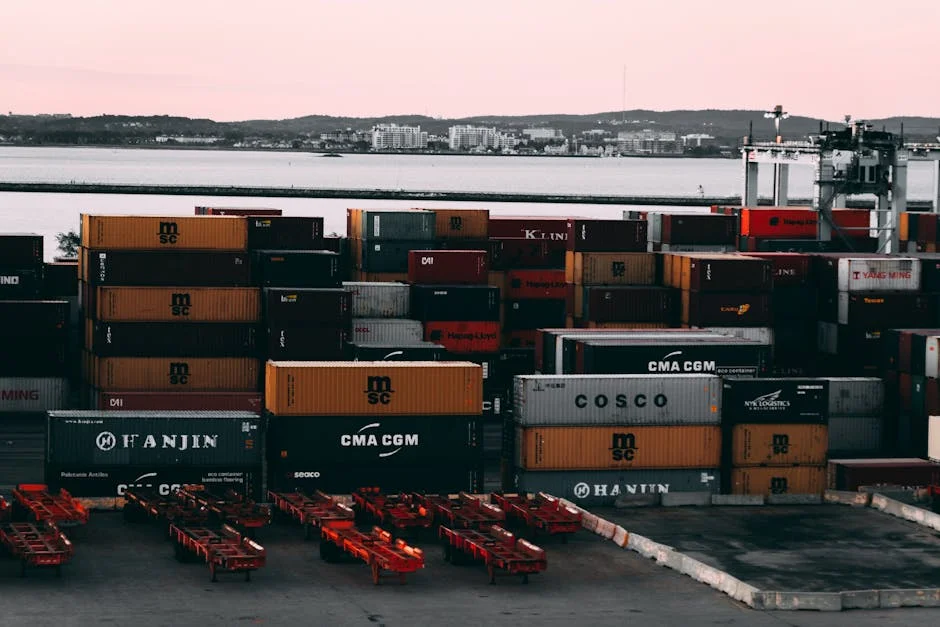
The fuel price hike is expected to have a ripple effect on the broader economy, particularly in sectors reliant on transportation and logistics. South Africa’s logistics industry, which accounts for 12% of GDP, has already warned of rising costs that could be passed on to consumers. The South African Transport and Allied Workers’ Union (SATAWU) has called for urgent negotiations with the government to mitigate the impact on workers. “This is not just about fuel — it’s about the cost of living,” said SATAWU General Secretary, Sipho Mthethwa. “We need a plan to protect vulnerable communities.”
Experts warn that the move could undermine efforts to achieve the African Union’s Agenda 2063, which prioritises economic transformation, infrastructure development, and job creation. South Africa, as the continent’s largest economy, plays a critical role in regional integration, but persistent energy and transport challenges have hindered progress. “Fuel prices are a key determinant of economic mobility,” said Dr. Noma Dlamini, an economist at the University of Cape Town. “If the government is not careful, this could set back development goals for years.”
Public Outcry and Political Fallout

Opposition parties have seized on the fuel price hike as a political opportunity, accusing the ruling African National Congress (ANC) of failing to address the cost-of-living crisis. The Democratic Alliance (DA) has called for an emergency parliamentary session to review the decision, while the Economic Freedom Fighters (EFF) have vowed to protest outside the Energy Department. “This is another example of the ANC’s inability to deliver on its promises,” said DA spokesperson, Mmusi Maimane. “The people are tired of being punished for the government’s mismanagement.”
The price increase has also reignited debates about the role of state-owned enterprises in South Africa’s economy. PetroSA, which has been under financial strain for years, has faced criticism for its inability to secure stable fuel supplies. The government has proposed a restructuring plan, but many remain sceptical. “We need a long-term energy strategy, not short-term fixes,” said Mthethwa. “Otherwise, we’ll be in the same situation next month.”
Regional Implications and Future Outlook
The fuel price hike in South Africa is part of a broader trend across the continent, where many countries are grappling with rising energy costs and limited infrastructure. Neighbouring countries such as Kenya and Tanzania have also announced fuel price increases this year, raising concerns about the impact on regional trade and economic integration. The African Development Bank has called for greater investment in renewable energy and infrastructure to reduce reliance on volatile global markets.
Looking ahead, the government faces mounting pressure to address the underlying causes of the crisis. With inflation expected to remain above 7% in the coming months, the central bank has warned of potential interest rate hikes that could further slow economic growth. The next major test for the government will come in late July, when the National Treasury is set to release its budget review. Analysts say the outcome could determine whether South Africa can avoid a deeper economic downturn.
As the country braces for the impact of the new fuel prices, the coming weeks will be crucial in shaping the trajectory of African development. With infrastructure, energy, and governance at the heart of the challenge, the decisions made in South Africa could have far-reaching implications for the continent’s progress toward sustainable growth and shared prosperity.
See Also