In a surprising move, Russia has declined to disclose its crude oil export data to India, citing concerns over 'ill-wishers' influencing market dynamics. This decision comes at a critical time as India emerges as a significant player in the global energy market, with potential implications for African countries dependent on oil revenue.
Russia's Decision and Its Implications
On October 10, 2023, Russian officials announced their reluctance to publish crude export statistics destined for India, raising eyebrows among analysts and policymakers. This refusal is seen as an attempt to protect national interests amid rising geopolitical tensions. India, which has been increasing its crude oil imports from Russia, now faces uncertainty in its energy supply chain.

Why India Matters to Africa's Development Goals
India's growing energy needs and its relationship with Russia are crucial for African nations that export crude oil. As India looks to diversify its energy sources, African oil-producing nations like Nigeria and Angola are eager to capture a share of the market. However, Russia's opaque export data could complicate these nations' efforts to strategise their exports effectively.
The Ripple Effects on South Africa

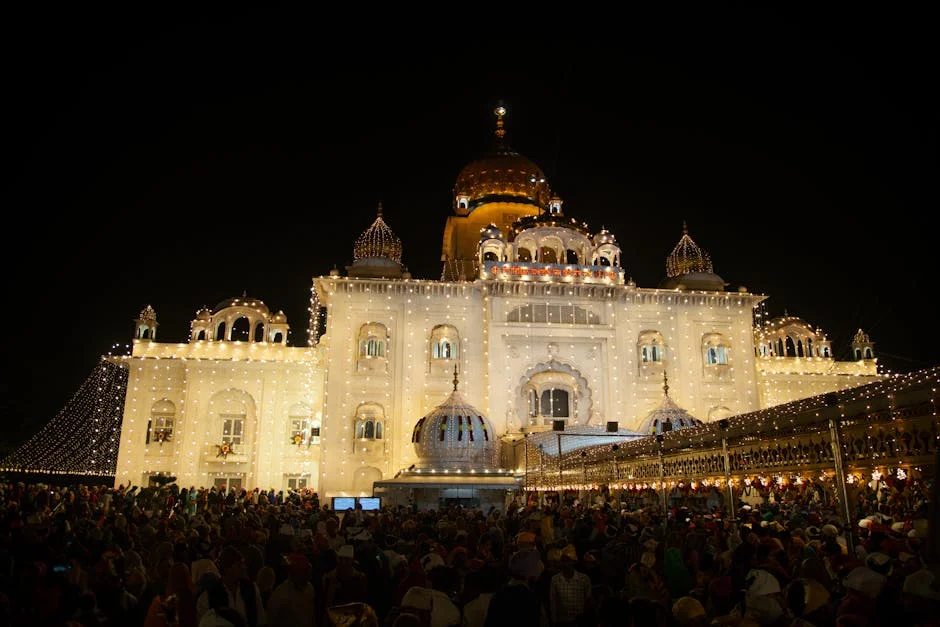
South Africa, which has been fostering closer ties with India in various sectors, should monitor these developments closely. With India accounting for a significant portion of South Africa's trade, changes in India's energy dynamics could affect economic growth and investment opportunities in the region. Furthermore, as South Africa grapples with its own energy challenges, the situation calls for a reassessment of energy partnerships.
Geopolitical Tensions and African Opportunities
The refusal to disclose export data underlines the growing geopolitical tensions between Russia and the West. This scenario presents a dual-edged sword for African countries: while it may hinder market predictability, it also opens up opportunities for African nations to engage more deeply with India. Collaborations between African producers and Indian refineries could leverage this shift in the global oil landscape.
What’s Next for India and Africa?
As India navigates its energy needs in the face of Russian secrecy, African nations must position themselves strategically to benefit from the potential shifts in the oil market. This situation highlights the importance of governance and transparency in trade relationships, underscoring the necessity for African countries to strengthen their institutional frameworks to attract investment and foster economic resilience. Stakeholders should watch how India balances its energy relationships in light of these developments and consider how this might shape future collaborations between India and Africa.
See Also
- Vinita Shukla’s Pothole Jolt Sparks Debate on Medical Ethics and Governance
- Helen Zille Slams ANC's Failures: Pledges to Revive Joburg's Image