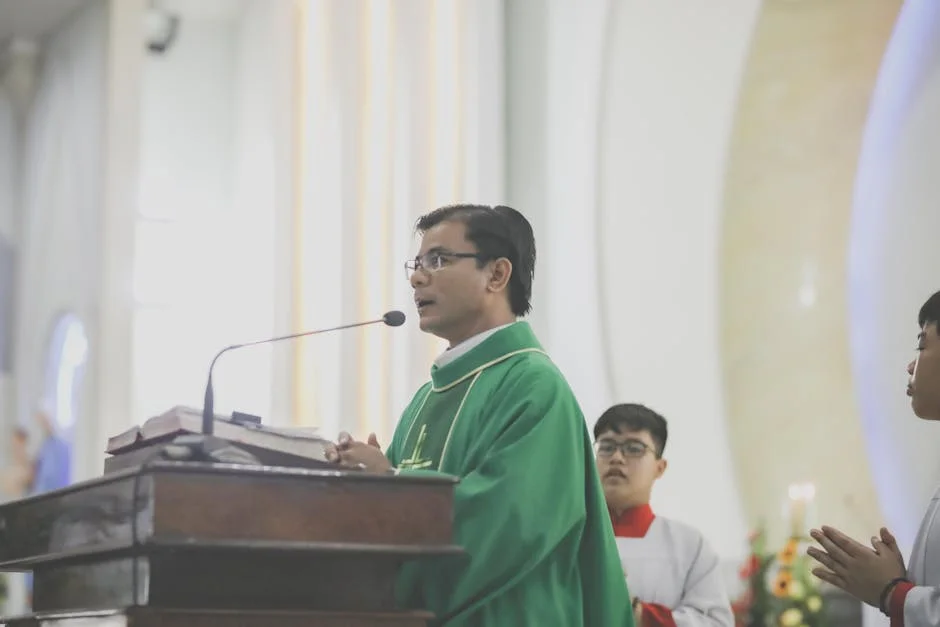
Nigerian clerics gathered on Wednesday to discuss growing tensions within the Anglican Church, raising concerns about a potential split that could reverberate across Africa. This meeting comes at a time when issues of governance and unity within the Church are increasingly relevant to the broader socio-political landscape in Nigeria and beyond.
Divisions Within the Anglican Church
The Anglican Church in Nigeria has found itself at a crossroads as clerics express differing views on various theological and social issues. The gathering on Wednesday included prominent bishops and church leaders who deliberated on the implications of these divisions. Central to the discussion was the Church's stance on LGBTQ+ rights, which has become a contentious issue affecting congregations worldwide.
Implications for African Development Goals
This potential schism within the Anglican Church is not merely a religious concern; it is deeply intertwined with the developmental goals of the continent. Faith-based organisations play a crucial role in addressing health, education, and governance issues across Africa. A divided Anglican Church could compromise its ability to mobilise resources and support for important initiatives.
The Role of Christianity in African Society


Christianity remains a significant force in African society, shaping cultural norms and influencing governance. In South Africa, for instance, the Christian community's response to social inequalities often reflects broader trends seen throughout the continent. The discussions among Nigerian clerics could provide insights into how religious institutions can either hinder or promote progress in addressing critical challenges such as poverty and health crises.
What Comes Next for the Anglican Community?
Observers are keenly watching how the Anglican Church's leadership will respond to the concerns raised during the meeting. The outcomes could either lead to a reaffirmation of unity or a formal split, which would have significant repercussions for the Church's influence in Africa. Key stakeholders in the region will need to navigate these developments carefully to ensure that the Church remains a constructive force for social change.
Global Christian Community on Alert
The discussions among Nigerian clerics have not gone unnoticed in the global Christian community. As religious leaders from various denominations express solidarity and concern, the potential ramifications of a split could lead to shifts in alliances and partnerships. This situation exemplifies the need for churches to remain focused on their mission while addressing contemporary issues that challenge their unity and purpose.
See Also
- Orange Launches 20,000-Kilometre Cable to Boost Nigeria-Europe Connectivity
- South Africa's Racing Results Spark Debate on GB Impact
In South Africa, for instance, the Christian community's response to social inequalities often reflects broader trends seen throughout the continent. The discussions among Nigerian clerics could provide insights into how religious institutions can either hinder or promote progress in addressing critical challenges such as poverty and health crises.What Comes Next for the Anglican Community?Observers are keenly watching how the Anglican Church's leadership will respond to the concerns raised during the meeting.