The death toll from a surprise attack in South Sudan has tragically risen to 178, a local official confirmed on Wednesday. The assault, which occurred in the Upper Nile region, has raised alarms over escalating violence in a country already wrestling with ongoing conflict and humanitarian crises.
Grim Statistics Highlight Ongoing Violence
The recent attack on civilians in South Sudan is one of the deadliest incidents in the region this year. According to local officials, armed groups stormed several villages, resulting in widespread panic and destruction. Reports indicate that many victims were women and children, further exacerbating the humanitarian situation.

As South Sudan grapples with its history of conflict, the death toll serves as a stark reminder of the fragile security situation. The United Nations has noted that violence continues to disrupt efforts for peace and stability, with millions displaced and in need of urgent assistance.
Humanitarian Crisis Worsens Amid Political Turmoil
The ongoing violence has not only resulted in loss of life but has also hindered humanitarian efforts. Medical facilities are overwhelmed with casualties, and there is a critical shortage of medical supplies. South Sudan's health infrastructure, already strained by years of conflict, struggles to cope with the increasing demands following such violent outbreaks.
As South Africa continues to monitor developments in South Sudan, local medical analysts warn that such crises can have ripple effects across the continent. Health professionals in South Africa are concerned about the potential for increased refugee flows and the strain on resources that could follow.
Regional Implications: How South Sudan Affects South Africa

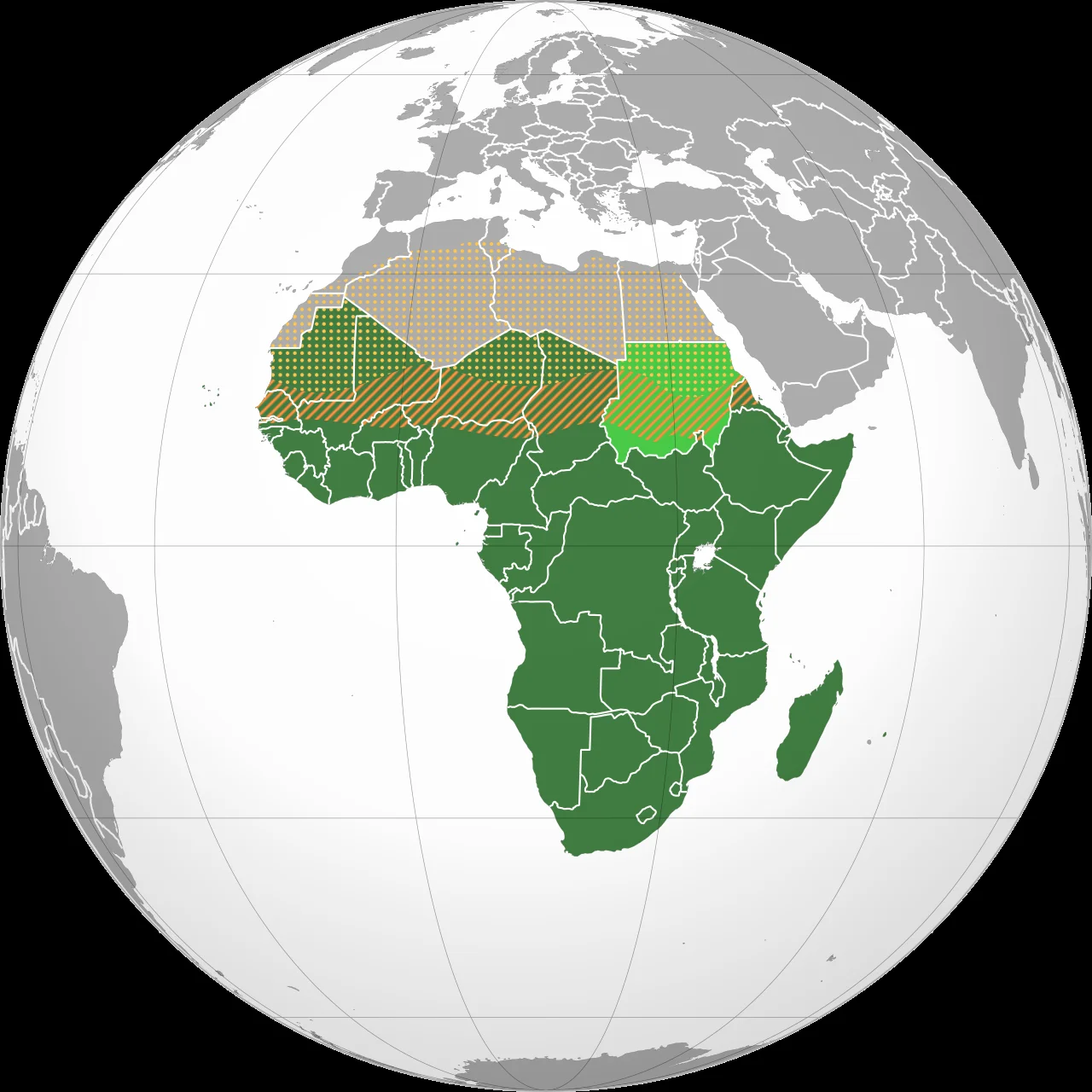
The instability in South Sudan poses challenges not just for its government but for the entire broader region, including South Africa. As a pivotal player in the African Union, South Africa's response to South Sudan's crises can shape regional policies on conflict resolution and humanitarian aid.
Moreover, the South African government has expressed its commitment to supporting peace initiatives in South Sudan. However, the continuing violence complicates these efforts, as resources become increasingly diverted to military responses rather than development needs.
Potential for Development and Governance Challenges
The recent attack has drawn renewed attention to the need for effective governance in South Sudan. Corruption, lack of infrastructure, and inadequate health services have plagued the nation since its independence in 2011. The potential for economic growth remains hindered by external factors, including ongoing conflicts and a lack of investment in infrastructure.
For the African Union and regional leaders, the current situation presents both a challenge and an opportunity. Efforts to establish stronger governance and enhance infrastructure development could pivot the trajectory of South Sudan towards a more stable, peaceful future.
Looking Ahead: What to Watch for Next
As the death toll continues to rise and humanitarian needs deepen, observers will be closely monitoring how the South Sudanese government responds to the crisis. Increased regional cooperation could be vital in addressing the underlying issues that fuel violence and instability.
Furthermore, the international community's involvement in both humanitarian and development efforts will be crucial in shaping the future of South Sudan. A renewed commitment to African development goals could pave the way for a sustainable recovery, transforming challenges into opportunities for growth.