Water infrastructure in South Africa is facing a crisis of monumental proportions, as aging pipes and inadequate maintenance threaten the nation’s supply of this vital resource. With over 40% of South Africa's water supply lost due to leaks and burst pipes, communities across the country are grappling with the dire consequences of a failing water system.
The State of Water Infrastructure
According to the Department of Water and Sanitation (DWS), approximately 60% of South Africa's water supply infrastructure is over 30 years old. In rural areas, the situation is exacerbated by the lack of investment, with some municipalities reporting water losses of up to 60%. Minister of Water and Sanitation, Senzo Mchunu, stated in a recent press conference, "We cannot afford to ignore the dire state of our water infrastructure any longer. We are actively seeking partnerships to rehabilitate and upgrade our systems to ensure our citizens have access to clean and reliable water."
Resource Allocation and Funding
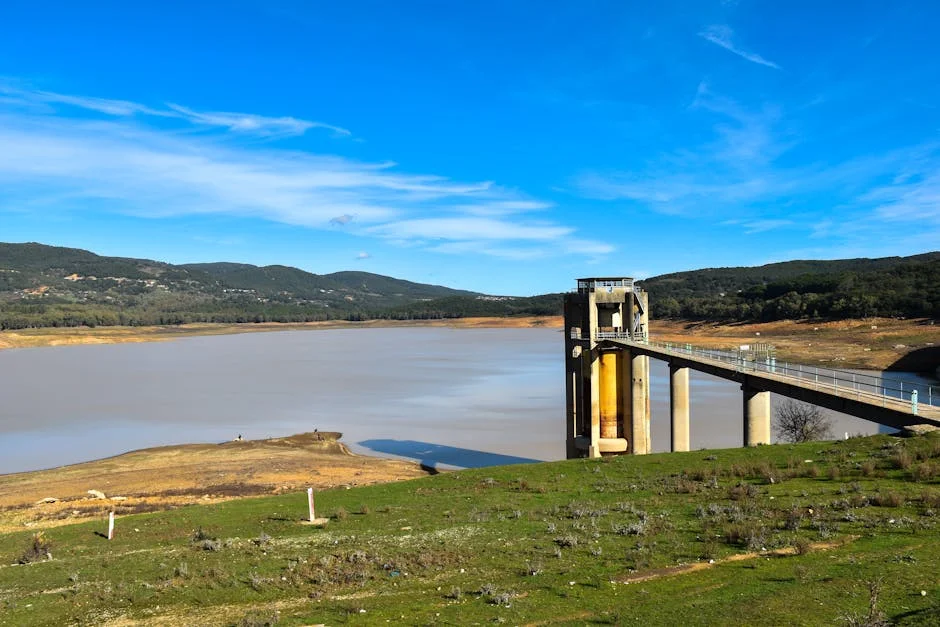
The South African government has earmarked R2 billion for infrastructure upgrades in the 2025 budget, with the hopes of addressing some of the most pressing issues. However, critics argue that this amount is insufficient compared to the estimated R60 billion required to fully rehabilitate the country’s water supply systems. Dr. Mavuso Msimang, former head of the DWS, emphasized, "Without significant investment and a clear maintenance strategy, we are merely patching up a broken system that will eventually fail us all."
Impact on Communities
The effects of failing water infrastructure are felt most acutely in low-income communities and peri-urban areas. According to the South African Human Rights Commission, an estimated 4.5 million South Africans still rely on unsafe water sources. Reports of waterborne diseases have surged as residents are forced to rely on contaminated streams and boreholes.
In Johannesburg, residents of Soweto have voiced their frustrations with frequent water outages and pipe bursts that leave neighborhoods without access to clean water for days. Local resident Thandi Mthembu shared, "We face the risk of disease every day. The government needs to act now before we lose more lives. Our children deserve better."
Innovative Solutions and Community Initiatives
In response to these challenges, various NGOs and community organizations are stepping up. The WATER Fund, a collaborative initiative between the private sector and non-profit organizations, has piloted a project in the Eastern Cape to repair leaks through community training programs. Participants are taught how to identify and fix leaks, empowering communities to take charge of their water supplies.
Furthermore, in a bid to maximize efficiency, the DWS is exploring advanced technologies such as smart water meters and leak detection systems that can drastically reduce water loss. Dr. Lindiwe Sisulu, Minister of Human Settlements, Water and Sanitation, remarked, "Technology will play a crucial role in revolutionizing the way we manage our water resources. We need to embrace innovation for the sake of our people and our planet."
Looking Ahead

The road ahead for South Africa's water infrastructure is fraught with challenges, but there is a palpable sense of urgency among officials, NGOs, and citizens alike. The ongoing drought in various regions only highlights the necessity for immediate action. According to the South African Weather Service, drought conditions are expected to persist in certain provinces, further straining water resources.
As South Africa approaches the 2026 water access targets set by the United Nations, the time for decisive action is now. With increased funding, innovative solutions, and community involvement, South Africa can reverse the tide of water pipe failures and ensure that every citizen has access to this fundamental human right.