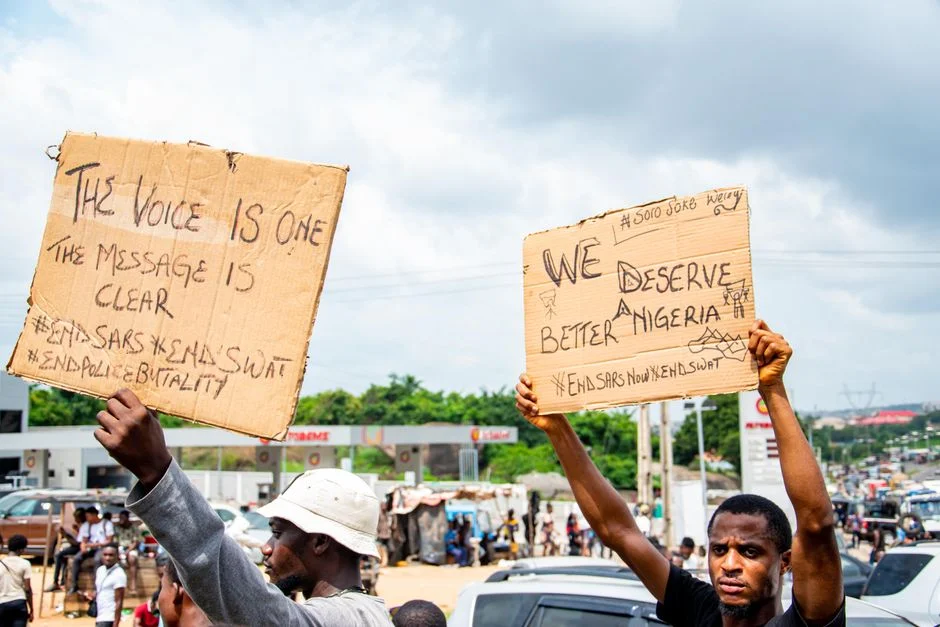
Former Vice President Atiku Abubakar has declared that President Bola Tinubu cannot win a free and fair election in 2027, raising concerns about Nigeria’s democratic processes and potential economic consequences. The statement comes as political tensions rise ahead of the next general election, with implications for business confidence and investor sentiment across the continent.
Political Outlook and Electoral Concerns
Atiku, who ran against Tinubu in the 2023 presidential election, claimed that the ruling All Progressives Congress (APC) has entrenched control over electoral institutions, making a fair contest unlikely. “The system is rigged,” he said in a recent interview, warning that the 2027 election could face widespread international scrutiny and potential sanctions. This assertion has sparked debate among political analysts and raised red flags for investors wary of instability.
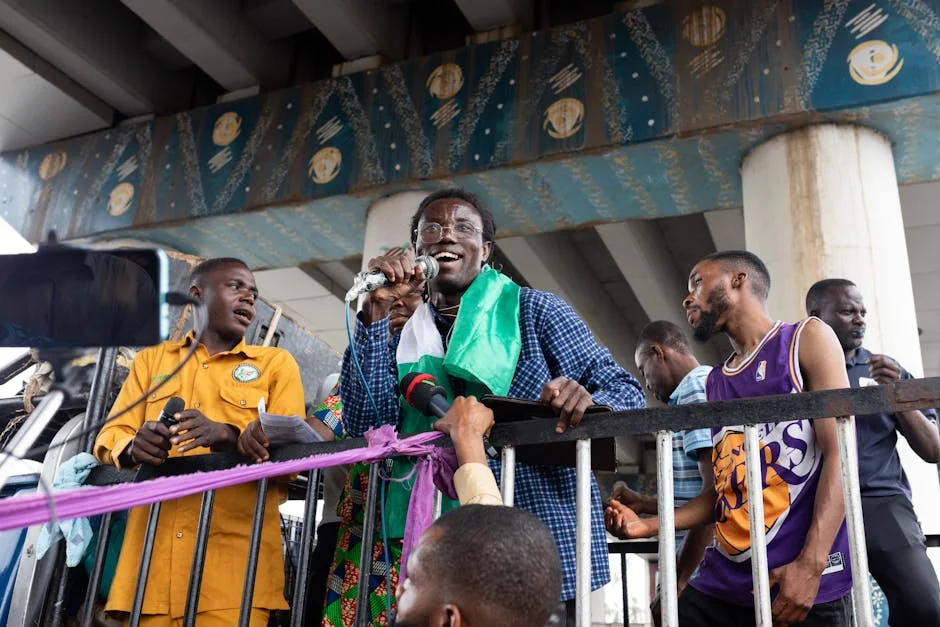
The Nigerian National Electoral Commission (INEC) has faced repeated allegations of bias and inefficiency, including delays in voter registration and inconsistent polling processes. In 2023, the commission reported a voter turnout of 45%, but critics argue that the figures are inflated. A 2024 report by the African Union’s Electoral Observation Mission noted “serious irregularities” in the conduct of the election, further fueling concerns over the legitimacy of future polls.
Market Reactions and Investor Sentiment
Investor confidence in Nigeria has already been under pressure due to inflation, currency depreciation, and energy shortages. The prospect of a contested election in 2027 could exacerbate these issues. According to a 2024 report by the African Development Bank, political instability has been linked to a 2.3% annual decline in foreign direct investment (FDI) in the region. If the 2027 election is perceived as unfair, foreign investors may further reduce their exposure to the Nigerian market.
Stock market indices, such as the Nigerian Stock Exchange (NSE) All-Share Index, have shown volatility in recent months. In March 2024, the index closed at 58,241 points, down 12% from its 2023 peak. Analysts suggest that if the political climate worsens, the NSE could face further declines, especially if foreign investors pull out capital in anticipation of economic uncertainty.
Business Implications and Economic Stability

Businesses operating in Nigeria are closely watching the political landscape. Multinational corporations, including those in the energy and telecommunications sectors, have expressed concerns about the long-term stability of the country’s governance. A 2024 survey by the Nigerian Institute of Management found that 68% of business leaders believe political instability is the biggest threat to economic growth.
Local companies are also affected. The Nigerian Bureau of Statistics reported that GDP growth slowed to 2.1% in 2023, down from 3.5% in 2022. A prolonged period of political uncertainty could lead to reduced consumer spending, supply chain disruptions, and a slowdown in private sector investment. The manufacturing sector, which accounts for 12% of GDP, has already seen a 5% contraction in output over the past year.
Regional Impact on South Africa
Nigeria’s political instability could have ripple effects on South Africa, which is a key economic partner. The Southern African Development Community (SADC) has expressed concern over the potential for regional instability, with South African President Cyril Ramaphosa calling for dialogue to ensure peaceful transitions of power.
South African businesses with operations in Nigeria, particularly in the financial and logistics sectors, are preparing for potential disruptions. The South African Reserve Bank has warned that a prolonged crisis in Nigeria could lead to capital flight and affect trade balances. A 2024 report by the South African Institute of International Affairs noted that Nigeria accounts for 24% of SADC’s GDP, making its stability critical for the region.
Investment Perspective and Next Steps
Investors are advised to monitor the political developments closely. The International Monetary Fund (IMF) has warned that Nigeria’s economic recovery depends on strengthening democratic institutions and ensuring transparency in governance. “A stable political environment is essential for long-term investment,” said IMF representative Adeyemi Adeyinka in a recent statement.
Businesses are also urged to diversify their operations and consider alternative markets. The African Development Bank has recommended that investors explore opportunities in countries with stronger governance frameworks, such as Kenya and Ghana, which have shown more consistent economic growth.
What to Watch Next
The 2027 election is just over three years away, but the political landscape in Nigeria is already shifting. Key developments to watch include the formation of new political alliances, the role of civil society in advocating for electoral reforms, and the response from international bodies like the African Union. Investors and businesses should remain vigilant, as any signs of instability could quickly translate into market volatility and economic uncertainty.
See Also
- Sudan Crisis Sparks £1.2bn Pledge in Berlin Donor Summit
- Senegal Opposition Slams Macky Sall's UN Candidacy — What It Means for Africa