A rare Ebola outbreak has been spreading across parts of East Africa for several months, triggering fresh concern among health authorities and market analysts alike. The outbreak, which has drawn renewed attention to the continent's vulnerability to infectious disease, is now influencing trade patterns, investor confidence, and regional economic activity in ways that extend far beyond the immediate health crisis.
Health Authorities Mobilise as Outbreak Spreads
Regional health ministries have activated emergency response protocols, working alongside the World Health Organisation to contain transmission. Contact tracing efforts are underway in the worst-affected districts, where healthcare infrastructure is already stretched thin. The outbreak represents one of the more significant resurgence events in recent years, following a period of relative quiet after the devastating West Africa epidemic of 2014-2016.
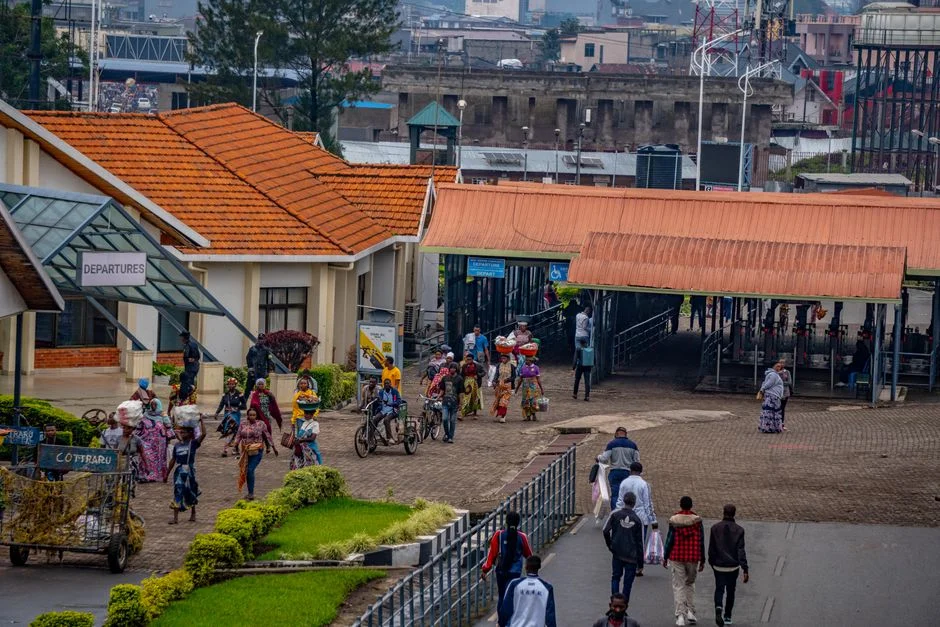
Border crossings have become focal points for screening measures, with thermal imaging and rapid testing now standard practice at key transit hubs. Aviation data indicates that passenger volumes on regional routes have fallen by a noticeable margin since reports of the outbreak intensified. Airlines operating in the region have not yet cut schedules, but industry observers say that could change rapidly if case numbers climb further.
Trade Routes Feel the Strain
East Africa's corridors of commerce are already showing signs of friction. Trucking firms report delays at checkpoints where additional screening protocols have been introduced. The effect on delivery times, while not catastrophic, compounds existing logistical pressures from infrastructure constraints and fuel cost fluctuations. Commodities that rely on timely transit — perishable goods, pharmaceuticals, and components for manufacturing — face the earliest disruption risk.
The African Development Bank has previously noted that disease outbreaks can shave between 0.5 and 1.5 percentage points from GDP growth in affected nations, depending on the scale and duration. For economies in the region that are still recovering from global inflationary pressures and currency weakness, that prospect carries significant weight. Investors with exposure to East African markets are calculating whether the current outbreak follows a contained pattern or signals a more protracted crisis.
Tourism and Hospitality Reel Again


The tourism sector, a critical foreign currency earner for several East African nations, faces immediate reputational damage. Travel advisories from major source markets tend to escalate quickly when Ebola headlines circulate, even if the affected areas are geographically distant from popular safari destinations or coastal resorts. Booking data from regional hotel groups suggests a softening in advance reservations, though the full picture will not emerge until end-of-quarter reporting.
Kenya, Uganda, and Tanzania all depend heavily on tourism revenues to service external debt and support local employment. A prolonged outbreak could force governments to choose between tightening travel restrictions — protecting public health but strangling the economy — or maintaining openness at potential epidemiological cost. That balance is proving difficult to strike in real time.
Supply Chain Ripples Reach Distant Markets
Beyond the immediate region, multinational companies with East African supply chains are monitoring the situation closely. Tea and coffee producers in highland areas, though largely removed from current outbreak zones, depend on export logistics that pass through affected corridors. Any sustained interruption to transport networks would eventually register in global commodity prices, creating downstream effects for consumers in Europe and Asia who rarely think about the origins of their morning cup.
Pharmaceutical firms with manufacturing presence in the region have tightened worker safety protocols. The Africa CDC has urged caution but stopped short of recommending mass evacuation of non-essential personnel, a move that would signal maximum alarm and accelerate market disruption.
Investors Weigh Risk Against Opportunity
Portfolio managers with emerging market mandates are reassessing East African bond yields. Higher perceived risk typically pushes required returns upward, widening spreads and making new issuance more expensive for governments that need to borrow. Several sovereigns in the region have external financing requirements coming due in the next twelve months, and market access will depend partly on how quickly the outbreak is contained.
Currency markets have shown muted reaction so far, but traders note that this reflects uncertainty rather than confidence. Once the trajectory of the outbreak becomes clearer — either improving or deteriorating sharply — exchange rates will likely adjust accordingly. The Kenyan shilling and Ugandan shilling have been relatively stable in recent weeks, but historical precedent suggests that a significant worsening of the health situation would trigger capital outflows.
What Comes Next
Health officials expect the next several weeks to be decisive. Contact tracing data from the coming fortnight will indicate whether transmission chains are being broken or whether the outbreak is spreading into new geographic areas. A successful containment effort would limit economic damage to a short-term disruption. Failure to curb transmission could force neighbouring countries into more aggressive measures, with compounding effects on regional trade and investment flows.
Donor nations and multilateral lenders are watching as well. The IMF has historically provided emergency financing to member countries facing public health crises, but disbursements typically require stabilisation programmes that can constrain fiscal flexibility. Whether affected governments accept those conditions will shape both the health response and the economic recovery trajectory.
See Also
- South African Breweries Unveils Health Benefits of Beer — What This Means for Investors
- Delhi Airport Halts Africa Summit Over Ebola Scare