Jean-Pierre Lacroix, the United Nations peacekeeping chief, told the Security Council on Tuesday that peace cannot survive without the structures to defend it. His remarks came as UN missions across Africa face mounting pressure from armed groups that have exploited gaps in international responses.
The Core Warning From the UN's Top Peacekeeper
Lacroix told diplomats in New York that UN peacekeepers were not designed to replace national armies or coalition forces. When political settlements collapse and no credible deterrent exists, violence returns, his office confirmed in a statement released after the session.
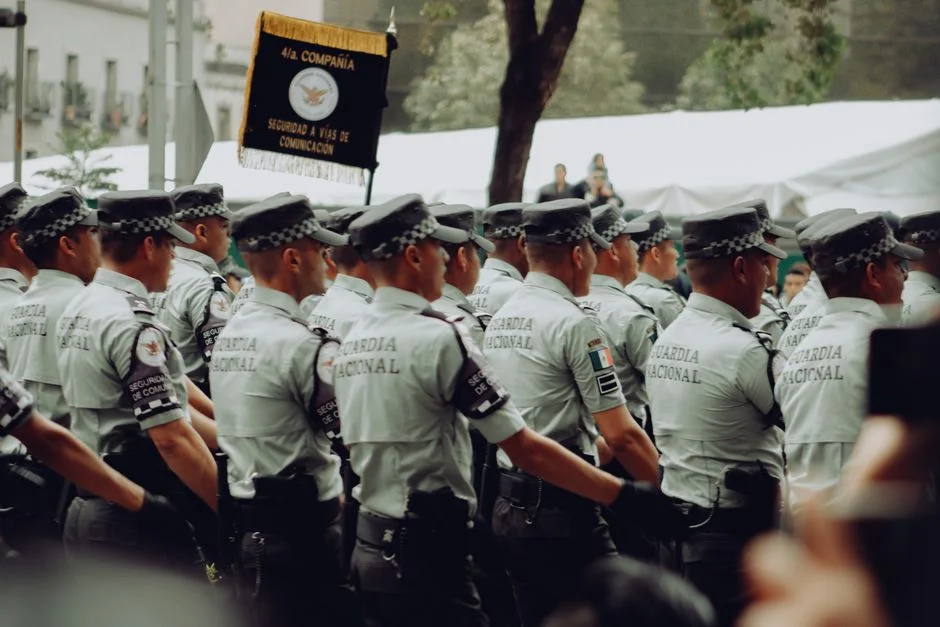
The UN currently deploys more than 80,000 personnel across 12 active missions, with operations in the Democratic Republic of Congo, the Central African Republic, and Mali absorbing the largest share of resources. Lacroix noted that funding for these missions has remained flat for three consecutive years while threats have intensified.
"Peacekeepers hold the line, but they do not win wars," Lacroix said during the briefing. "Sustained peace requires partners who can project force where we cannot."
Regional Instability and the Investment calculus
The implications extend far beyond diplomatic corridors. For multinational companies with operations in Sahel and Central African states, the UN's frank assessment signals elevated risk. Insurance premiums for assets in conflict zones have climbed 18 percent over the past 24 months, according to data compiled by the International Institute for Strategic Studies.
Regional trade corridors that rely on stability face disruptions when peacekeeping mandates lack enforcement teeth. The Central African Republic, where the UN mission MINUSCA operates with roughly 13,000 troops, has seen mining investments stall as armed factions control access roads to diamond and gold extraction zones.
Foreign direct investment into post-conflict African nations dropped by $4.1 billion in 2023 compared to the previous year, the World Bank reported. Analysts point to weak enforcement of peace agreements as a primary driver of investor reluctance.
Funding Pressures and the Limits of UN Budget
The UN peacekeeping budget stands at roughly $6.5 billion annually, a figure that has not kept pace with inflation or the expanding scope of missions. Member states, particularly those in the G20, have pushed for cost reductions while demanding stronger outcomes on the ground.
Lacroix did not specify figures during his public remarks, but UN documents show that several missions have reduced patrol frequencies due to vehicle shortages and fuel rationing. The gap between mandate expectations and operational capacity has widened to what internal reviews describe as "structurally unsustainable."
Several European contributors have announced partial troop withdrawals from Mali and the Central African Republic over the next 18 months, citing force protection concerns and shifting strategic priorities at home. Those departures will leave UN missions even more dependent on underfunded African standby arrangements.
What This Means for African Peace Architecture
African Union peace support operations have filled some of the vacuum, but they operate with significantly smaller budgets and fewer logistics guarantees. The AU mission in Somalia, ATMIS, relies on a patchwork of funding from the UN, the EU, and bilateral donors. Any disruption to those streams creates immediate operational gaps.
For South African defence firms and security contractors, the UN chief's warning opens a commercial question: can private sector capabilities plug gaps that peacekeeping budgets cannot? Companies offering aerial surveillance, intelligence analysis, and protected convoy services have seen demand grow in markets where UN presence has become insufficient.
The Johannesburg Stock Exchange has listed several companies with African peacekeeping exposure. Their share prices have shown sensitivity to Security Council vote outcomes, particularly when mandate renewals face delays or amendments.
The Political Economy of Peace Enforcement
Security Council members remain divided on expanding force authorisations. China and Russia have consistently blocked proposals for more robust peacekeeping mandates, preferring consent-based approaches that critics say leave missions toothless when host governments lose control of territory.
The United States, while a major financial contributor, has pushed for mission exits rather than reinforcements in several African theatres. That position has created friction with regional powers who argue that premature withdrawals destabilise already-fragile transitions.
South Africa, which contributes military engineers and police units to UN missions, faces domestic pressure to prioritise national defence spending over overseas deployments. The Department of Defence has signalled a review of participation levels pending budget allocations in the February parliamentary session.
What Comes Next
Lacroix is expected to present a formal recommendations paper to the Security Council by November, outlining options for bridging the gap between peacekeeping mandates and enforcement capabilities. The document will likely propose expanded agreements with regional coalitions and faster approval processes for air support and intelligence sharing.
Member states will face a decision on whether to increase assessed contributions, authorise more permissive rules of engagement, or accept that current missions cannot prevent the kind of renewed violence that Lacroix described as inevitable when peace is left undefended.
See Also
- Ethiopia's Tigray Rebels Warn of Imminent Conflict as Government Intensifies Military Moves
- Bello Matawalle Faces Backlash Over Wedding Guest List Amid Violence in Nigeria — What It Reveals