The free-roaming cheetah population in South Africa has fallen to critically low levels, prompting wildlife authorities and conservation groups to call for urgent intervention. Scientists estimate fewer than 2,000 cheetahs now survive outside formal reserves, down from populations that once roamed freely across the country's savannah plains. Without swift action, economists warn the decline could deal a serious blow to South Africa's wildlife tourism sector, which generates billions annually and supports hundreds of thousands of jobs in rural communities.
Numbers Point to Crisis
Research published by the Endangered Wildlife Trust reveals wild cheetah numbers have dropped roughly 40% over the past two decades. The species now occupies less than 23% of its historical range within South Africa. Confined largely to private game reserves and national parks, these populations face mounting pressure from habitat loss, human-wildlife conflict, and genetic isolation. Conservationists at the Cheetah Conservation Fund describe the situation as a slow-motion extinction event, one that is happening largely out of public view.
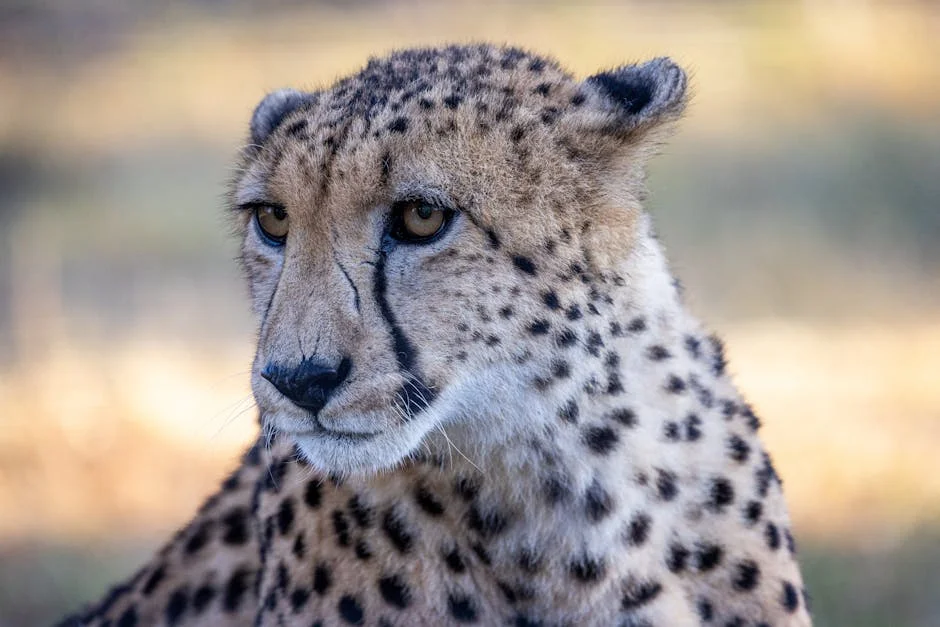
The animals require vast territories to hunt and breed successfully. Private landowners increasingly convert wild spaces into agricultural plots or fence their properties, blocking the corridors cheetahs need to move between regions. When cheetahs wander onto farmlands, they often fall victim to retaliatory killings by livestock owners. South Africa's Department of Forestry, Fisheries and the Environment has acknowledged the problem but critics say official responses remain underfunded and poorly coordinated.
Tourism Revenue at Risk
South Africa's nature reserves and wildlife experiences draw millions of foreign visitors each year. The tourism industry contributed approximately 134 billion rand to the country's gross domestic product in recent years, with wildlife-based attractions forming a substantial portion of that figure. Tour operators in Limpopo and Mpumalanga, provinces known for big-cat sightings, say cheetah encounters rank among their most sought-after experiences.
If free-roaming cheetahs disappear entirely from accessible landscapes, tour operators warn the knock-on effects could ripple through entire regional economies. Small lodges, guiding companies, and transport services all depend on the promise of authentic wildlife sightings. A sustained decline in cheetah numbers risks shifting tourist interest to competing destinations such as Kenya, Tanzania, or Namibia, where cheetah populations remain more stable.
Business and Investment Implications

Investors in South Africa's conservation-linked enterprises face fresh uncertainty. Several eco-lodges and wildlife photography concessions have already cited declining animal sightings as a factor affecting bookings and occupancy rates. Bond issuers tied to tourism infrastructure could feel pressure if visitor numbers slide. Agricultural businesses, meanwhile, occupy a complicated position: many farm owners view cheetahs as a direct threat to livestock, yet conservation easements on their land often come with tax incentives and eco-certification benefits.
The private wildlife ranching sector, which supplies game for hunting and breeding programmes, has seen mixed fortunes. Some operators have invested in cheetah-friendly fencing and corridor restoration projects, betting that biodiversity enhances property values and attracts premium tourism. Others have reduced conservation commitments as operating costs climbed and returns tightened. The divergence raises questions about whether market-based incentives alone can reverse the population decline.
Funding Gaps and International Pressure
Conservation groups argue that South Africa needs a dedicated cheetah corridor programme, backed by public and private capital. The estimate for establishing viable movement corridors between key reserves runs into hundreds of millions of rand. Currently, funding comes from a patchwork of NGO grants, international foundations, and limited government allocations. Without a coordinated financing strategy, efforts to reconnect fragmented cheetah populations will remain piecemeal.
International conservation bodies have taken notice. The Convention on International Trade in Endangered Species has previously reviewed South Africa's policies on captive big-cat exports, with some member nations pushing for stricter oversight. If South Africa fails to demonstrate meaningful progress on wild cheetah protection, it risks facing trade restrictions that could affect its broader wildlife economy. Eco-certification bodies, which greenlight South African operators for environmentally conscious travellers, may also downgrade their assessments.
What Comes Next
The South African government is expected to release a revised biodiversity strategy later this year, which officials say will address habitat connectivity and human-wildlife conflict. Conservationists are pushing for the plan to include binding targets for cheetah corridor restoration and increased penalties for farmers who kill cheetahs outside lawful circumstances. Whether that strategy translates into boots on the ground, however, depends heavily on budget allocations that have yet to be secured.
Private sector involvement may prove decisive. Several mining companies with rehabilitation obligations in Limpopo have expressed interest in funding corridor restoration as part of their social labour plans. If those negotiations succeed, they could unlock significant conservation land in one of the most critical cheetah strongholds. Tourism operators, for their part, are watching closely: a thriving cheetah population remains one of South Africa's most marketable assets, and its survival increasingly depends on decisions being made in boardrooms as much as in wildlife reserves.
See Also
- Joburg Residents Slam Sky-High Bills After City Power Billing Changes - The Full Story
- Durban Flood Housing Delays Hit Construction, Real Estate Markets