A spider native to South Africa's rocky outcrops has become a prized target for international exotic pet traders, despite having almost no recognition among the general public. The blue-footed baboon spider, whose vivid coloration has made it a collector's obsession, faces mounting pressure from an illegal trade that has grown substantially over the past decade.
The Spider That Commands High Prices
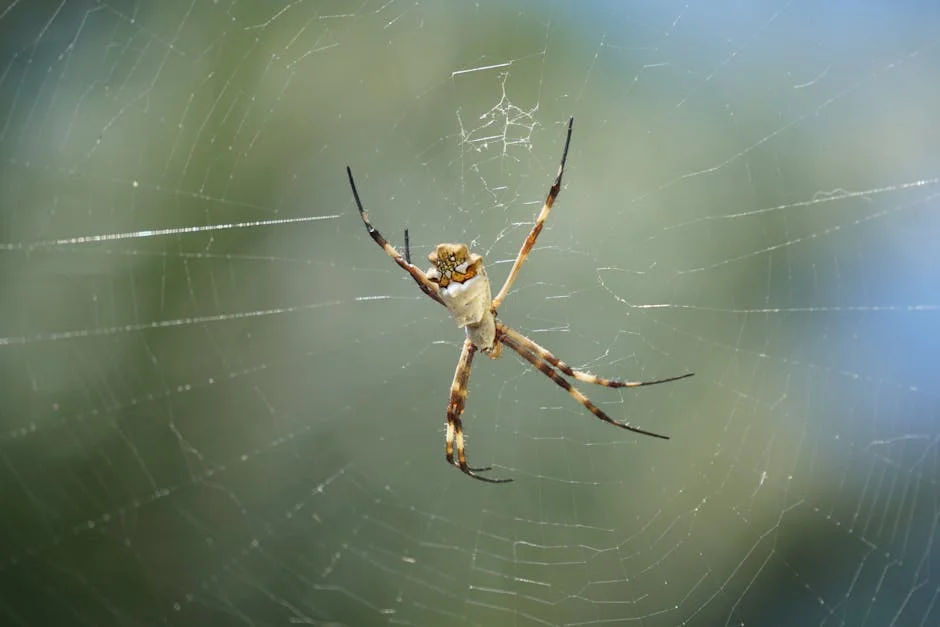
The blue-footed baboon spider takes its name from the distinctive blue colouring on its legs, a trait that has made it one of the most sought-after tarantula species in the global exotic pet trade. Unlike more well-known spiders, this creature has remained largely under the radar of mainstream conservation attention, which has only made it easier for traders to operate with limited scrutiny.
Industry insiders suggest that individual specimens can fetch prices running into hundreds of dollars on online marketplaces, where sellers operate behind shell accounts and use coded language to avoid detection. The combination of rarity and visual appeal creates a market where demand consistently outstrips supply.
Where the Trade Operates
The spider's natural habitat stretches across the rocky hills and arid scrublands of South Africa's Northern Cape province, an area where sparse human populations mean that illegal collection often goes unnoticed. Poachers typically venture into these remote zones at night, when the spiders are most active above ground.
From these collection points, specimens move through a network that local conservation groups describe as deliberately opaque. The spiders are often shipped through neighbouring countries before reaching final buyers in Europe, North America, and parts of Asia, where collector communities maintain active trading forums.
Why the Species Is Vulnerable


Biologists who study South Africa's arachnid fauna have raised concerns that the blue-footed baboon spider reproduces slowly, with females producing limited numbers of eggs per clutch. This reproductive biology means that populations cannot quickly bounce back once collection pressure intensifies.
The species also occupies a specific ecological niche in the rocky habitats it calls home. Disturbance to these environments, whether from legal activity or illegal collection, can have disproportionate effects on local populations that have adapted to very particular conditions over thousands of years.
The Economic Logic Driving the Trade
The exotic pet market operates on basic economic principles: scarcity drives value, and rarity commands premium pricing. For collectors willing to pay substantial sums for unusual species, the blue-footed baboon spider checks every box. Its striking appearance, combined with limited availability, has created a price trajectory that continues to attract new entrants to the trade.
Researchers who track online trading activity have documented sustained interest in the species across multiple platforms. Some listings explicitly reference South African origin as a selling point, signalling to potential buyers that they are purchasing a genuine wild-caught specimen rather than a captive-bred alternative.
What Authorities Are Doing
South Africa's nature conservation authorities operate under the framework of the National Environmental Management Biodiversity Act, which regulates the trade in indigenous species. The blue-footed baboon spider falls under protections that require permits for any commercial activity involving the species.
Enforcement, however, remains challenging. The remote nature of the spider's habitat makes regular patrols difficult, and the covert methods used by traders complicate efforts to build cases against those operating at scale. Conservation groups have called for increased resources dedicated to monitoring online platforms where illegal sales appear to take place.
Conservationists Push for Greater Awareness
Advocacy organisations working on wildlife trade issues argue that the blue-footed baboon spider's low public profile is itself a problem. Species that attract significant media attention often receive indirect protection as public opinion shifts against collectors. The spider, by contrast, has remained obscure enough that most South Africans are unaware of its existence, let alone the threats it faces.
Some conservation groups have begun outreach efforts aimed at raising the species' profile, producing educational materials that highlight both its unique characteristics and the economic forces driving its decline. The goal is to build enough public awareness that illegal collection becomes socially unacceptable in the same way that trade in more famous species has become stigmatised.
Captive Breeding as a Potential Solution
A small number of breeders have attempted to establish captive breeding programmes for the blue-footed baboon spider, with the aim of producing specimens that could satisfy collector demand without putting further pressure on wild populations. Early results have been mixed, as the species has proven difficult to breed reliably in captivity.
If breeding programmes can be refined and scaled, they might eventually reduce the economic incentive for illegal collection. The challenge lies in convincing enough collectors to shift their purchasing habits toward captive-bred alternatives, a transition that has proven difficult across multiple species targeted by the exotic pet trade.
What Comes Next
Conservation groups are planning to present their findings on the trade to environmental officials in the coming months, pushing for stronger enforcement mechanisms and greater international cooperation. The Convention on International Trade in Endangered Species of Wild Fauna and Flora provides a framework for cross-border action, though bringing the blue-footed baboon spider under additional protections would require a formal proposal process.
Watch for developments in online trading activity over the next quarter, particularly whether any coordinated enforcement actions emerge against sellers operating in South Africa or neighbouring countries. The trajectory of the trade in the near term will likely determine whether wild populations of this striking spider can stabilise or continue their decline.
See Also
- Carrick Signals Rashford Return as Manchester United Shares Surge
- South Africa Blitzboks Clinch Hong Kong Win as Kenya Falls Short